
Gut health is one of the most influential aspects of overall wellness, and recent scientific studies have found that it has implications much more than digestion. The human gut is home to trillions of microorganisms collectively known as the gut microbiome: good bacteria, fungi, and other microbes that break down food, absorb nutrients, support the immune system, and even influence mental health. A healthy gut microbiome means it has better digestion and immunity, better energy levels, and a lower risk of many chronic diseases, so gut health is the cornerstone of a healthy life.
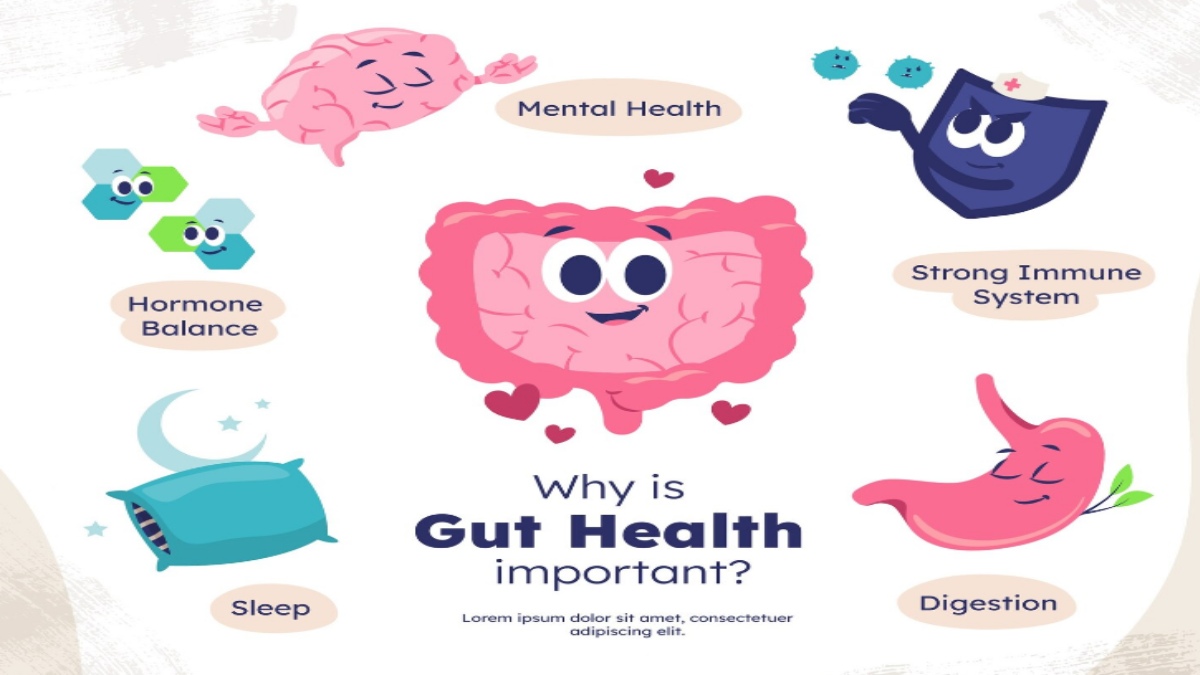
The digestive system starts working when food enters the mouth and continues through the stomach, small intestine, and large intestine. Beneficial bacteria feed on some food, produce essential vitamins (such as vitamin K and B vitamins), and protect us from harmful microorganisms. If the balance between good and bad bacteria is not maintained, we might have gut dysbiosis. That imbalance can lead to digestive problems and can be reflected in other ways of health.
Bad gut health can manifest in several ways. Excess bloating, constipation, diarrhoea, frequent gas, indigestion, stomach discomfort, and irregular bowel movements are among the most common symptoms. Fatigue, weight loss or skin disorders, chronic infections, food intolerance, or difficulty focusing can also be seen to be frequent. These symptoms are often symptoms, but the chronic digestive problems are to be assessed by a healthcare professional.
Related Articles


Diet is critical to maintaining a healthy gut. Eating a wide variety of fruits, vegetables, whole grains, legumes, nuts, and seeds is food for good gut bacteria. Fibre is essential for regular bowel movements and for the development of microbes associated with better digestive health. For fermentation (e.g. yogurt or kefir, kimchi, sauerkraut, and some traditional fermented foods), it also acts as a source of a diverse microbiome by feeding good bacteria to the digestive system.
Other important components of digestive health are hydration, and hydration is important for digestive health. Consistently drinking enough water during the day is good for digestion, softening stools, and regular bowel movements. Proper hydration also improves gut health and also makes the intestines more protected (the protective lining of the gut), which is important for gut function and is responsible for it.
Gut health is also influenced by lifestyle habits. Constant stress can affect gut health and in turn affect gut bacteria balance. Regular physical activity is associated with greater microbial diversity, and sleep is associated with a healthy digestive system and immune function. It is good for your gut health to have good stress management: stress relief, meditation, yoga, deep breathing exercises, and outdoor time, meditation and meditation to be done in nature can all have an impact and a better gut health.
Related Articles


Some diets can adversely affect the gut microbiome. Excessive consumption of highly processed foods, sugary beverages, refined carbohydrates, and unhealthy fats can lower microbial diversity in the gut over time. Frequent drinking of alcohol and unnecessary antibiotic use may also disrupt the balance of good bacteria. Antibiotics should only be taken when prescribed by a healthcare professional, as harmful and beneficial bacteria can be eliminated.
Researchers are still exploring the connection between the gut and the brain, or gut-brain axis. Complex neural networks, hormones, and immune systems are involved. According to new research, the gut microbiome should be maintained to help mood and stress management and mental health. This link is still young, and there is potential for digestive health to be more important than only the gastrointestinal system.
The immune system is also very closely connected to gut health. The majority of the immune cells of the body are located in the digestive system, and bacteria help the immune system to respond to harmful pathogens in a healthy way while still being able to tolerate beneficial ones. So gut health may be an important component in maintaining normal immune function.
Prebiotics and probiotics are gaining popularity as dietary supplements, yet they are best attained from a balanced diet. Prebiotics are fibre-based substances that provide nutritional support to beneficial bacteria, and probiotics are live microorganisms with health benefits under certain conditions. They are health-related supplements and should be considered in a professional manner.
There are no complicated routines to maintain gut health, and eating healthy, fibre-rich food, drinking enough water, getting adequate sleep, managing stress, and avoiding processed food and drink can significantly contribute to a healthier digestive system. The long-term outcome of small, regular lifestyle changes is often a lot better.
When we’re learning so much about the gut microbiome, how digestive health is affecting practically all aspects of life, we’re getting to see that we would really need to eat something healthy if we are going to be able to develop better digestion. People who eat more healthy food and live a healthy lifestyle will not only get good digestion, but they will also become healthier overall, have better metabolic health, well-being, and long-term health. A healthy gut is essential for life.


Comments 0