
The arrival of the monsoon is relief from hot summer weather, replenishes water sources, and transforms landscapes into lush green havens. But during the monsoon, it also marks the beginning of mosquito season. Just a couple of days after a heavy rain shower in the evening, mosquito populations seem to swell overnight, making nights uncomfortable, and mosquito-borne diseases are spread to everyone as mosquitoes come out in the evening.
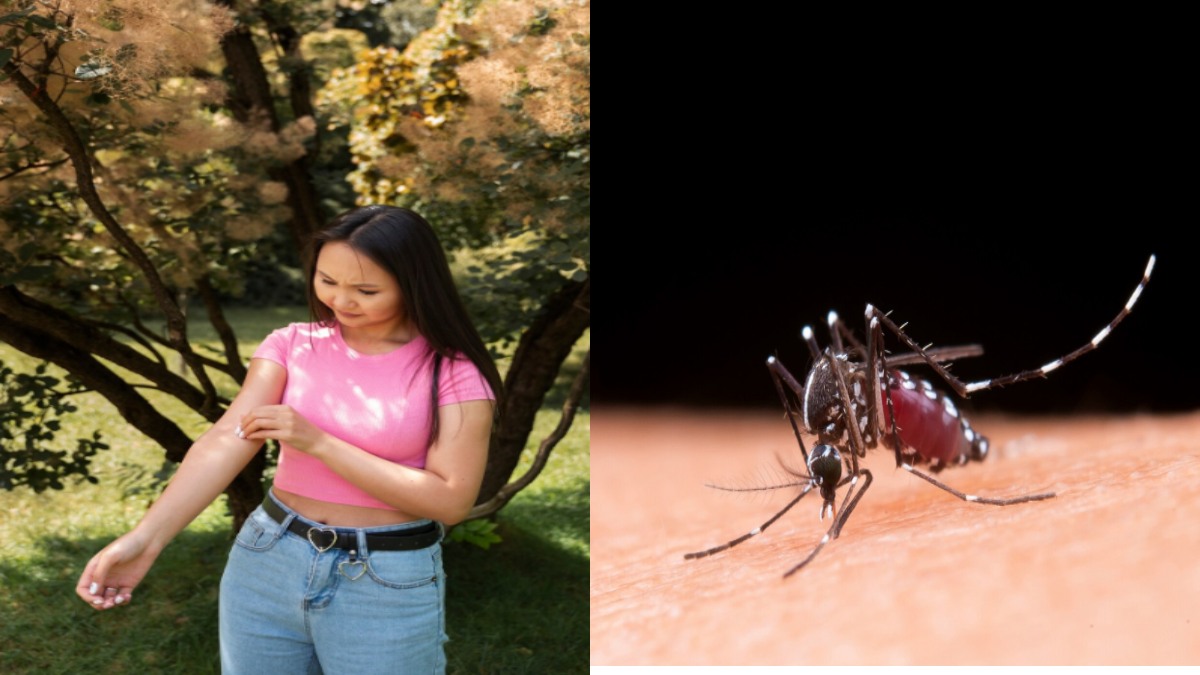
Why are mosquitoes so abundant in the rainy season? The reason behind this is stagnant water, warm temperatures, and high humidity, so the mosquitoes are able to breed and thrive.
Why do mosquitoes multiply after rain
Rainfall alone doesn’t make mosquitoes, but rather it provides the perfect conditions for their life cycle that they need to live in during rainfall.
Related Articles


Female mosquitoes lay eggs in or near standing water. Puddles, clogged drains, flower pots, discarded containers, tyres, birdbaths, construction sites, and rooftop tanks can collect water, creating countless breeding sites. Some mosquito species can complete their life cycle (from egg to adult) in as little as a week under favorable conditions.
The warm temperatures and humid air also accelerate mosquito development and encourage mosquito breeding, making the monsoon a good breeding season.
What is the mosquito life cycle
Mosquitoes go through four stages:
Related Articles


- Egg
- Larva
- Pupa
- Adult mosquito
The egg, larval, and pupal stages take place in water. When an adult mosquito emerges, it starts looking for food and mates. Female mosquitoes need a blood meal in order to lay eggs, which is why they bite humans and animals.
Because the aquatic stages are so short, even small amounts of standing water left undisturbed for several days can produce a new generation of mosquitoes.
Why does humidity make mosquitoes more active
Humidity is very important for mosquito survival. Higher humidity prevents mosquitoes from drying out, allowing them to live longer and stay active for extended periods.
Rainy evenings are generally cooler and more humid, and mosquitoes seek blood meals during dawn, dusk, and sometimes throughout the night, depending on the species.
Common mosquito-borne diseases during monsoon
Mosquitoes are not just a nuisance but can cause diseases that are serious public health problems.
Some of the most common mosquito-borne diseases include:
- Dengue: Spread by Aedes mosquitoes that breed in clean, stagnant water and are active during the day
- Malaria: Spread by Anopheles mosquitoes, which are usually active from dusk to dawn
- Chikungunya: Spread by Aedes mosquitoes and causes fever and severe joint pain
- Japanese Encephalitis: Culex mosquitoes can spread this viral infection
The symptoms of high fever, severe headache, rash, continued vomiting, bleeding, difficulty breathing, confusion, or severe body aches should prompt immediate medical evaluation. Early diagnosis and treatment are crucial.
Where mosquitoes commonly breed
Many mosquito breeding sites are surprisingly small and easy to overlook. Common places include:
- Flower pot trays
- Buckets and tubs
- Discarded tyres
- Coconut shells
- Plastic bottles and cans
- Roof gutters
- Open water storage tanks
- Coolers
- Construction sites
- Pet water bowls left unchanged
Even a bottle cap filled with water can support mosquito breeding for certain species.
How do you reduce mosquito breeding
Preventing mosquitoes starts with eliminating standing water.
Simple preventive measures include:
- Empty and scrub water containers every week
- Cover water storage tanks tightly
- Clean roof gutters and drains regularly
- Dispose of unused containers that collect rainwater
- Change water in flower vases and pet bowls frequently
- Keep surroundings clean and free from waste that can trap water
- Ensure construction sites drain excess water properly
Community participation is equally important as mosquitoes can easily travel from neighboring properties.
Protect yourself from mosquito bites.
Reducing exposure to mosquito bites can lower the risk of mosquito-borne illnesses.
Helpful precautions include:
- Wear long-sleeved shirts and full-length trousers during peak mosquito activity
- Use insect repellents according to label instructions
- Install window and door screens where possible
- Sleep under mosquito nets if mosquitoes are common indoors
- Use fans, as strong airflow can make it harder for mosquitoes to fly
- Follow local public health guidance during outbreaks
Monsoon awareness is the best defense
The sudden rise in mosquito numbers after rain is a natural consequence of favorable breeding conditions rather than the rain itself. Stagnant water, warm temperatures, and high humidity allow mosquitoes to reproduce rapidly, increasing the likelihood of mosquito-borne diseases.
Most breeding sites are preventable. Regularly removing standing water, protecting yourself from bites, and staying alert to symptoms of mosquito-borne illnesses can significantly reduce health risks during the rainy season.
We can enjoy the beauty of the monsoon while helping to keep mosquito populations under control and protecting public health through our own precautions and community efforts.


Comments 0