
When air pollution is the first thing we think of, traffic fumes, industrial emissions and smog are most likely to come to mind. But the air inside a home can also contain particles, gases, chemicals and biological pollutants that can affect respiratory health.
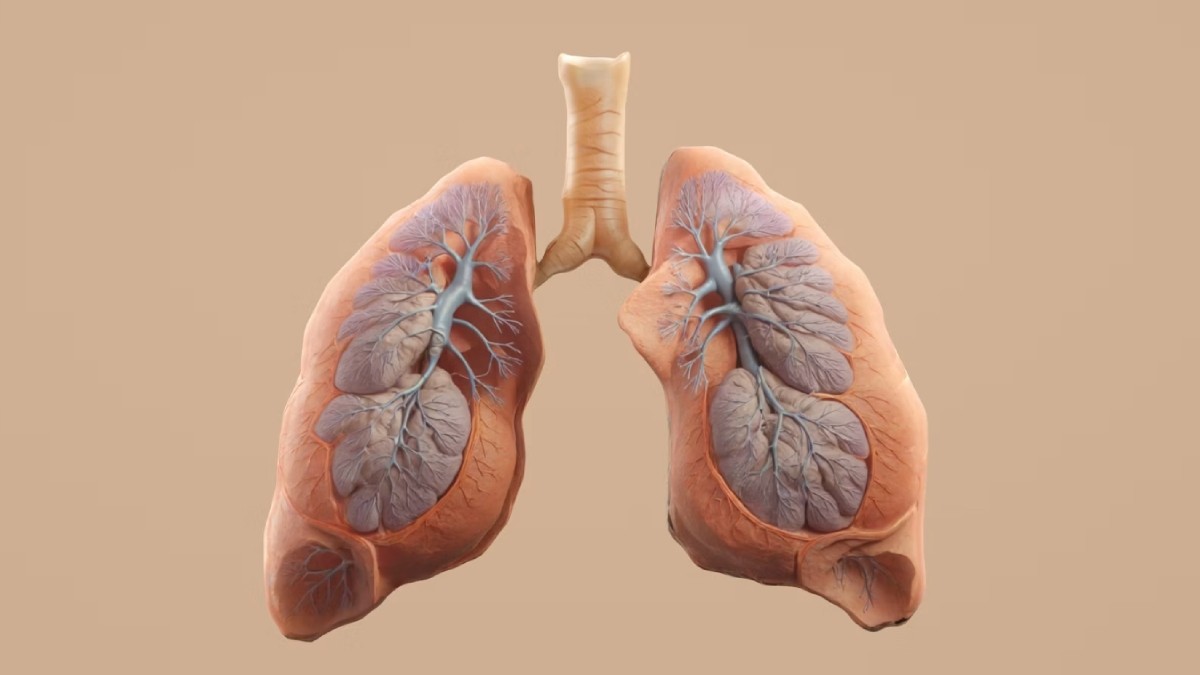
Cooking, cleaning, burning candles, smoking, using certain household products and even moisture-related mould can contribute to indoor air pollution. The US Environmental Protection Agency says indoor particulate matter can come from cooking, cleaning activities, combustion, tobacco smoke, candles, mould, pets and other sources.
On World Lung Day, knowing about these less obvious sources can help people make simple changes to improve the indoor air quality in their home.
Related Articles


Seven sources of indoor air pollution that are easy to overlook can be found in these areas.
1. Cooking Smoke And Gas Stoves
Cooking is a natural part of day-to-day life, but it can release particulate matter and other pollutants into the air.
Frying, grilling, and other high-temperature cooking methods can produce fine particles. Gas stoves and ovens can also produce nitrogen dioxide and other combustion pollutants.
Related Articles


The World Health Organization has identified cooking with polluting fuels and poorly ventilated stoves as a major source of household air pollution. Even in homes with cleaner fuels, adequate ventilation is still necessary to control pollutants generated during cooking.
A working exhaust fan or range hood and good ventilation can assist with decreasing the concentration of cooking-related pollutants in the home.
2. Candles And Incense
Candles and incense are often used to create a pleasant atmosphere or as part of religious and cultural practices. But burning them produces smoke and fine particles.
The EPA lists candles among indoor combustion sources that can generate particulate matter. Burning any material indoors will also put combustion byproducts into the surrounding air.
This does not mean that occasional use will cause serious health problems. Burning in a small or poorly ventilated room can, however, increase indoor particle levels.
Keeping rooms adequately ventilated and avoiding excessive smoke accumulation can help reduce exposure.
3. Cleaning Products
Cleaning products can also affect indoor air quality. Disinfectants, detergents, sprays and other household cleaning products may release chemicals into the air.
The National Institute of Environmental Health Sciences says that vapours and chemicals released by certain cleaners can contribute to indoor air pollution. The EPA also notes that chemical reactions involving substances released by cleaning products can generate particulate matter indoors.
Using cleaning products according to their labels, avoiding unnecessary spraying, and maintaining ventilation while cleaning can help reduce exposure.
Households should also avoid mixing cleaning chemicals unless the product instructions specifically permit it, as some combinations of cleaning chemicals can produce dangerous gases.
4. Paints, Furniture And Carpets
A newly painted room or newly purchased piece of furniture may release chemicals into the indoor air.
Some paints, furniture materials, carpets and building products can emit volatile organic compounds (VOCs). Formaldehyde is one example of an indoor chemical pollutant associated with some building and furnishing materials.
The WHO says VOCs, such as formaldehyde, can be released gradually from building materials, furniture, paints and carpets. These pollutants can contribute to indoor air-quality problems and may irritate the respiratory system.
Good ventilation is particularly important when painting, installing new flooring or bringing new furniture into a room.
5. Mould And Excess Moisture
Mould is another indoor air quality problem that could occur without much notice.
Leaks, damp walls, condensation and poor ventilation can create conditions that allow mould and other biological contaminants to grow. Mould spores can become airborne and may aggravate allergies or asthma in susceptible people.
The WHO says moisture build-up, mould and bacterial growth can result from structural problems, inadequate ventilation and other housing conditions. These can increase the risk of allergies and asthma.
Keeping bathrooms and kitchens well-ventilated, repairing leaks and addressing damp areas quickly can help prevent mould growth.
6. Dust, Pet Dander And Dust Mites
A clean-looking home may still be littered with airborne particles.
Indoor dust can contain soil and particles brought in from outdoors, pollen, mould spores, pet dander, dust mites, skin flakes and particles generated by household activities.
The EPA says that dust can be disturbed and become airborne through walking, cleaning and vacuuming. Children can be more exposed because they spend more time close to floors and surfaces where dust accumulates.
Regular cleaning, washing bedding, and controlling moisture can help eliminate some of the indoor biological pollutants. People with allergies might need more measures based on their symptoms.
7. Tobacco Smoke And Other Indoor Smoke
Secondhand tobacco smoke remains one of the most important indoor air-quality concerns.
Smoke from cigarettes and other tobacco products contains particulate matter and many chemicals. Smoking can spread through indoor spaces and expose people who do not smoke themselves to smoke.
The WHO identifies tobacco smoke, including secondhand smoke, as a major risk factor for poor lung health and links exposure to conditions including asthma, chronic obstructive pulmonary disease, lung cancer and pneumonia.
The EPA recommends keeping homes smoke-free. Smoking near an open window or door does not necessarily prevent smoke from entering the home.
How To Improve Indoor Air Quality
Reducing indoor air pollution does not always require major changes. Improving ventilation, maintaining cooking and heating equipment, controlling moisture, preventing mould and keeping indoor spaces smoke-free can all help.
During cooking and cleaning, adequate ventilation can reduce the concentration of pollutants. Households can also minimise unnecessary burning of candles or other materials indoors and follow product instructions when using chemicals.
People should pay particular attention if they experience persistent coughing, wheezing, breathing difficulties or worsening asthma symptoms at home. Such symptoms can have many possible causes and should not automatically be attributed to indoor pollution.
Indoor air quality is only one part of lung health, but it is an aspect that people can often influence directly. As World Lung Day highlights the importance of protecting respiratory health, keeping the air inside homes cleaner can be a practical part of that effort.


Comments 0