
The women all over the world working hours do not always follow the traditional nine-to-five schedule. Nurses, doctors, emergency responders, airline workers, factory workers, security personnel, hospitality workers and IT workers, for example, may work overnight shifts.
While night work can provide much-needed services and flexible employment opportunities, long-term effects of disrupted sleep and altered body clock patterns are of interest to scientists.
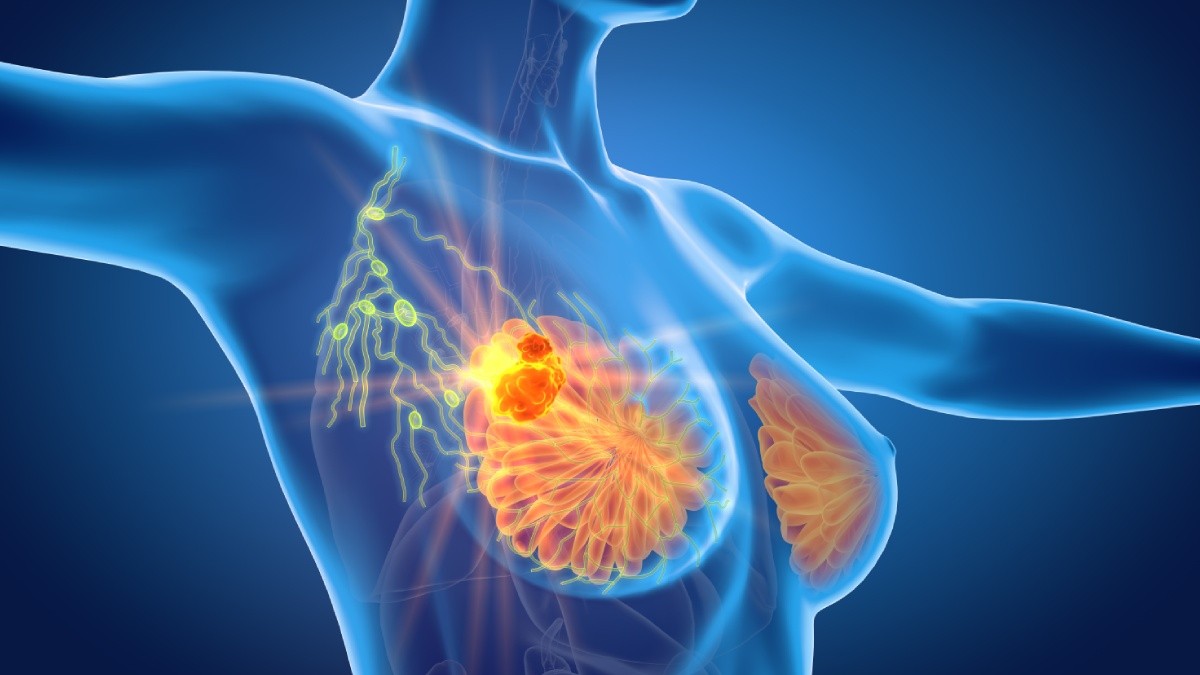
One area of study is breast cancer risk. Research has explored whether years of night-shift work may be linked with an increased risk of breast cancer. A 2024 dose-response meta-analysis in BMC Public Health added to this existing evidence by analyzing data from 10 cohort studies. The study noted that breast cancer risk was seen to be increased with longer night-shift exposure.
Related Articles


According to the research, women with around 30 years of night-shift exposure had a pooled relative risk of about 1.13 compared to women who had no night-shift exposure. In other words, it is 13% higher relative risk in our study. But this figure should not be taken as evidence that working nights leads to breast cancer.
That distinction is important when discussing observational health research. Studies of this type can provide evidence of relationships between exposure and health but cannot be seen as evidence of a direct link between one event and the other. Breast cancer is a complex disease and it is caused by many factors (e.g., the person’s age, genetics, family history, reproductive history, hormonal factors, body weight, alcohol consumption, physical activity and other lifestyle or environmental factors).
One possible explanation is that night work can affect the body's circadian rhythm. The internal 24-hour biological clock that governs sleep, hormone activity, metabolism and a host of other physiological processes is a 24-hour clock in place. People who work at night are awake when the body would usually sleep and then try to get sleep during daylight hours.
Related Articles


Repeated disruption of this natural cycle could affect biological processes in ways that researchers are still pondering. Exposure to artificial light at night, changes in sleep patterns and possibly hormone regulation are among the mechanisms being studied in connection with cancer risk.
The International Agency for Research on Cancer has classified night-shift work that involves circadian disruption as possibly carcinogenic to humans, but that should not be taken as meaning that every person working nights will develop cancer. The evidence in humans is still limited and there is evidence for the role of duration, frequency and type of shift work in risk.
For women who have worked night shifts for years, the core message is awareness not fear. A night-shift schedule is just one factor that could influence breast cancer risk. Personal risk factors and regular visits to healthcare providers are far more useful than becoming alarmed by an association found in research.
Breast awareness is also very important. Women should speak with a healthcare professional if they see a new lump, persistent change in breast size or shape, skin dimpling or thickening, nipple retraction or unusual nipple discharge. These changes can have many causes and do not mean cancer at all. So persistent or unexplained symptoms should be evaluated rather than dismissed as fatigue, stress or hormonal changes.
For night shift workers, breast cancer screening recommendations can also be followed as per their age and personal risk. Screening schedules may vary depending on the individual, family history and risk level. For instance, the American Cancer Society advises that women aged 40 to 44 have the option of annual mammograms, and women aged 45 to 54 have mammograms every year. Recommendations may differ for women at higher risk.
Lifestyle and sleep habits can also matter to night workers. If we can get enough sleep when we can, exercise enough, eat healthy food and drink less alcohol, we will be healthy. Permanent or rotating night work hours (at least at night) are also helpful in keeping the workplace dark and quiet and we are more likely to sleep during the day.
Ultimately, the evidence is not that years of night-shift work will bring breast cancer. Instead studies show there is at least a slight association between prolonged night-shift exposure and a modest increase in the risk of breast cancer. We also need to see how shift duration, intensity and susceptibility to specific conditions affect it.
For women who work nights the practical takeaway is simple: There’s no need to panic, but there’s every reason to stay informed. Careful monitoring of your own risk factors, the breast changes so you can keep yourself asleep on the job and follow the recommended screening guidelines for your health can all lead to better long-term health. Night work can change the body clock, but it doesn’t determine a woman’s health destiny.


Comments 0