
Fertility is important in women’s reproductive health, but it is rarely discussed among couples actively trying to have babies. In reality, irregular menstrual rhythms, persistent pelvic pain and certain hormonal factors may sometimes signal underlying problems that affect fertility. Early recognition in this form helps women to seek appropriate medical care and tackle the disease that can be treated.
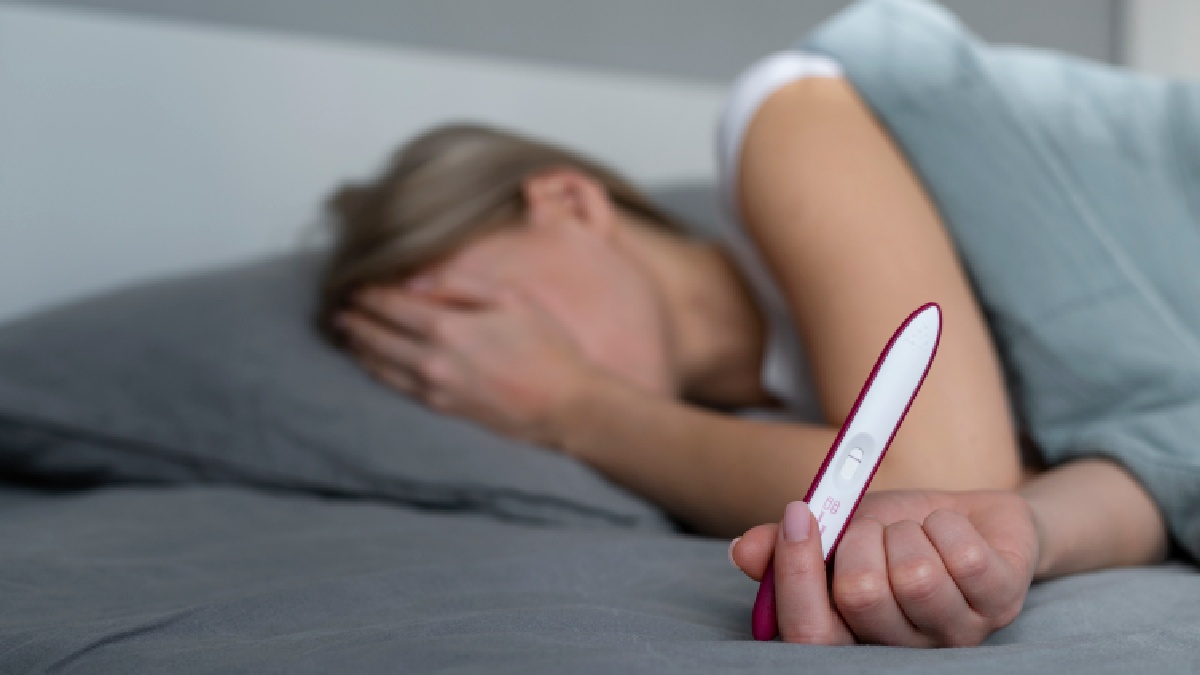
These symptoms are not indicative of infertile people. Infertility has many possible causes and can affect a woman. Some symptoms may indicate problems with ovulation, the reproductive organs or being able to conceive.
1. Irregular or Missing Menstrual Cycles
Related Articles


A menstrual cycle that frequently changes in length, periods that are missed for several months or menstruation that stops for a whole period cannot be dismissed. Irregular periods can often mean ovulation is not happening as frequently as one would like, making conception difficult.
A number of factors may cause irregular periods like hormonal problems, thyroid disorders, excessive weight gain, excessive exercise or polycystic ovary syndrome (PCOS). Since regular ovulation is essential for conception, persistent menstrual irregularities should be evaluated by a gynaecologist.
Tracking your menstrual cycle can also help you spot changes in your regular cycle and can be useful in a medical consultation.
Related Articles

2. Severe Menstrual Pain That Disrupts Daily Life
Period cramps are common, but severe or worsening menstrual pain should not always be considered a normal part of menstruation. Pain should be treated with the assistance of doctors if it gets so bad it is affecting work, sleep, exercise or daily life.
A possible cause is endometriosis, a problem in which tissue similar to the lining of the uterus grows outside the uterus. It may affect the ovaries, fallopian tubes and surrounding pelvic structures. Endometriosis might interfere with conception in some women.
Most other factors can also cause painful periods, so a proper evaluation is key, rather than thinking the pain is something to be tolerated.
3. Hormonal Symptoms Related to PCOS or PCOD
Polycystic ovary syndrome is an often-talked-about hormonal condition that can disrupt ovulation and fertility. Irregular periods may be one of its most readily recognizable symptoms, but other changes can sometimes occur gradually.
Persistent acne, excessive facial or body hair, thinning scalp hair, and unexplained weight changes may also occur alongside hormonal imbalances. Not every woman with these symptoms has PCOS, and the presence of these symptoms alone cannot diagnose the condition.
But if several of these symptoms are present together, particularly alongside irregular periods, a health professional might be able to help determine if hormonal testing or other investigations are needed.
4. Pain During Intercourse or Persistent Pelvic Discomfort
Pain during sex or chronic discomfort in the pelvic area should not be ignored. While occasional discomfort can have several explanations, persistent or recurrent pain may sometimes be associated with conditions affecting reproductive health.
Endometriosis, pelvic inflammatory disease, ovarian cysts and other gynaecological conditions can cause pelvic pain and may potentially affect fertility if left untreated. Some can also cause inflammation or changes in fallopian tubes and reproductive organs.
Women with unexplained pelvic pain, particularly when it is persistent or accompanied by unusual bleeding, discharge or fever, should seek medical evaluation.
5. Difficulty Conceiving After Regular Unprotected Sex
One of the most common reasons for fertility evaluation is difficulty getting pregnant even after regular unprotected intercourse. For women under 35 years old, considering 12 months of trying is recommended, and women over 35 years old are generally advised to seek evaluation after 6 months of trying.
Women who have known reproductive health issues, irregular periods, previous pelvic infections, endometriosis or other concerns may benefit from speaking to a healthcare professional sooner.
Fertility problems are not just for women. Both partners should be evaluated since male factors contribute to a large proportion of infertility cases.
Why Early Evaluation Matters
Fertility is influenced by age, ovulation, hormone levels, the health of the uterus and fallopian tubes, sperm health, and other factors. Some conditions can be controlled or treated, and that’s why knowing about changes in reproductive health and seeking prompt medical advice is important.
Women should look for persistent changes instead of trying to diagnose based on individual symptoms. Depending on the symptoms and circumstances, a gynaecologist or fertility specialist can recommend a medical history, physical examination, blood tests, ultrasound or other examinations.
Fertility concerns should not be held back by fear or stigma. Early asking for help can illuminate causes and allow treatment or fertility options to be discussed. Speaking with a qualified healthcare professional is an important step if your periods suddenly become irregular, pain becomes severe, hormonal symptoms manifest or pregnancy does not occur after an appropriate period of trying.




Comments 0