
The first few weeks and months of a baby’s life are filled with exciting milestones, but they are also an important period for monitoring growth and development. Medical tests for babies help doctors identify certain health conditions early, sometimes before any noticeable symptoms appear. While not every baby needs every test, newborn screening and routine pediatric check-ups are essential parts of preventive healthcare.
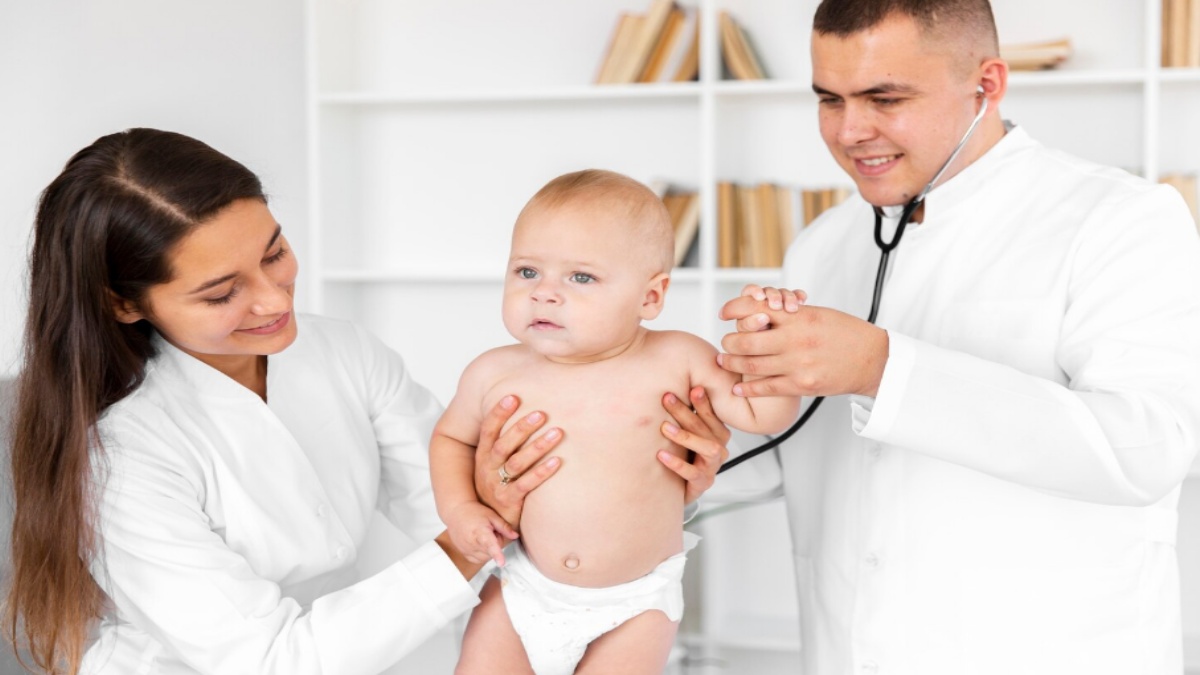
Parents may feel anxious when their baby is scheduled for a blood test, hearing assessment, or other examination. Understanding why these tests are performed can make the process less stressful and help parents make informed decisions with their pediatrician.
Newborn Screening Tests
Newborn screening is usually performed shortly after birth. One of the most common tests is a blood screening test, sometimes called a heel-prick test. A healthcare professional collects a small sample of blood from the baby’s heel and sends it to a laboratory.
Related Articles
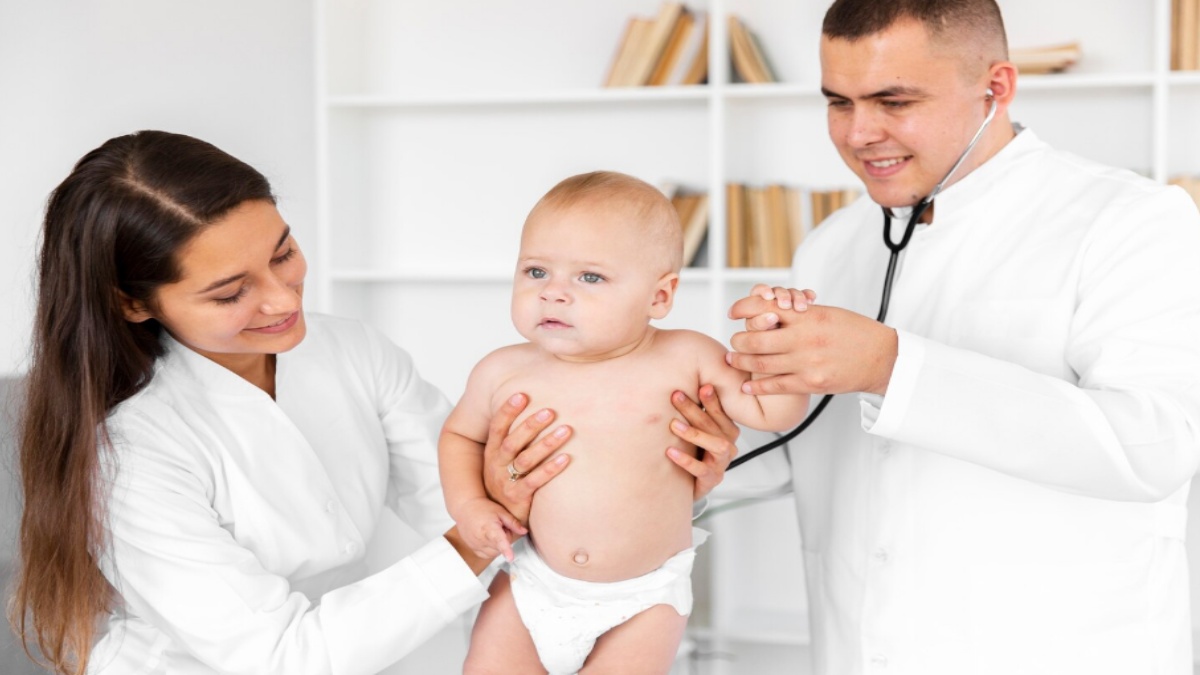

Depending on the country and local screening programme, this test may check for several rare but potentially serious inherited or metabolic conditions. Early detection can allow treatment to begin before complications develop.
The exact conditions included in newborn screening vary by location, so parents should ask their hospital or pediatrician which tests are routinely offered.
Hearing Screening
Newborn hearing screening is another important early test. Hearing problems can sometimes be present at birth even when a baby appears healthy.
Related Articles


Two commonly used screening approaches are otoacoustic emissions (OAE) and automated auditory brainstem response (AABR). These tests are generally quick and painless and can often be performed while the baby is sleeping.
Identifying hearing difficulties early is valuable because hearing plays an important role in speech, language and social development. If a baby does not pass the initial screening, it does not necessarily mean they have permanent hearing loss. Doctors may recommend a repeat screening or a more detailed hearing evaluation.
Newborn Eye Examination
A baby's eyes are also checked during routine newborn examinations. Doctors look for visible abnormalities and may assess the eyes' appearance and response to light.
Some babies may require additional eye examinations, particularly if they were born prematurely or have certain medical conditions. Pediatricians can recommend referral to an eye specialist when necessary.
Checking for Jaundice
Many newborns develop some degree of jaundice, which causes yellowing of the skin or whites of the eyes. Healthcare professionals may examine the baby and, when appropriate, measure bilirubin levels using a skin device or blood test.
Mild jaundice is common, but very high bilirubin levels can require treatment. Parents should contact a healthcare professional promptly if their baby's yellowing appears to worsen, the baby is difficult to wake, feeds poorly or seems unusually unwell.
Blood Tests When Needed
Blood tests are not routinely required for every healthy baby after newborn screening. However, a pediatrician may recommend blood tests if there are concerns about anemia, infection, nutritional deficiencies, metabolic conditions or other health problems.
For example, a doctor might investigate persistent poor feeding, unusual tiredness, poor weight gain, prolonged jaundice or other concerning symptoms.
Growth and Development Assessments
Not all important baby health checks involve laboratory tests. At regular pediatric visits, doctors measure the baby's weight, length and head circumference and compare growth patterns over time.
Developmental assessments may also look at age-appropriate movement, communication, social interaction and other milestones. These evaluations help healthcare professionals identify children who may benefit from additional assessment or support.
Vaccination-Related Health Checks
Routine pediatric appointments often provide opportunities to review a baby's vaccination schedule and overall health. Before vaccination, healthcare professionals may ask about the baby's medical history and current health.
Vaccinations themselves are not generally considered diagnostic tests, but keeping immunizations up to date is an important part of protecting infants from serious infectious diseases.
Tests for Premature or High-Risk Babies
Babies born prematurely or with specific medical concerns may need additional investigations. Depending on their condition, doctors may recommend tests involving blood, hearing, vision, oxygen levels, imaging or heart function.
For example, some premature infants require specialized monitoring because their organs are still developing. The exact tests depend on gestational age, symptoms and individual medical needs.
When Should Parents Ask the Doctor About Testing
Parents should not hesitate to discuss any concerns about their baby's health with a pediatrician. Medical evaluation may be appropriate if a baby has persistent feeding difficulties, poor weight gain, breathing problems, repeated vomiting, unusual sleepiness, seizures, prolonged jaundice, fever or developmental concerns.
Parents should also keep records of screening results and routine check-ups so they can discuss them during future appointments.
Medical tests and routine health assessments help doctors understand how a baby is growing and identify potential problems early. Newborn blood screening, hearing checks, jaundice assessment and regular developmental monitoring are among the important components of infant healthcare.
However, testing should be individualized. A healthy baby may not need numerous investigations, while a premature baby or one showing concerning symptoms may require additional tests. Parents should always discuss the purpose, benefits and possible follow-up of any recommended test with their pediatrician.




Comments 0