
The arrival of a baby brings excitement, but it also comes with many questions about health and development. One of the most important responsibilities for new parents is making sure their baby receives recommended medical check-ups and screenings.
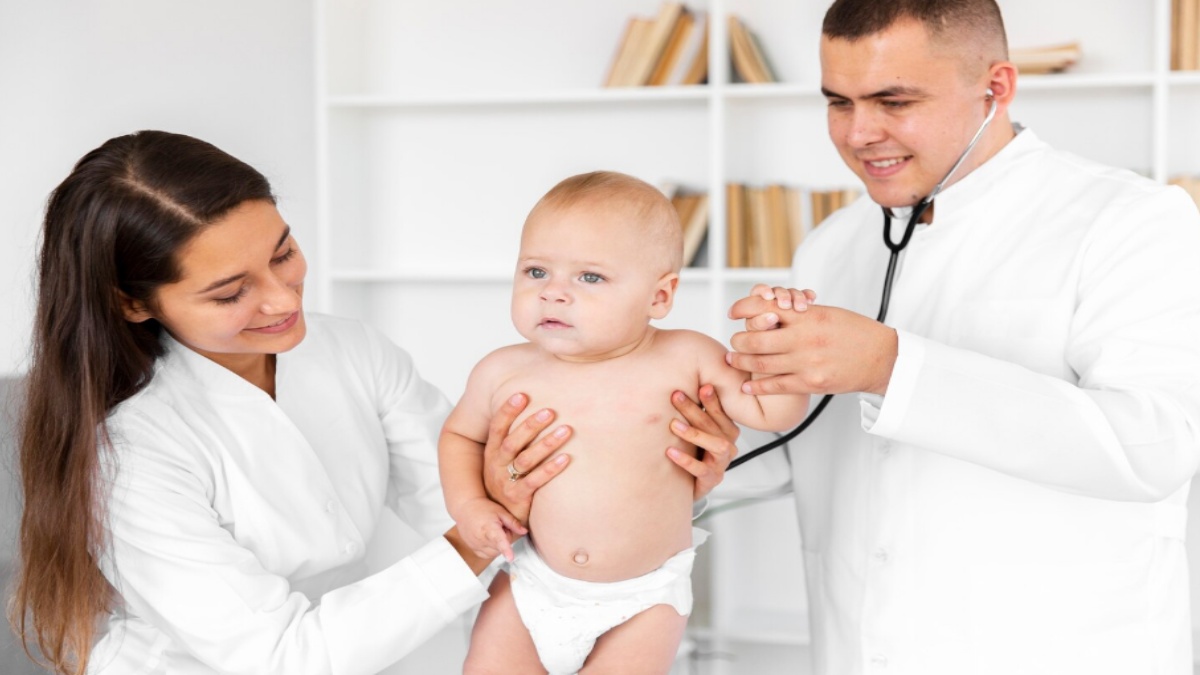
Some tests are routinely performed shortly after birth, while others are recommended at specific ages or when a healthcare professional notices a possible concern. These screenings can help identify certain conditions early, when treatment or monitoring may be most effective.
The exact tests a baby receives can vary depending on the country, healthcare system, family history, pregnancy and the baby's individual health.
Related Articles

1. Physical Examination After Birth
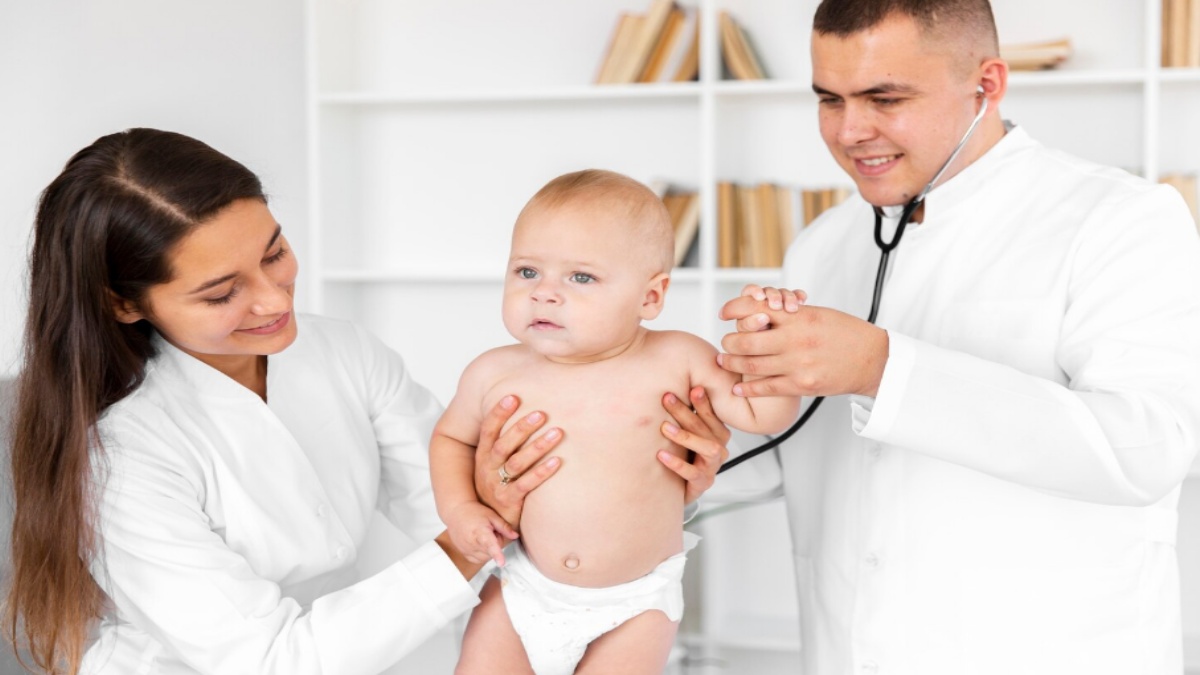
A newborn typically receives a thorough physical examination shortly after delivery.
Healthcare professionals assess the baby's breathing, heart rate, temperature, muscle tone, reflexes, skin colour and general appearance. They may also examine the baby's eyes, ears, mouth, abdomen, hips, spine and limbs.
The baby's weight, length and head circumference are also measured. These measurements provide a baseline for monitoring growth during subsequent appointments.
Related Articles


2. Apgar Assessment
The Apgar score is commonly assessed shortly after birth, generally at one and five minutes.
It evaluates five areas: appearance, pulse, grimace or reflex response, activity or muscle tone, and respiration.
The score helps healthcare professionals quickly assess how a newborn is adapting immediately after birth. It is not designed to predict a child's long-term health.
3. Newborn Blood Screening
A small blood sample is often collected from a baby's heel during the first days of life.
This newborn screening can test for certain serious but treatable inherited, metabolic or other conditions. Detecting these conditions early can allow treatment or follow-up to begin before significant symptoms develop.
The specific conditions included in newborn screening vary by location.
Parents should ask their healthcare provider what conditions are included in their local newborn screening programme.
4. Hearing Screening
Newborn hearing screening is designed to identify babies who may have hearing loss.
Two commonly used technologies include otoacoustic emissions (OAE) and automated auditory brainstem response (AABR).
A screening result that requires further testing does not necessarily mean that a baby has permanent hearing loss. Babies may need repeat screening or a detailed hearing evaluation.
Early identification of hearing problems can support timely intervention and communication development.
5. Pulse Oximetry Screening
Pulse oximetry uses a small sensor placed on the baby's skin, usually on the hand or foot, to estimate blood oxygen saturation and measure the pulse.
In some healthcare systems, it is used to screen newborns for certain critical congenital heart defects (CCHDs).
The test is quick and painless. An abnormal screening result does not automatically diagnose a heart problem, but it may indicate that further evaluation is needed.
6. Bilirubin Testing for Jaundice
Newborn jaundice is common, particularly during the first days of life. It occurs when bilirubin builds up in the baby's blood.
Healthcare professionals may assess jaundice visually and may measure bilirubin using a skin device or blood test.
Most newborn jaundice is mild and resolves with appropriate monitoring, but very high bilirubin levels can be dangerous. Parents should follow medical advice about follow-up testing and treatment.
7. Blood Group and Other Tests When Needed
Not every baby requires blood group testing as a routine procedure. Depending on the mother's blood type, pregnancy history and the baby's clinical condition, healthcare professionals may recommend additional tests.
Other blood tests may also be performed if a newborn shows signs of infection, low blood sugar, anaemia or another medical concern.
8. Growth and Developmental Assessments
Medical care continues after the newborn period.
During routine baby check-ups, healthcare professionals monitor weight, length and head circumference. They also assess developmental milestones, feeding, sleep, movement, communication and social interaction.
Developmental screening helps identify children who may benefit from additional assessment or early support.
Parents should mention any concerns they have about their baby's development, even if they seem minor.
9. Vision and Eye Checks
Eye health is another important part of infant care.
A healthcare professional may examine the baby's eyes during routine visits. Depending on the baby's age and risk factors, more detailed vision screening may be recommended.
Babies with a family history of certain eye conditions or those born prematurely may require additional monitoring.
10. Tests for Babies With Specific Risk Factors
Some babies need additional medical testing because of circumstances surrounding pregnancy or birth.
Premature babies, babies with a low birth weight, infants with a family history of inherited disorders or babies who experience complications after delivery may require specialized investigations.
The doctor may recommend blood tests, imaging studies, cardiac evaluation or other assessments depending on the situation.
Vaccinations Are Also Part of Preventive Baby Care
Although vaccines are not diagnostic tests, they are an important component of infant healthcare.
Babies should receive vaccinations according to the immunization schedule recommended by their local health authorities. Vaccination helps protect children against several serious infectious diseases.
Parents should maintain an accurate record of their baby's vaccinations and attend scheduled appointments.
When Should Parents Contact a Doctor
Parents should seek medical advice if their baby has difficulty breathing, feeds poorly, becomes unusually sleepy or difficult to wake, develops a high or concerning fever, has seizures, shows signs of dehydration or appears significantly unwell.
For newborns and very young infants, medical concerns should be taken seriously because their condition can sometimes change quickly.
Medical tests for babies are designed to identify potential health concerns early and monitor normal growth and development. Newborn blood screening, hearing tests, pulse oximetry, bilirubin assessment and physical examinations are among the important evaluations commonly used during early life.
Not every baby needs every test, and screening programmes differ between countries. Parents should follow the recommendations of their pediatrician or other qualified healthcare professional and keep records of screening results, vaccinations and developmental assessments.
Regular check-ups are not only about finding problems. They also give parents an opportunity to ask questions, discuss feeding and development, and make sure their baby is receiving appropriate preventive care.




Comments 0