
Hot and humid weather can be uncomfortable for everyone, but babies can be particularly vulnerable to excessive heat. Infants have a limited ability to regulate their body temperature compared with older children and adults, making it important for parents and caregivers to take extra precautions during very warm days.
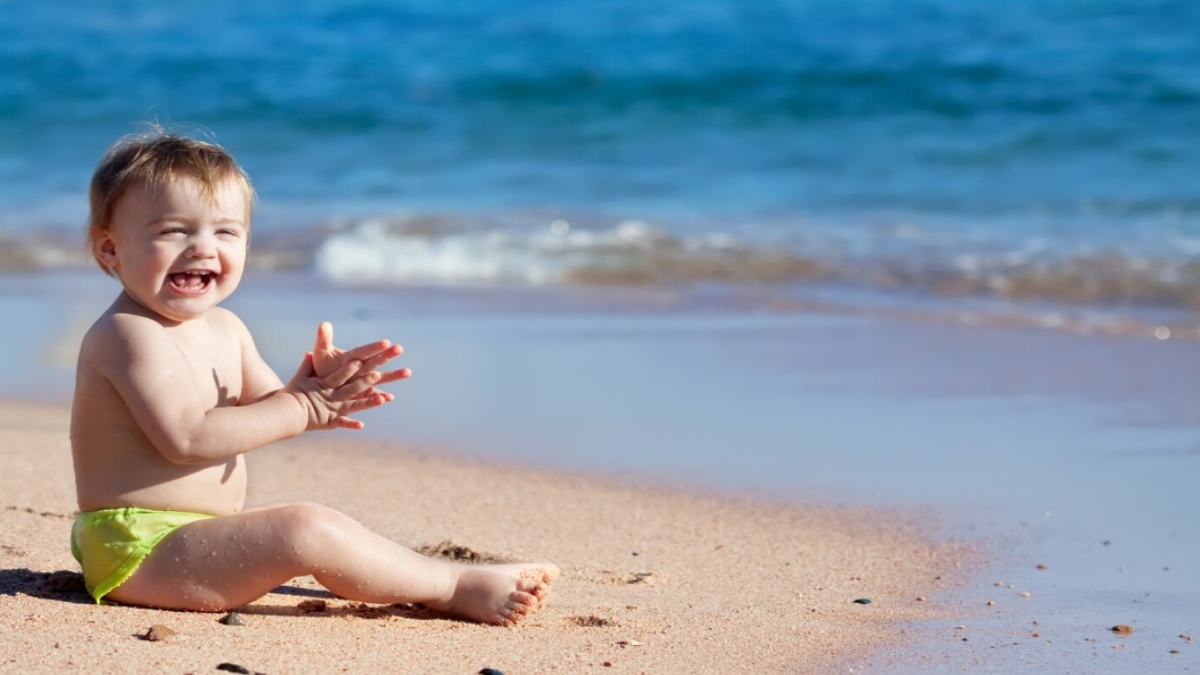
Keeping a baby comfortable in summer is not about making the environment extremely cold. Instead, the goal is to reduce excessive heat exposure, dress the baby appropriately, provide feeding as recommended and watch carefully for signs of overheating.
Here are some practical tips for caring for babies during hot weather.
Related Articles


1. Dress Your Baby in Light Clothing
Choose lightweight, loose-fitting clothing made from breathable fabrics such as cotton. Avoid unnecessary layers, thick blankets and tight clothing when temperatures are high.
A simple rule is to dress babies appropriately for the surrounding environment rather than automatically adding layers because they are infants. Check the baby's chest or back for signs of excessive warmth rather than relying only on hands and feet, which can sometimes feel cooler.
2. Keep the Room Comfortable
During particularly hot days, keep the baby's sleeping and living area as cool and well ventilated as possible. Fans or air conditioning can be used safely without directing a strong stream of air directly onto the baby.
Related Articles

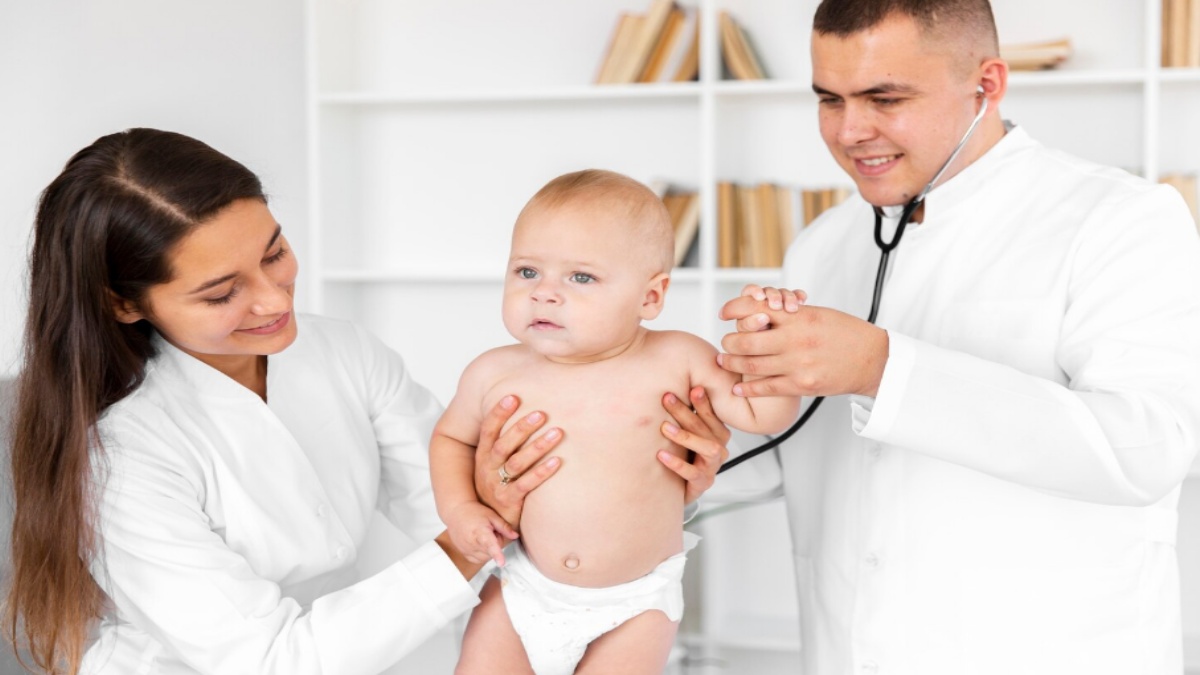
If using air conditioning, a comfortable room temperature is generally preferable to making the room excessively cold. Make sure the baby remains appropriately dressed and monitor their comfort.
3. Be Careful About Sun Exposure
Babies, particularly very young infants, should be protected from direct sunlight. Whenever possible, keep them in the shade and avoid unnecessary outdoor exposure during the hottest part of the day.
Use a pram or stroller with appropriate sun protection, while ensuring that air can circulate freely. Do not cover a stroller with a blanket or thick cloth to block sunlight, as this can restrict airflow and cause the temperature inside to rise dangerously.
4. Continue Breastfeeding or Formula Feeding
Babies can lose more fluid in hot weather. Breastfed babies should generally continue to breastfeed on demand. Formula-fed babies should continue receiving their usual appropriately prepared formula.
For young infants, do not give plain water or other fluids unless a paediatrician specifically recommends them. Infants have different nutritional and hydration requirements from older children.
Parents of older babies should follow their healthcare professional's guidance regarding water and complementary foods.
5. Watch for Heat Rash
Heat rash, sometimes called prickly heat, can develop when sweat becomes trapped in the skin. It may appear as small red bumps or irritated patches, particularly around the neck, chest, back or areas where skin folds.
Keeping the baby cool and dry, choosing breathable clothing and avoiding excessive layers can help. If the rash is severe, persistent or accompanied by other symptoms, consult a healthcare professional.
6. Never Leave a Baby Alone in a Parked Car
A parked car can heat up extremely quickly, even when the outside temperature does not seem exceptionally high. Never leave a baby unattended in a parked vehicle, even for a short period and even if the windows are open.
This is one of the most important hot-weather safety rules for parents and caregivers.
7. Check Your Baby Regularly
During very hot weather, check your baby more frequently for signs that they are becoming too warm. Pay attention to unusual sweating, flushed skin, irritability, weakness, unusual sleepiness or changes in feeding behaviour.
If a baby seems unusually hot, move them to a cooler environment and remove excess layers.
8. Prioritise Safe Sleep
Hot weather does not change the basic principles of safe infant sleep. Babies should be placed on their backs on a firm, flat sleep surface, without loose pillows, blankets, bumpers or soft objects around them.
Avoid overdressing a sleeping baby. A comfortable, appropriately ventilated sleep environment is preferable to excessive covering.
9. Plan Outdoor Activities Carefully
If you need to take your baby outdoors, consider going during cooler parts of the day and spending as much time as possible in shaded areas. Keep outings shorter during periods of extreme heat.
A wide-brimmed hat and appropriate protective clothing can help limit direct sun exposure in babies old enough to wear them comfortably.
10. Know the Warning Signs of Heat Illness
Parents should take symptoms of overheating seriously. Warning signs can include unusual drowsiness, weakness, irritability, rapid breathing, vomiting, poor feeding, very hot skin or reduced responsiveness.
A baby who appears seriously overheated, unusually difficult to wake, has trouble breathing, has a seizure or becomes unresponsive needs urgent medical attention. Heatstroke is a medical emergency.
Babies can be more vulnerable to high temperatures, so hot-weather care requires attention to clothing, room temperature, sun exposure, feeding and hydration. Keep your baby cool without overcooling them, avoid direct sunlight and never leave an infant alone in a parked car.
Most importantly, trust your observations. If your baby appears unusually sleepy, unwell or overheated, move them to a cooler environment and seek medical advice promptly. When temperatures are extreme, prevention and early recognition of heat-related illness can make a crucial difference.




Comments 0