
Pregnancy is a time of significant physical and emotional changes. Regular antenatal checkups, scans and medical tests help healthcare professionals monitor the health of the mother and developing baby throughout the pregnancy. While the exact schedule varies depending on individual health, pregnancy history and local clinical guidelines, routine prenatal care generally involves appointments and investigations at different stages.
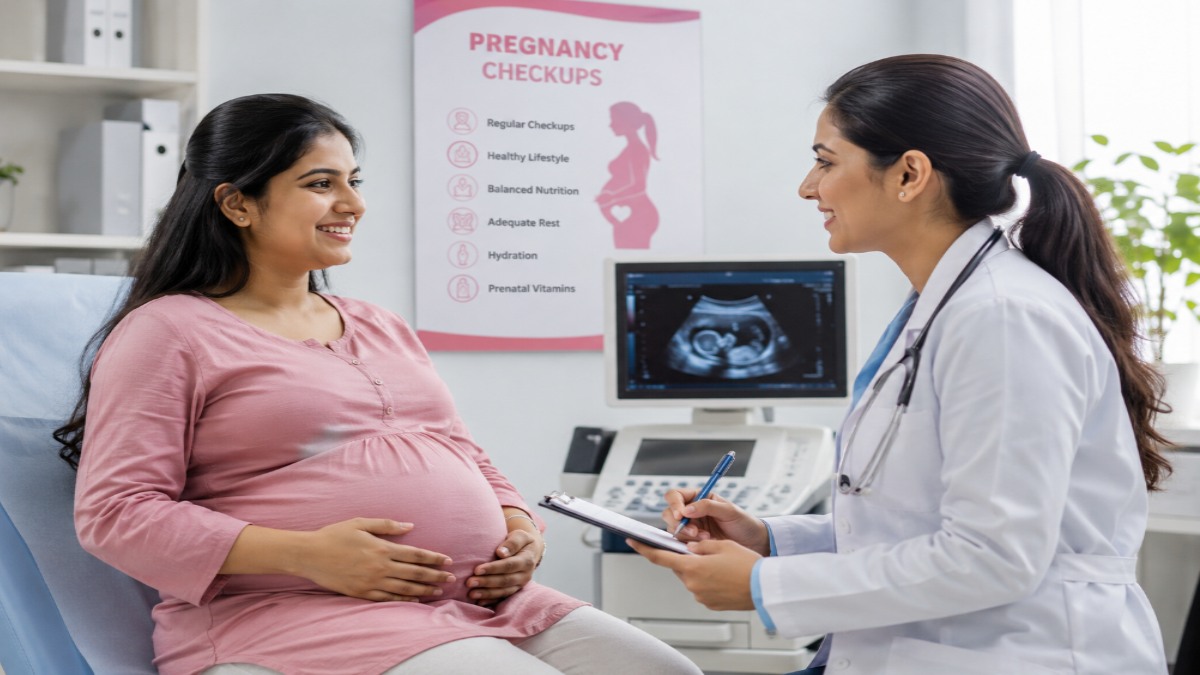
Understanding what these checkups and tests are designed to assess can help expectant parents feel more prepared and know what to expect.
First Pregnancy Checkup
The first prenatal appointment is usually an important starting point for pregnancy care. Your healthcare provider may discuss your medical and family history, previous pregnancies, medications, allergies and lifestyle habits.
Related Articles


Basic measurements such as blood pressure, weight and sometimes height may be recorded. The healthcare professional may also calculate an estimated due date based on the first day of your last menstrual period and other available information.
Initial blood and urine tests may be recommended. These can help identify conditions that could affect pregnancy and provide a baseline for ongoing care.
First Trimester Tests and Scans
The first trimester covers approximately weeks 1 to 13. Depending on when pregnancy is confirmed and the care plan, an early ultrasound may be recommended.
Related Articles


An ultrasound uses sound waves to create images and can help establish the location and development of the pregnancy. It may also help estimate gestational age and assess fetal development.
Blood tests may screen for blood group and Rh status, anaemia and certain infections. Screening for conditions such as hepatitis B, HIV and syphilis is commonly offered as part of prenatal care, although the exact testing programme can vary by country and healthcare system.
Some pregnant women may also be offered genetic or chromosomal screening. These can include blood-based screening and ultrasound assessment, depending on gestational age and individual circumstances.
Second Trimester Checkups and Screening
The second trimester generally extends from around weeks 14 to 27. Regular prenatal appointments continue during this period.
Healthcare professionals may monitor blood pressure, weight and other aspects of maternal wellbeing. As pregnancy progresses, the growth and development of the baby are also assessed.
One of the most significant scans is the anatomy or anomaly scan, usually performed around the middle of pregnancy. It provides detailed ultrasound images of the developing baby and allows trained professionals to assess various anatomical structures and development.
A glucose screening or glucose tolerance test may also be recommended to check for gestational diabetes, depending on risk factors and local guidelines.
Blood tests may be repeated when appropriate, including checks for anaemia or other concerns.
Third Trimester Tests and Checkups
During the third trimester, prenatal appointments may become more frequent, particularly as the due date approaches.
Healthcare professionals continue monitoring blood pressure and maternal symptoms while assessing the baby's growth and wellbeing. Depending on individual circumstances, additional ultrasound scans may be recommended to monitor growth, amniotic fluid or the placenta.
Some women may require additional monitoring if they develop complications or have conditions that increase pregnancy risk.
Towards the later stages of pregnancy, healthcare providers may discuss birth planning, warning signs of labour, fetal movements and when to seek urgent medical attention.
Why Regular Checkups Matter
Pregnancy can progress normally while certain health problems remain difficult to notice without medical assessment. Regular prenatal care provides opportunities to identify potential concerns early and decide whether further monitoring or treatment is needed.
Checkups can also give expectant mothers an opportunity to discuss common pregnancy symptoms, nutrition, exercise, medications, mental wellbeing and other concerns.
Importantly, not every pregnant woman needs every available test or scan. Screening and diagnostic tests are different, and recommendations can depend on age, medical history, pregnancy history, symptoms and other risk factors.
Screening vs Diagnostic Tests
A screening test estimates the likelihood that a baby or mother may have a particular condition. A screening result does not necessarily mean that a condition is present.
A diagnostic test, on the other hand, is designed to determine more definitively whether a particular condition is present. Some diagnostic procedures may carry risks, so healthcare professionals generally discuss their potential benefits and limitations before proceeding.
When to Contact Your Healthcare Provider
Routine appointments are important, but pregnant women should also seek medical advice if they experience concerning symptoms. Depending on the stage of pregnancy, warning signs may include heavy vaginal bleeding, severe abdominal pain, severe headache or vision changes, leaking fluid, difficulty breathing, significant swelling or a noticeable reduction in the baby's usual movements.
The appropriate response can vary depending on the symptom and stage of pregnancy, so urgent concerns should always be discussed with a healthcare professional.
A Key Part of a Healthy Pregnancy
Checkups, scans and tests are not simply appointments to confirm that the baby is growing. They form an important part of prenatal care by helping healthcare professionals monitor maternal health, assess fetal development and identify situations that may require additional support.
Every pregnancy is different, so the timing and type of investigations can vary. Expectant mothers should follow the schedule recommended by their obstetrician, midwife or other qualified healthcare professional and ask questions whenever they are unsure about a test or result.
Regular prenatal care, combined with healthy habits and prompt attention to warning signs, can help support the health and wellbeing of both mother and baby throughout the pregnancy journey.




Comments 0