
Caring for a newborn baby can carry many questions, for example, in the area of everyday hygiene. Parents may wonder how often they should clean their baby’s ears, if eye discharge is normal or how to clear a blocked nose. Because babies have delicate skin and small, sensitive body parts, gentle cleaning is crucial.

The good news is babies don’t need complicated hygiene routines. In most cases, the safest way is to clean only the areas that are visibly dirty and avoid inserting anything into the ears, eyes or nose.
How to Clean Your Baby’s Ears
A baby's ears are delicate and earwax is not necessarily something that needs to be removed. Earwax protects the ear canal; parents usually only need to clean the outside of the ears.
Related Articles

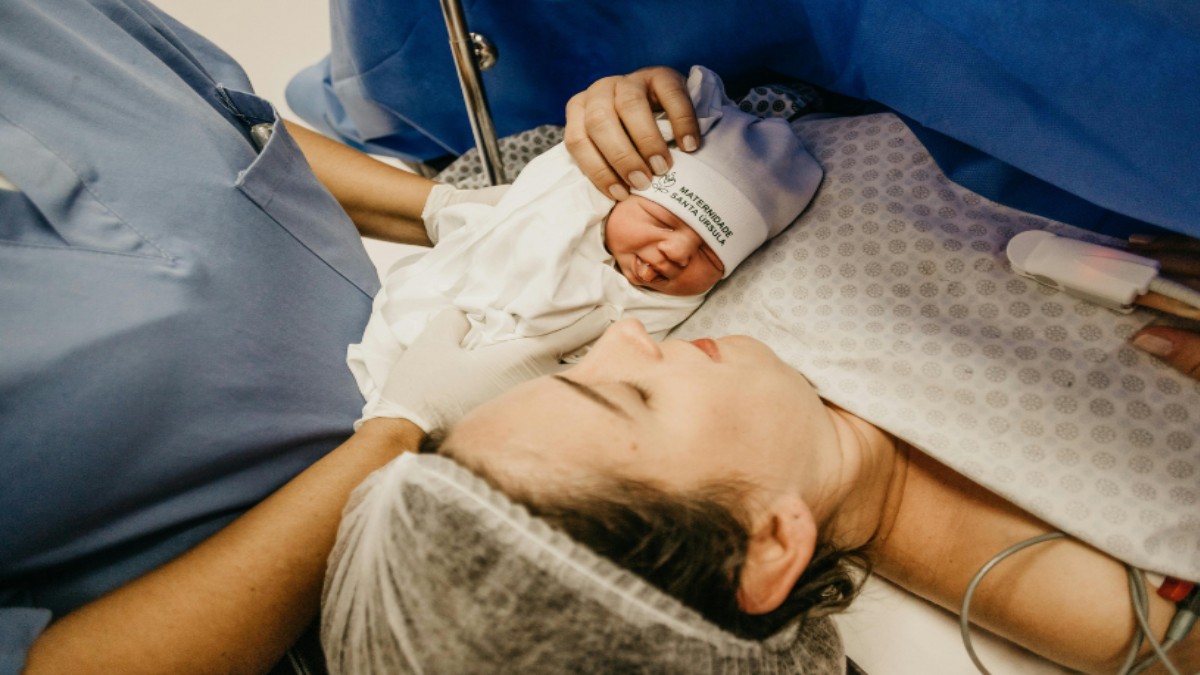
Use a soft, clean, damp washcloth to wipe the outer ear and behind the ears during bath time. Afterward, dry off the area gently.
Don’t put cotton buds, fingers, hairpins or other objects into your baby’s ear canal. These can force wax deeper into the ear or accidentally injure the delicate structures inside the ear.
If you notice a large amount of wax, fluid, blood, an unpleasant smell or persistent discharge coming from the ear, contact your baby's healthcare professional rather than trying to remove it yourself.
Related Articles


Cleaning Your Baby’s Eyes
Newborns can develop a small amount of dried discharge or “sleep” around the eyes. This can often be gently cleaned with clean water and a soft cloth or sterile cotton pad.
Wash your hands before touching your baby’s face. Use a new, clean pad or section of cloth for each eye to avoid transferring any discharge from one eye to the other.
Gently wipe from the inner corner of the eye outward. Do not scrub or rub the eye, even if discharge has dried.
If the eye becomes noticeably red, swollen or painful, or presents with constant yellow or green discharge, seek medical advice. A baby with substantial swelling around the eye or who is unwell should be treated immediately.
How do you keep your baby’s nose clean
Babies commonly experience a stuffy or congested nose, especially during colds. Because babies breathe through their noses more often, congestion can delay feeding or sleeping.
If the nose congestion is mild, parents can rub mucus from around the nostrils with a soft, wet cloth to clean it off.
If your baby's nose is blocked and it is interfering with feeding or breathing, saline nasal drops may be recommended. Follow the instructions provided by your healthcare professional or the product manufacturer. Sometimes a bulb syringe or nasal aspirator can be used to gently remove loosened mucus, but excessive suction can irritate the nasal lining.
Avoid inserting cotton buds into the baby's nostrils. Do not use adult decongestant medicines unless prescribed by a healthcare provider.
Wash Your Hands Before Cleaning
Hand hygiene is one of the simplest ways to protect a newborn from germs. Always wash your hands with soap and water before cleaning your baby's face, handling feeding equipment or caring for any area around the eyes, ears or nose.
Keep towels, washcloths and other cleaning materials clean and do not share them between family members.
Don't Overclean
More cleaning is not necessarily better. Excessive wiping can irritate a baby's sensitive skin, while repeatedly trying to remove normal earwax can cause problems.
During everyday care, focus on visible dirt or discharge rather than trying to make the ears, eyes and nose completely free of natural secretions.
For the ears, only clean the outer areas. For the eyes, wipe gently when discharge is present. For the nose, clean mucus around the nostrils and use appropriate saline measures when congestion requires further help.
When Should You Contact a Doctor
Parents should seek medical advice if their baby develops symptoms that seem unusual or worsen over time.
Contact a healthcare professional if there is persistent or significant discharge from the ear or eye, redness or swelling around the eye, bleeding from the ear or nose, severe congestion affecting feeding, or signs that the baby is experiencing pain.
Breathing difficulty is an emergency. If your baby is struggling to breathe, has blue or grey coloring around the lips or skin, is unusually difficult to wake, or appears seriously unwell, seek emergency medical care immediately.
Fever for very young babies can also require prompt medical assessment, so parents should follow their healthcare professional’s guidance about when to seek care.
Gentle Care Is Usually Best
Cleaning your baby's ears, eyes and nose does not require complicated products or vigorous cleaning. A clean cloth, good hand hygiene and a gentle approach are usually enough for everyday care.
Avoid putting objects inside the ears or nose, never scrub the eyes and do not use medicines or cleansing products unless they are appropriate for babies and recommended by a healthcare professional.
With a simple, gentle routine, parents can keep their baby's face clean and comfortable while avoiding unnecessary irritation or injury. If something looks unusual, it is always better to ask a pediatrician or other qualified healthcare professional rather than attempting to treat the problem at home.




Comments 0