
The moments immediately after a baby's birth are important for assessing the newborn's health and helping the transition from life inside the womb to breathing and maintaining body temperature outside it. Delivery-room care usually focuses on making sure the baby is breathing well, staying warm, receiving appropriate monitoring and beginning feeding when possible.
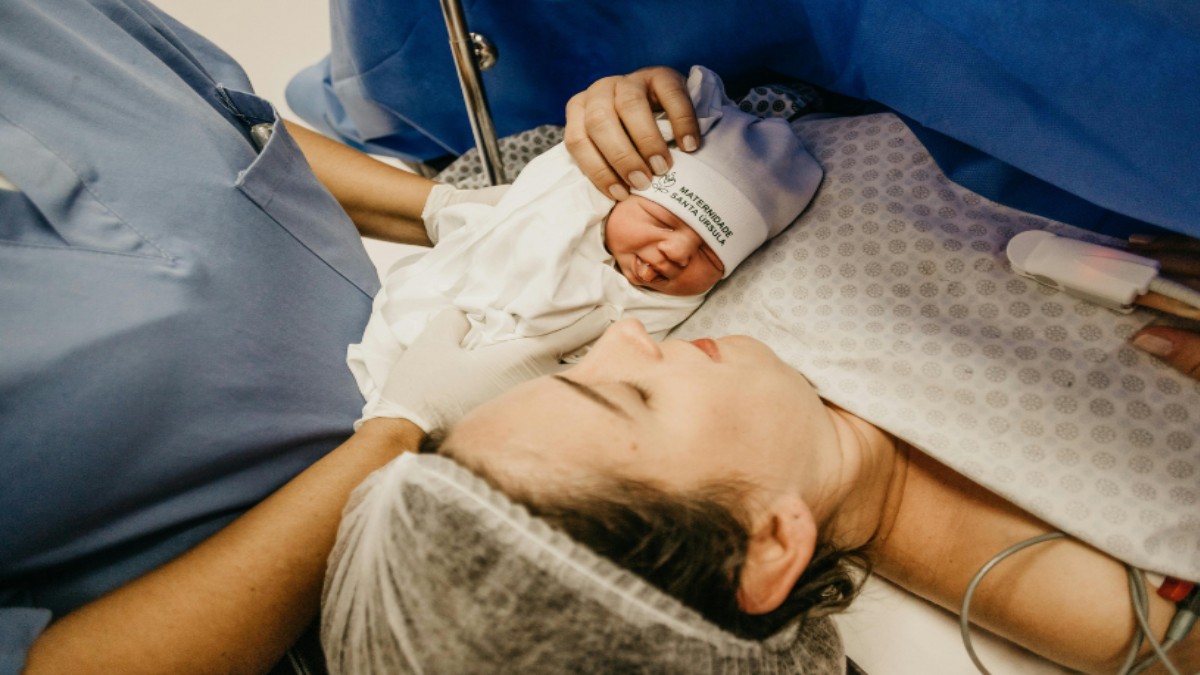
While many newborns transition smoothly, some babies need additional support from trained medical professionals. The exact care provided depends on the baby's condition, gestational age and the circumstances of the delivery.
Immediate Assessment of the Newborn
After birth, healthcare professionals quickly assess the baby's breathing, heart rate, muscle tone, colour and overall responsiveness. One commonly used assessment is the Apgar score, which is generally recorded at one and five minutes after birth.
Related Articles


The Apgar score helps healthcare professionals assess how the newborn is adapting immediately after delivery. It is not designed to predict a child's long-term health or intelligence.
If a baby has difficulty breathing or requires assistance, the delivery-room team can provide appropriate newborn resuscitation and other emergency care.
Keeping the Baby Warm
Newborn babies can lose body heat quickly because their temperature-regulating systems are still developing. Keeping the baby warm is therefore an important part of immediate care.
Related Articles


Drying the newborn and using warm blankets can help. In appropriate situations, skin-to-skin contact with the mother can provide warmth while also supporting early bonding.
If a newborn requires medical attention or cannot remain skin-to-skin safely, healthcare professionals use appropriate warming equipment.
Skin-to-Skin Contact
When both mother and baby are medically stable, early skin-to-skin contact can be encouraged. The baby is placed directly on the mother's bare chest and covered appropriately to maintain warmth.
Skin-to-skin contact can promote bonding and may help support early breastfeeding. It can also help the newborn adjust to life outside the womb.
A healthcare professional should remain attentive to the baby's position and breathing during skin-to-skin contact, particularly during the immediate post-birth period.
Starting Breastfeeding
When possible, breastfeeding can begin soon after delivery. Many babies show feeding cues during the first hour or so after birth, although timing varies.
A healthcare professional or lactation specialist can help the mother achieve a comfortable latch and feeding position.
Colostrum, the first breast milk, is produced in small quantities but contains important nutrients and immune-related components. Parents should not worry if a newborn initially takes only small amounts.
If breastfeeding is not possible immediately, healthcare professionals can discuss appropriate feeding options.
Umbilical Cord Care
After birth, the umbilical cord is clamped and cut according to the circumstances and local clinical practice. In some uncomplicated births, delayed cord clamping may be appropriate because it can provide additional blood from the placenta to the newborn.
The remaining umbilical cord stump should be kept clean and dry according to healthcare guidance. Parents should avoid applying unprescribed substances to the stump.
As it dries, the stump usually changes colour and eventually falls away naturally.
Vitamin K and Other Preventive Care
Newborns are commonly offered vitamin K after birth to reduce the risk of vitamin K deficiency bleeding. Healthcare professionals explain the recommended method and obtain appropriate parental consent according to local practice.
Other routine newborn preventive measures, examinations and vaccinations vary according to country and hospital protocols. Parents should ask their maternity or pediatric team what is recommended locally.
Newborn Measurements and Examination
Once immediate care is complete, healthcare professionals may record the baby's weight, length and head circumference. A physical examination can assess the heart, lungs, hips, reflexes and other aspects of newborn health.
The baby may also undergo routine screening for certain conditions. Depending on the healthcare system, screening may include blood tests, hearing assessment and screening for critical congenital heart disease.
These checks are designed to identify conditions that may not be obvious from appearance alone.
What Parents Should Watch For
Before leaving the hospital or birth facility, parents should receive guidance about newborn feeding, sleep, cord care, bathing and warning signs.
Seek urgent medical advice if a newborn has significant difficulty breathing, turns blue or grey, is unusually difficult to wake, feeds poorly, develops a fever or shows other concerning changes.
Parents should not hesitate to contact their healthcare professional if they are worried about their baby's health.
The Importance of Gentle Handling
Newborns have delicate bodies and require careful handling. Always support the baby's head and neck when lifting or carrying them.
Visitors should wash their hands before touching the baby, and people who are unwell should avoid close contact with a newborn. Safe sleep practices are also important once the baby is placed down to sleep.
Newborn care in the delivery room is focused on helping the baby transition safely after birth. Assessing breathing and heart rate, maintaining body temperature, encouraging skin-to-skin contact when appropriate, supporting early feeding and completing essential examinations are important parts of this process.
Every birth is different, and some babies may need additional medical support. Parents should follow the advice of their maternity and newborn-care team and ask questions whenever they are unsure.
The first hours of life are a time of major adjustment for both baby and parents. With appropriate medical care, monitoring and guidance, families can begin this new chapter with greater confidence.




Comments 0