
Pregnancy has been described as a big physical and emotional change and a lot of women are worried about exercising during this period. Regular physical activity for most women with an uncomplicated low-risk pregnancy is well established and can be resumed if necessary. Pregnancy allows us to get better health, lose weight, be in a better mood and to sleep better.
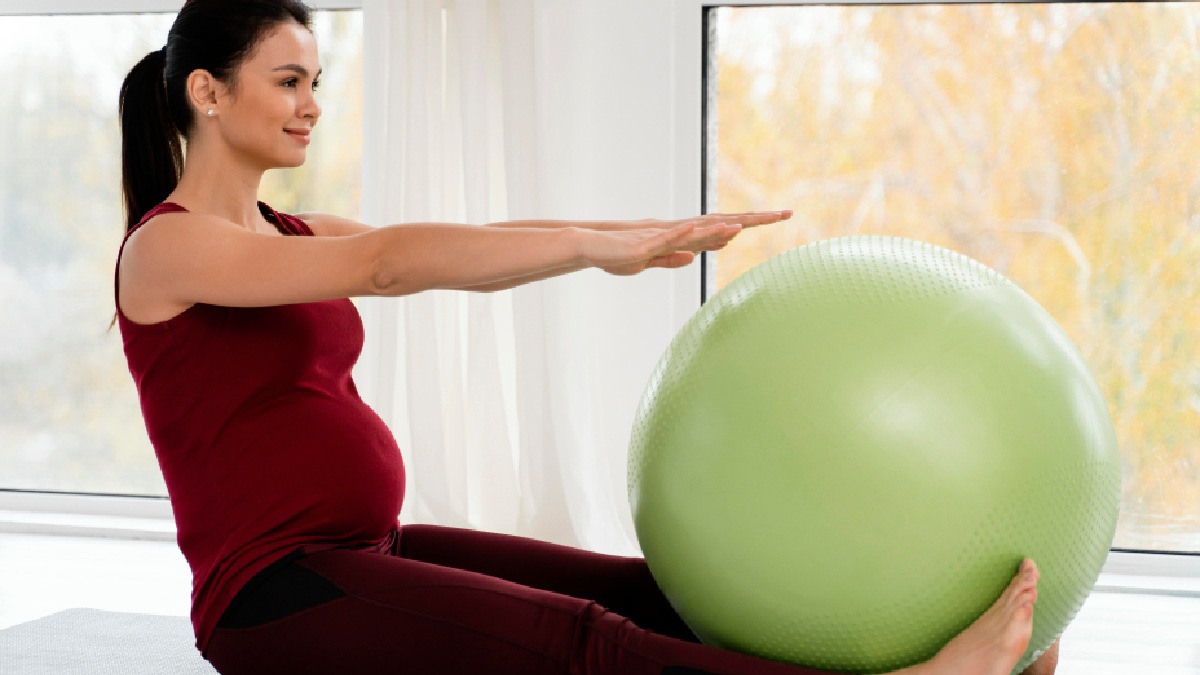
To do activities that will suit pregnancy and the individual’s health and fitness levels. When women were already physically active before pregnancy they may still be able to exercise but the physical activity may need to be less intense and the type of exercise may change as their pregnancy progresses. When women have been inactive before they can also benefit from gently moving around and going to the doctor and getting a background check.
Benefits of Exercise During Pregnancy
Staying active with exercise during pregnancy has a lot of benefits. Regular moderate activity helps to maintain physical fitness and support healthy weight gain during pregnancy. It can also help with circulation and help women cope with some of the physical problems during pregnancy and alleviate symptoms.
Related Articles
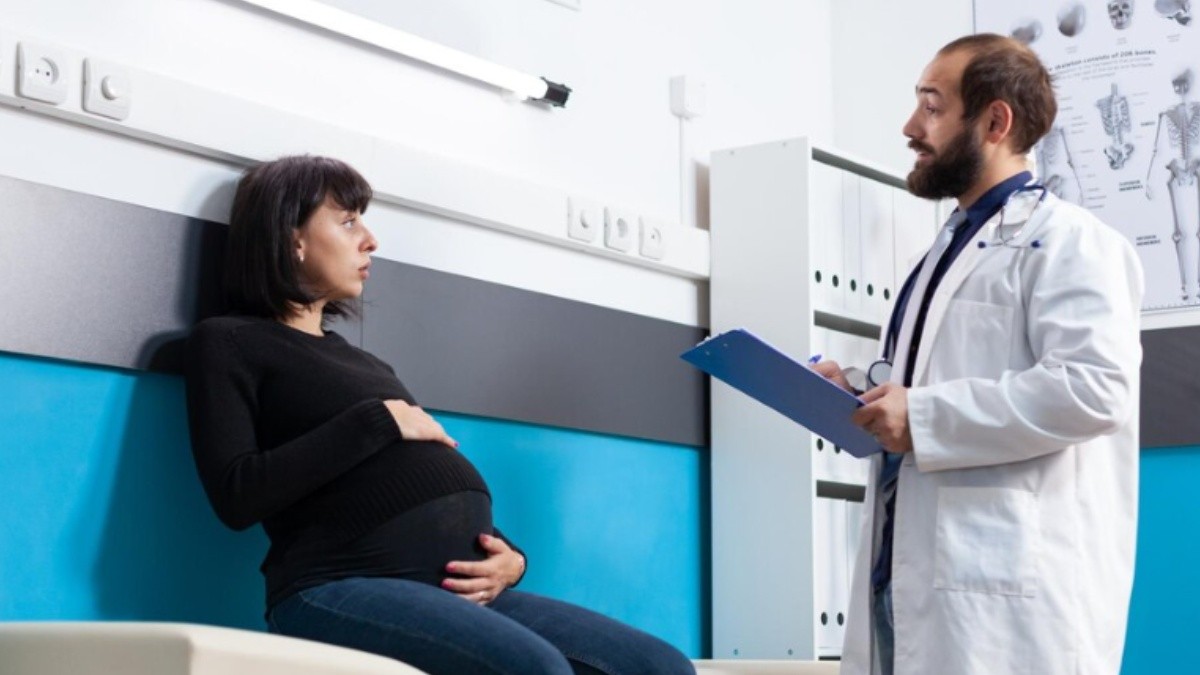

Exercise can also have positive effects on mental health. Physical activity will reduce stress and improve mood and increase well-being. It can also promote better sleep and reduce tiredness.
As of now, the guidance is to aim for 150 minutes of moderate-intensity aerobic activity each week for healthy pregnant women, if there is no medical reason to avoid exercise. This can be divided into shorter sessions throughout the week. But there is no need to push through exhaustion. Even brief periods of safe movement can be useful, especially on days when pregnancy symptoms make exercise more difficult.
Which Exercises Are Safe During Pregnancy?
Pregnancy gives women the opportunity to perform a variety of low- to moderate-impact activities. Brisk walking is one of the simplest ways to go about doing so and can be adjusted as energy levels and comfort preferences are often adjusted. Swimming and water-based exercise are also helpful because the water is a good thing for your body and may relieve the pressure on the joints.
Related Articles


Prenatal yoga and Pilates can be beneficial for flexibility, mobility, relaxation, and strength when used with pregnancy-appropriate modifications. Strength training can also be continued with appropriate resistance and lighter weights, with minimum strain.
If women who ran regularly and jogged regularly before pregnancy may be able to continue to do it if they are pregnant women can, depending on health, comfort and healthcare professionals’ advice. But as pregnancy progresses, running is uncomfortable or may cause a woman to feel uncomfortable or to be at risk of losing balance. Walking or other low-impact exercises that are less impactful may be more appropriate.
Exercises and Activities to Avoid
Some activities are more dangerous in pregnancy. Contact sports and activities with a high likelihood of falling should generally be avoided. These might include horseback riding, skiing, some gymnastics or any sport where a fall or abdominal impact is possible.
Scuba diving is not recommended while pregnant because of pressure changes.
Pregnancy has led to hormonal changes in joints that make them flexible and affect balance. And all this makes high-impact activities or demanding movements less comfortable and potentially worse for injury.
Exercises that require lying flat on the back for long periods of time may also require modification, particularly later in pregnancy, as the weight of the uterus can affect major blood vessels on the back and some women might feel dizzy or faint.
How to Exercise Safely During Pregnancy
Safety should always take priority over performance. Pregnant women should avoid becoming excessively overheated and should drink enough fluids before, during and after exercise. Wearing comfortable clothing and exercising in a well-ventilated environment can also help regulate body temperature.
Exercise should not leave you struggling to breathe or feeling unusually exhausted. Moderate-intensity activity should feel manageable, and women should be able to adjust the pace according to how they feel. Eating regularly and maintaining adequate nutrition can also help prevent weakness or low blood sugar.
It is important to listen to the body. Pregnancy is not the time to compete with previous fitness records or suddenly begin an intense training programme. The goal should be maintaining health, strength and mobility rather than achieving maximum athletic performance.
When Should You Stop Exercising?
Certain symptoms during exercise require immediate attention. These include vaginal bleeding, dizziness, chest pain, unusual shortness of breath, severe headache, palpitations, muscle weakness, difficulty walking, or pain or swelling in the calf.
Women should also stop exercising and contact their healthcare provider if they experience signs of preterm labour, leakage of amniotic fluid or a noticeable reduction in fetal movement.
These symptoms should not be ignored because they may indicate a pregnancy complication that requires medical assessment.
When Exercise May Not Be Recommended
Although exercise is beneficial for many pregnant women, it is not appropriate in every pregnancy. Certain medical or obstetric conditions may require restrictions or complete avoidance of physical activity.
Examples can include placenta previa, persistent vaginal bleeding and other conditions that increase the risk of preterm labour, heart or lung disease, uncontrolled high blood pressure and other pregnancy complications. The exact recommendation depends on the individual’s medical history and pregnancy.
For this reason, women with a high-risk pregnancy or an existing medical condition should consult their obstetrician or other healthcare professional before starting or continuing an exercise programme.
Pelvic Floor Exercises During Pregnancy
Pelvic floor exercises are commonly recommended during pregnancy because the pelvic floor muscles support the bladder, bowel, uterus and other pelvic organs. With pregnancy and childbirth, the pelvic floor muscles are also under further stress to the point of being weak which may cause urinary leakage and pelvic floor weakness.
Pelvic floor exercises are done gently to contract muscles that control urine flow without actually stopping urination while using the toilet. A common practice is to hold the contraction for a few seconds, relax completely and repeat several times throughout the day.
Women should focus on contracting and fully relaxing the muscles rather than constantly keeping them tense. A healthcare professional or pelvic health physiotherapist can provide individual guidance, particularly if there is pain, difficulty performing the exercises or existing pelvic floor problems.
Core Exercises During Pregnancy
Maintaining core strength can support posture, movement and everyday activities during pregnancy. However, abdominal exercises should be adapted as the pregnancy progresses, rather than performed exactly as they were before pregnancy.
Gentle exercises involving controlled abdominal and pelvic muscle activation may be appropriate for many women. Breathing comfortably throughout the movement is important, and exercises that cause pain, excessive pressure or discomfort should be stopped.
The Bottom Line
For most women with a healthy, uncomplicated pregnancy, exercise can be a safe and valuable part of prenatal care. Walking, swimming, pregnancy-friendly yoga, Pilates and appropriate strength exercises can help support physical fitness, mood, sleep and overall well-being. Pregnancy is different for every woman. Exercise intensity and activities may change with pregnancy and some medical conditions may make exercise unsafe and sometimes it is dangerous to exercise. Always follow your obstetrician's or healthcare provider's advice, especially during high-risk pregnancy or if you get early warning signs of a high-risk pregnancy.
Prenatal exercise is to keep the body from being pushed to its limits and not to push the body to its limits.




Comments 0