
Pregnancy brings significant physical and emotional changes, and staying active can be an important part of maintaining overall well-being. For many women with uncomplicated pregnancies, regular, moderate physical activity can provide several benefits. However, pregnancy is not the time to follow a one-size-fits-all exercise routine.
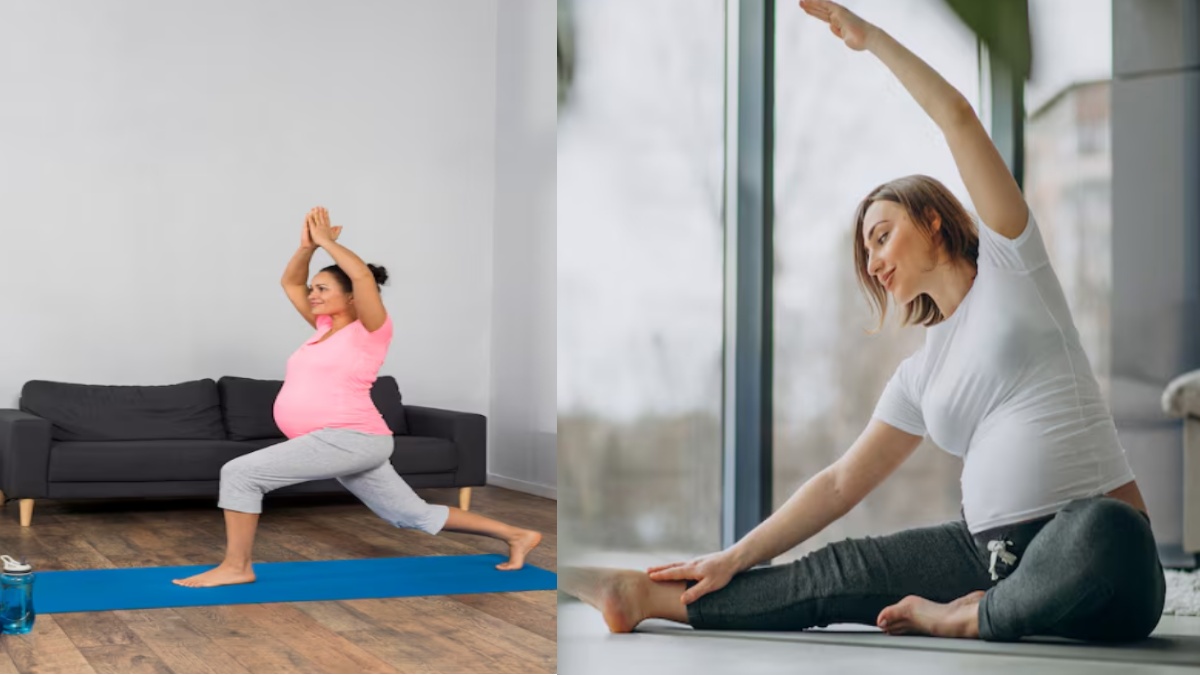
The right activity, intensity and duration depend on a woman's health, fitness level and pregnancy circumstances.Before starting a new exercise programme during pregnancy, it is important to discuss it with an obstetrician or other qualified healthcare professional, particularly if there are medical or pregnancy-related concerns.
Why exercise can be beneficial during pregnancy
Staying physically active during pregnancy may help support cardiovascular fitness, muscle strength and overall energy levels. Regular movement can also help some women manage common pregnancy-related discomforts.
Related Articles


Exercise may support healthy weight gain during pregnancy and help maintain physical conditioning. It can also improve mood and promote better sleep for some women.
As pregnancy progresses, the growing abdomen and changes in posture can place additional demands on the back, hips and legs. Appropriate strengthening and mobility exercises can help women maintain functional strength and prepare their bodies for the physical demands of daily life.
However, exercise should be approached as a way to support health rather than as a method of preventing normal pregnancy-related weight gain.
Related Articles


Walking is a simple option
Walking is one of the easiest forms of physical activity for many pregnant women. It requires little equipment and can be adjusted according to energy levels.
A woman who was already physically active before pregnancy may be able to maintain a similar routine with appropriate modifications. Someone who was previously sedentary should generally begin gradually rather than suddenly undertaking strenuous workouts.
Comfortable footwear, adequate hydration and avoiding excessive heat are important considerations.
Prenatal yoga and stretching
Prenatal yoga can combine gentle movement, stretching, breathing and relaxation. It may help improve flexibility and provide an opportunity to focus on posture and body awareness.
Not every yoga pose is appropriate during pregnancy, however. Pregnant women should work with instructors who understand prenatal modifications and avoid positions that cause discomfort, excessive abdominal pressure or a risk of falling.
As pregnancy progresses, balance can change, so exercises should be adapted accordingly.
Strength training during pregnancy
Strength training can help maintain muscle strength during pregnancy when performed safely. Bodyweight exercises, resistance bands and appropriately selected light-to-moderate weights may be suitable for some women.
The focus should be on controlled movements rather than lifting the heaviest possible load. Exercises should be modified as the pregnancy progresses, particularly when balance, joint comfort or abdominal pressure becomes an issue.
Proper breathing is also important. Avoid holding the breath during exertion, and stop any exercise that causes pain or unusual discomfort.
Exercises to approach with caution
Activities involving a significant risk of falling, abdominal trauma or collision may not be appropriate during pregnancy. Contact sports, activities with a high risk of falls and certain recreational exercises may need to be avoided or modified.
Pregnant women should also be cautious about exercising in very hot or humid environments. Adequate fluids and appropriate clothing can help reduce overheating.
The goal is not to push through exhaustion. Pregnancy changes the body's demands, and workout intensity may need to be adjusted from one day to another.
Listen to your body
Pregnancy is not a competition. A workout that felt comfortable before pregnancy may feel considerably more difficult later.
Pay attention to signs of excessive fatigue, dizziness, breathlessness that feels unusual, pain or other concerning symptoms. If something does not feel right, stop exercising and seek medical advice.
Certain pregnancy complications or medical conditions may require exercise restrictions or closer supervision. Women who have been advised to limit physical activity should follow their healthcare professional's recommendations rather than beginning an exercise routine independently.
Exercise after medical guidance
For most women who are medically cleared to exercise, staying active can be a valuable part of a healthy pregnancy. The ideal routine may include a combination of walking or other moderate aerobic activity, gentle strength training, mobility work and relaxation exercises.
The key is consistency, moderation and appropriate adaptation. Exercise during pregnancy should support the mother and baby's well-being rather than create unnecessary physical stress.
Ultimately, every pregnancy is different. Before beginning or continuing an exercise programme, pregnant women should discuss their individual circumstances with their healthcare provider. With appropriate guidance and sensible modifications, physical activity can be a safe and beneficial component of prenatal care.




Comments 0