
Experiencing a pregnancy loss can be one of the most difficult events in a person's life. Whether the loss happens early or later in pregnancy, it can bring a complicated mixture of sadness, shock, anger, confusion, guilt and grief. There is no single way to experience pregnancy loss, and there is no fixed timetable for emotional recovery.
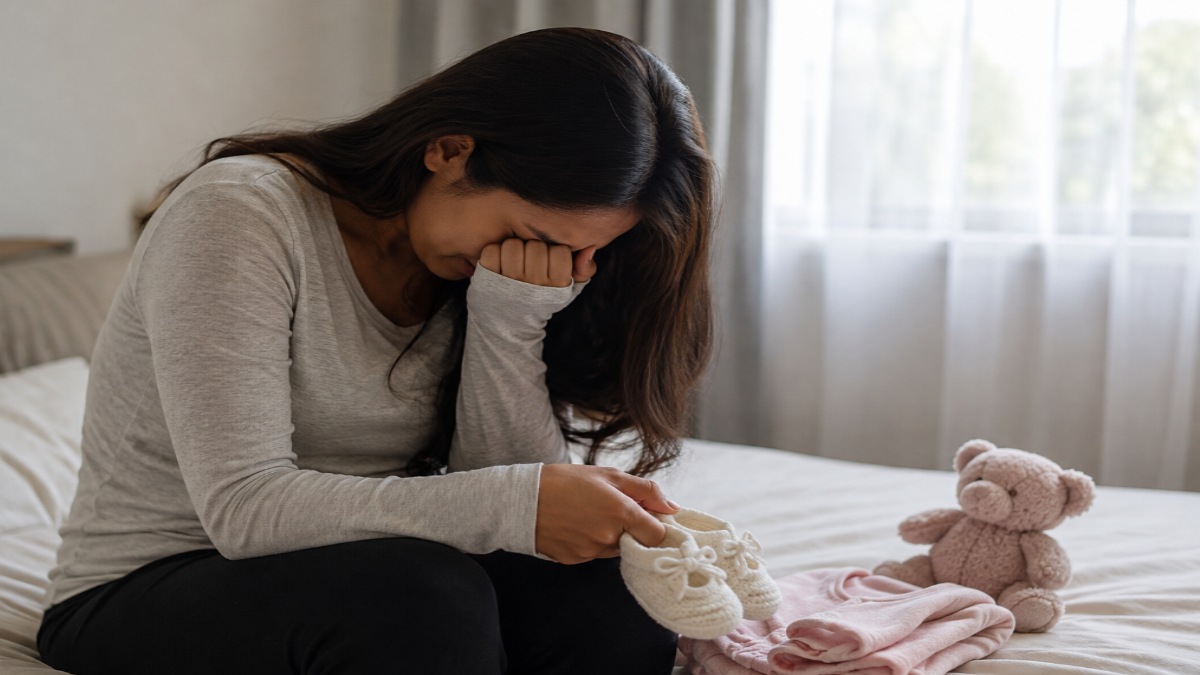
It is important to remember that pregnancy loss is not simply a medical event. For many people, it represents the loss of hopes, plans and expectations for the future. Partners and other family members may also experience grief, sometimes in very different ways.
What Is Pregnancy Loss
Pregnancy loss can occur for different reasons and at different stages of pregnancy. Miscarriage generally refers to a pregnancy ending before the point of viability, although definitions and terminology can vary by healthcare system. Pregnancy loss later in pregnancy may be described using different medical terms.
Related Articles


The causes can also vary. Chromosomal abnormalities are among the common causes of early miscarriage, while other medical, placental, hormonal or structural factors can sometimes contribute. In many cases, however, the exact cause cannot be identified.
Most importantly, experiencing a miscarriage is generally not caused by ordinary activities such as walking, working, having sex or experiencing everyday emotional stress. People who experience pregnancy loss often blame themselves, but self-blame is usually not justified.
Physical Recovery After Pregnancy Loss
The physical experience depends on the stage of pregnancy and the type of treatment required. Some people may experience bleeding, cramping and fatigue for a period of time afterward.
Related Articles


Healthcare professionals may recommend monitoring symptoms and arranging follow-up care. Depending on the circumstances, management can involve waiting for the pregnancy tissue to pass naturally, medication or a medical procedure.
Anyone experiencing heavy bleeding, severe or worsening abdominal pain, fever, fainting, dizziness or feeling seriously unwell should seek urgent medical attention. These symptoms can sometimes indicate complications requiring prompt treatment.
The Emotional Impact Can Be Significant
Grief following pregnancy loss can be unpredictable. Someone may feel relatively calm one day and overwhelmed the next. Certain dates, pregnancy announcements, baby-related advertisements or seeing other pregnant people may trigger difficult emotions.
There is no correct way to grieve. Some people want to talk openly about what happened, while others prefer privacy. Some may find comfort in rituals, writing, counselling or spending time with loved ones.
Partners can also experience grief, even if they did not experience the physical aspects of the pregnancy. Their feelings should not be overlooked.
Dealing With Feelings of Guilt
Guilt is common after pregnancy loss. People may repeatedly wonder whether something they ate, did or failed to do caused the loss.
In most cases, there is no reason to assume personal responsibility. Pregnancy loss often occurs because of biological factors outside a person's control.
If feelings of guilt become overwhelming, speaking with a healthcare professional or counsellor can provide reassurance and emotional support.
Give Yourself Permission to Grieve
There is no universal timeline for recovery. Some people begin feeling better within weeks, while others experience grief for months or longer.
Returning to normal activities does not mean forgetting the pregnancy or the baby you hoped to have. Grief can change over time rather than simply disappearing.
It can help to prioritise basic needs during recovery. Eating regularly, getting adequate rest, accepting practical help and allowing yourself quiet time can make difficult days more manageable.
Seeking Support
Talking to someone you trust can reduce the sense of isolation that sometimes follows pregnancy loss. This could be a partner, family member, close friend, doctor, midwife, counsellor or support group.
Some people prefer speaking with others who have experienced pregnancy loss because they may understand feelings that are difficult to explain to someone who has not experienced a similar situation.
Professional counselling can also be helpful, particularly if grief is interfering significantly with daily life.
Supporting Someone After Pregnancy Loss
If someone you care about has experienced pregnancy loss, you do not need to find perfect words. Simply acknowledging what happened can be meaningful.
Instead of avoiding the subject, consider saying that you are sorry and that you are available to listen. Practical support can also help preparing food, helping with household responsibilities or simply sitting with the person.
Avoid comments that minimise the loss, such as telling someone to "move on" or suggesting that they should be grateful because they can try again. Even well-intentioned remarks can unintentionally cause additional pain.
Thinking About Another Pregnancy
People respond differently to the idea of becoming pregnant again. Some may want to try again relatively soon, while others may need considerable time before they feel ready.
There is no emotionally correct timeline. From a medical perspective, the appropriate timing can depend on the individual's health, the circumstances of the pregnancy loss and any treatment received.
Before trying to conceive again, discussing future pregnancy plans with a doctor can help address physical recovery, existing health conditions, medications and any concerns about recurrence.
When Extra Emotional Help May Be Needed
Pregnancy loss can sometimes contribute to significant anxiety, depression or trauma-related symptoms. Seek professional help if sadness, hopelessness, severe anxiety or distress persists or makes it difficult to function.
If someone has thoughts of self-harm or feels unable to stay safe, urgent professional or emergency support is needed.
Pregnancy loss can affect the body, mind, relationships and sense of the future. Healing is highly individual, and there is no requirement to "get over it" within a particular period.




Comments 0