
Pregnancy changes the woman’s body and nutrition. During pregnancy the mother’s diet is one of the major sources of energy and the essential nutrients for growth and organ development in the fetus. A balanced and healthy diet is therefore important throughout pregnancy. But some foods and drinks should also be avoided or limited because they can increase the risk of foodborne infections, exposure to mercury or other complications.
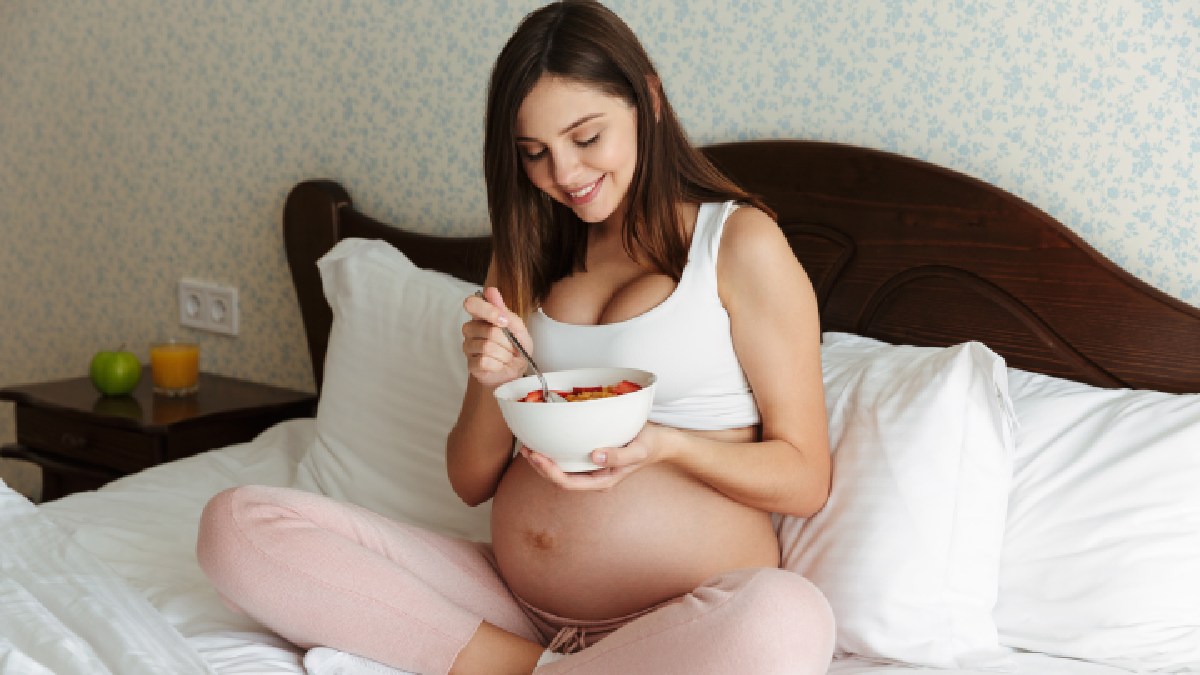
A healthy pregnancy diet is not so much about eating more food as it is about selecting nutrient-rich food and taking appropriate precautions on food safety. Pregnant women should be informed about their nutritional requirements and supplements and also meet with their doctor or registered dietitian.
Raw And Undercooked Eggs
Raw or undercooked eggs can carry Salmonella, a bacterium that causes food poisoning. Pregnant women are more susceptible to foodborne infections, thus food safety is very important.
Related Articles


Raw eggs may be present in homemade mayonnaise, some salad dressings, desserts, mousses, sauces and partially cooked dishes. Eggs should be thoroughly cooked during pregnancy until the white and yolk are firm. If a recipe calls for uncooked eggs, pasteurised eggs or egg products are a safer choice.
Unpasteurised Milk And Dairy Products
Unpasteurised milk and dairy products can contain harmful bacteria such as Listeria. Listeria infection during pregnancy can be mild or produce flu-like symptoms for the mother, but it can have serious consequences for the fetus.
Pregnant women should therefore choose pasteurised milk, yoghurt and other dairy products. Soft cheeses and other products should be checked carefully to ensure they are made with pasteurised milk and stored correctly.
Related Articles

Certain Deli Meats, Cold Cuts And Smoked Seafood
Contamination from Listeria can occur in refrigerated deli meats, cold cuts, pâté and smoked seafood. Since Listeria can survive and multiply at refrigerator temperatures, simply keeping these foods in the fridge is not enough to eliminate the risk.
If you eat deli meats or similar products during pregnancy, heating them until they are steaming hot can reduce the risk. Pregnant women should also follow recommended storage and use-by dates and maintain good kitchen hygiene.
High-Mercury Fish
Fish are an excellent source of protein and nutrients— omega-3 fatty acids are amongst them. However, some larger predatory fish have high mercury levels and can affect the developing nervous system.
Pregnant women should avoid fish that are high in mercury and choose lower-mercury options instead. Salmon, shrimp, sardines and other low-mercury seafood can be nutritious choices when properly cooked. Fish should always be prepared thoroughly, and local consumption advisories should be followed where applicable.
Raw Or Undercooked Seafood
Raw seafood, such as sushi made from raw fish, raw shellfish and undercooked seafood, can contain bacteria, viruses or parasites that may cause food poisoning.
During pregnancy, seafood should be cooked thoroughly. Raw shellfish should be avoided because it can carry harmful microorganisms. Good food handling practices, including preventing cross-contamination between raw and cooked foods, are equally important.
Unwashed Fruits And Vegetables
Fresh fruits and vegetables are an important part of a healthy pregnancy diet, but they should be washed thoroughly before eating. Soil and contaminated surfaces can carry microorganisms that may cause illness.
Pregnant women should rinse produce under clean running water and avoid eating visibly dirty or damaged produce. Washing hands, utensils and kitchen surfaces regularly can further reduce the risk of foodborne infections.
Alcohol
Alcohol should be avoided during pregnancy. Alcohol consumed during pregnancy can cross the placenta and affect fetal development. There is no established amount of alcohol that is known to be completely safe during pregnancy.
Alcohol exposure has been associated with fetal alcohol spectrum disorders, which can cause lifelong physical, behavioural and developmental problems. This includes alcoholic beverages consumed with meals or on special occasions. Choosing alcohol-free beverages is the safest approach throughout pregnancy.
Herbal And Unnecessary Dietary Supplements
Not every natural supplement is safe during pregnancy. Herbal products may contain multiple ingredients, and their safety during pregnancy may not have been adequately studied.
Pregnant women should avoid taking additional vitamins, minerals or herbal supplements unless recommended by their healthcare provider. Excessive amounts of certain fat-soluble vitamins, particularly vitamins A, D, E and K, can accumulate in the body and may cause harm.
Prenatal supplements containing nutrients such as folic acid and iron are commonly recommended during pregnancy, but the appropriate dose can vary depending on individual needs. A healthcare professional should guide supplementation.
Caffeine Should Be Limited
Caffeine does not necessarily have to be eliminated completely, but pregnant women are generally advised to limit their daily intake. Caffeine is found in coffee, tea, energy drinks, cola, chocolate and some medicines.
Because caffeine crosses the placenta, excessive intake during pregnancy has been associated with an increased risk of adverse pregnancy outcomes. Women should check the caffeine content of different beverages and discuss their intake with their healthcare provider.
Why A Balanced Pregnancy Diet Matters
Avoiding risky foods does not mean following an overly restrictive diet. Pregnant women need adequate calories, protein, vitamins and minerals to support their own health and the baby's development. Nutritional requirements increase during pregnancy, particularly during the second and third trimesters.
Foods such as whole grains, vegetables, fruits, pulses, nuts, seeds, dairy or suitable alternatives, eggs, lean meats and low-mercury fish can form part of a balanced pregnancy diet. Adequate hydration is also important.
Pregnancy is a time when food safety deserves particular attention. Avoiding raw and undercooked foods, unpasteurised products, high-mercury fish and alcohol can help reduce preventable risks. Since nutritional needs and medical circumstances vary from one woman to another, pregnant women should consult their obstetrician or healthcare provider before making major dietary changes or starting supplements.




Comments 0