
Pregnancy is a time of significant physical and nutritional changes. As the baby grows, the mother's body needs adequate energy and nutrients to support fetal development, maintain her own health and prepare for childbirth and breastfeeding.
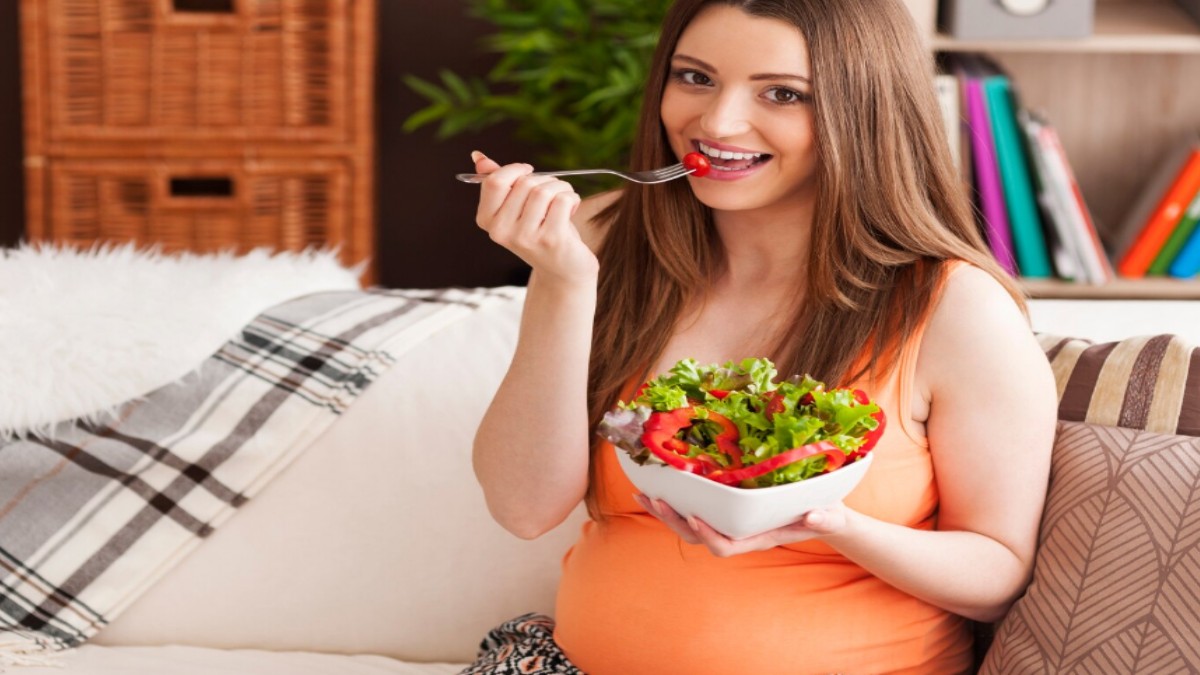
A healthy pregnancy diet does not mean eating twice as much food or following a restrictive meal plan. Instead, it means choosing a variety of nutritious foods and getting enough key nutrients throughout pregnancy.
Individual nutritional needs can vary based on health, pre-pregnancy weight, activity level, stage of pregnancy and medical conditions. Pregnant women should discuss personalised dietary advice with their doctor or registered dietitian.
Related Articles
Focus on a Variety of Nutritious Foods
A balanced pregnancy diet should include vegetables, fruits, whole grains, protein-rich foods and healthy sources of fat.
Try to include different colours and types of vegetables and fruits throughout the week. Whole grains such as oats, brown rice, whole-wheat bread and millets can provide carbohydrates and fibre.
Protein can come from foods such as eggs, well-cooked fish, poultry, lean meat, beans, lentils, peas, tofu, nuts and seeds.
Related Articles


Dairy products such as milk, yoghurt and cheese can provide protein and calcium. Choose pasteurised products during pregnancy.
Folate and Folic Acid Are Important
Folate is particularly important during pregnancy because it supports normal development of the baby's neural tube.
Good food sources include leafy green vegetables, beans, peas, citrus fruits and fortified foods. However, food alone may not provide the recommended amount of folic acid needed before conception and during early pregnancy.
Healthcare professionals commonly recommend a prenatal supplement containing folic acid, with the appropriate dose based on individual circumstances.
If you are planning pregnancy or have recently become pregnant, speak with your healthcare professional about prenatal supplementation.
Iron Helps Support Increased Blood Needs
The body's requirement for iron increases during pregnancy. Iron is needed to make haemoglobin, which helps carry oxygen through the blood.
Iron-rich foods include lean meats, beans, lentils, spinach and fortified cereals. Plant-based sources of iron are better absorbed when eaten alongside foods containing vitamin C, such as oranges, tomatoes, strawberries or peppers.
Pregnant women are often screened for anaemia, and iron supplements may be recommended when appropriate.
Include Calcium and Vitamin D
Calcium supports the development of the baby's bones and teeth while also helping maintain the mother's bones and normal body functions.
Sources include milk, yoghurt, pasteurised cheese, calcium-fortified plant beverages, tofu made with calcium and some leafy green vegetables.
Vitamin D also plays an important role in bone health and calcium metabolism. Depending on individual needs and local guidelines, a prenatal supplement may be recommended.
Choose Healthy Protein Sources
Protein is essential for the growth and development of the baby and the maintenance of maternal tissues.
Include protein with meals and snacks through options such as eggs, beans, lentils, chicken, thoroughly cooked meat, tofu, nuts, seeds and pasteurised dairy products.
Vegetarian and vegan pregnant women can also meet their nutritional needs with careful meal planning, although certain nutrients may require particular attention or supplementation.
Eat Fish Safely
Fish can be an excellent source of protein and nutrients, including omega-3 fatty acids. However, some fish contain high levels of mercury, which can be harmful to a developing baby.
Pregnant women should follow local guidance on which fish are safe and how much to eat. Choose lower-mercury varieties and avoid fish known to contain high mercury levels.
Fish and other animal products should also be cooked thoroughly.
Stay Hydrated
Adequate fluid intake is important during pregnancy. Water is generally the best everyday choice.
Pregnancy can increase fluid requirements, and vomiting, hot weather and physical activity can further affect hydration needs.
Keep water accessible throughout the day and drink regularly rather than waiting until you feel extremely thirsty.
Foods and Drinks to Limit or Avoid
Food safety becomes especially important during pregnancy.
Avoid unpasteurised milk and dairy products because they may contain harmful bacteria. Meat, poultry, eggs and seafood should be cooked thoroughly.
Pregnant women should also avoid foods associated with a higher risk of foodborne illness, including certain raw or undercooked animal products.
Caffeine intake should be limited according to pregnancy guidelines. Alcohol should be avoided during pregnancy because no known safe amount or safe time has been established.
Wash fruits and vegetables thoroughly and prevent cross-contamination between raw and cooked foods.
Don't Follow Restrictive Diets Without Medical Advice
Pregnancy is generally not the time for aggressive weight-loss diets or unnecessary food restrictions.
Some foods may need to be limited because of allergies, medical conditions or cultural preferences, but eliminating major food groups without appropriate replacements can create nutritional gaps.
If you have diabetes, thyroid disease, severe nausea, anaemia, food allergies or another medical condition, your healthcare professional can help develop an appropriate eating plan.
Managing Morning Sickness
Nausea and vomiting are common during early pregnancy. Eating smaller meals more frequently may be easier than consuming three large meals.
Simple foods such as toast, crackers, rice, bananas or other foods that you tolerate may be useful during periods of nausea. Ginger may help some people, but discuss supplements or concentrated products with your healthcare professional.
Persistent vomiting can lead to dehydration and inadequate nutrition and should be medically assessed.
A Healthy Pregnancy Diet Is About Balance
There is no single “perfect” pregnancy menu. Cultural foods and personal preferences can easily be incorporated into a nutritious diet.
A simple plate can include vegetables or fruit, a whole-grain or other carbohydrate source, a protein-rich food and a healthy fat. Variety helps provide different vitamins, minerals and other nutrients.
A healthy diet during pregnancy should provide a wide range of nutrients while also following important food-safety precautions. Focus on vegetables, fruits, whole grains, protein-rich foods, pasteurised dairy or suitable alternatives, healthy fats and adequate fluids.
Key nutrients such as folate, iron, calcium, vitamin D and omega-3 fatty acids deserve particular attention, and prenatal supplements may be recommended based on individual needs.
Most importantly, pregnancy nutrition should be personalised. Talk to your obstetrician, midwife or registered dietitian about your specific nutritional requirements, supplements and any foods you should avoid based on your health and pregnancy.




Comments 0