
Pregnancy and childbirth are life-changing experiences that mark the beginning of a new chapter for families. From the moment of conception to welcoming a newborn, every stage of pregnancy involves significant physical, emotional, and hormonal changes. Understanding what to expect during pregnancy and childbirth can help expectant parents make informed decisions, reduce anxiety, and prepare for the arrival of their baby.

A healthy pregnancy is supported by regular prenatal care, balanced nutrition, physical activity when appropriate, and timely medical guidance. While every pregnancy is unique, following evidence-based recommendations can improve outcomes for both mother and baby.
Understanding the Three Trimesters of Pregnancy
Pregnancy typically lasts around 40 weeks, counted from the first day of the last menstrual period, and is divided into three trimesters.
Related Articles


First Trimester (Weeks 1–12)
During the first trimester, the baby's major organs begin to develop. Many women experience symptoms such as:
- Morning sickness
- Fatigue
- Breast tenderness
- Frequent urination
- Mood changes
- Food cravings or aversions
This is also an important time to begin prenatal care. Healthcare providers generally recommend taking folic acid before conception and during early pregnancy to reduce the risk of neural tube defects.
Second Trimester (Weeks 13–27)
Often referred to as the most comfortable stage of pregnancy, the second trimester brings increased energy for many women. The baby's movements become noticeable, and routine ultrasound scans may assess growth and development.
Related Articles
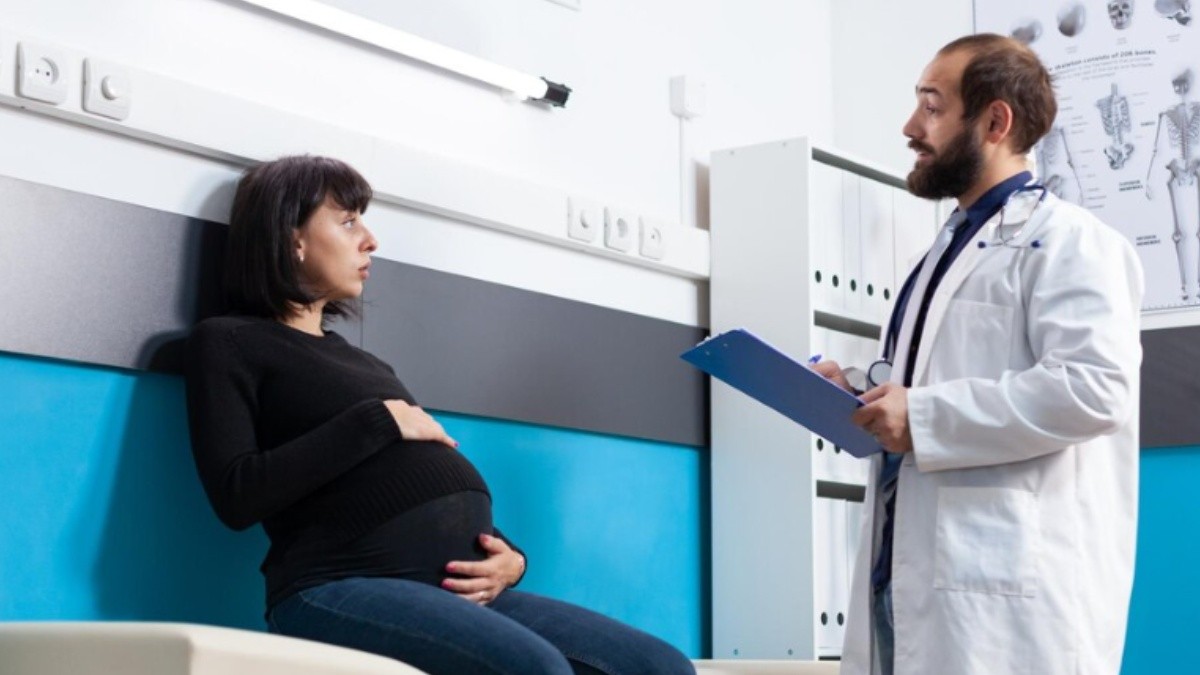

Common changes include:
- A growing baby bump
- Improved appetite
- Mild back pain
- Skin pigmentation changes
- Leg cramps
Maintaining regular prenatal visits helps monitor the health of both mother and baby.
Third Trimester (Weeks 28–40)
During the final trimester, the baby gains weight rapidly in preparation for birth. Mothers may experience:
- Shortness of breath
- Swelling in the feet and ankles
- Braxton Hicks contractions
- Difficulty sleeping
- Increased pelvic pressure
Preparing a hospital bag, discussing a birth plan with your healthcare provider, and attending childbirth education classes can help reduce uncertainty as delivery approaches.
The Importance of Prenatal Care
Regular prenatal check-ups allow healthcare providers to monitor the progress of the pregnancy and identify potential complications early.
Prenatal care typically includes:
- Blood pressure monitoring
- Weight checks
- Blood and urine tests
- Ultrasound examinations
- Screening for gestational diabetes
- Monitoring fetal growth and heartbeat
Early detection of conditions such as preeclampsia or gestational diabetes allows timely management and improves pregnancy outcomes.
Healthy Lifestyle During Pregnancy
Maintaining healthy habits supports fetal development and maternal well-being.
Eat a Balanced Diet
A nutritious pregnancy diet should include:
- Fruits and vegetables
- Whole grains
- Lean proteins
- Dairy or calcium-rich alternatives
- Healthy fats
- Iron-rich foods
Avoid alcohol during pregnancy, and consult your healthcare provider regarding foods to limit or avoid, such as unpasteurized products and certain high-mercury fish.
Stay Physically Active
Unless advised otherwise by your healthcare provider, moderate exercise such as walking, swimming, or prenatal yoga can help improve circulation, reduce back pain, and prepare the body for labor.
Get Enough Rest
Adequate sleep and stress management are important throughout pregnancy. Relaxation techniques, meditation, and gentle stretching may help improve sleep quality.
Signs of Labor
Labor can begin differently for every woman. Common signs include:
- Regular contractions that become stronger and closer together
- Lower back pain
- Rupture of membranes ("water breaking")
- Bloody show (a small amount of blood-tinged mucus)
- Increased pelvic pressure
If you suspect labor has begun or experience heavy bleeding, severe abdominal pain, decreased fetal movements, or fluid leakage, contact your healthcare provider or seek medical care promptly.
Types of Childbirth
Vaginal Birth
Vaginal delivery is the most common method of childbirth. Recovery is generally faster than after major surgery, though every birth experience is different.
Cesarean Section (C-Section)
A cesarean section is a surgical procedure performed when a vaginal birth is not the safest option for the mother or baby. It may be planned or performed as an emergency. The choice of delivery method should always be based on medical advice and individual circumstances.
Postpartum Care
The weeks following childbirth are an important period of physical and emotional recovery.
Key aspects of postpartum care include:
- Adequate rest
- Nutritious meals
- Hydration
- Breastfeeding support if chosen
- Gentle physical activity as advised
- Follow-up medical appointments
It is normal to experience emotional changes after delivery. However, persistent sadness, anxiety, or feelings of hopelessness may indicate postpartum depression, which is treatable. Seek support from a healthcare professional if these symptoms occur.
Caring for Your Newborn
During the first few weeks, newborn care focuses on:
- Feeding regularly
- Safe sleep practices (placing the baby on their back to sleep)
- Keeping vaccinations up to date
- Monitoring weight gain
- Maintaining good hygiene
- Attending scheduled pediatric check-ups
Parents should never hesitate to contact their baby's healthcare provider if they notice feeding difficulties, fever, breathing problems, or other concerning symptoms.
Pregnancy and childbirth are remarkable journeys that require proper preparation, medical guidance, and emotional support. Regular prenatal care, healthy lifestyle choices, and awareness of labor and postpartum recovery can contribute to a safer pregnancy and a healthier start for both mother and baby.




Comments 0