
Childhood is an important period of physical and mental development. The foods children eat provide the energy and nutrients they need to grow, learn, play and maintain a healthy immune system. Developing healthy eating habits early can also help children build a positive relationship with food that may continue into adulthood.
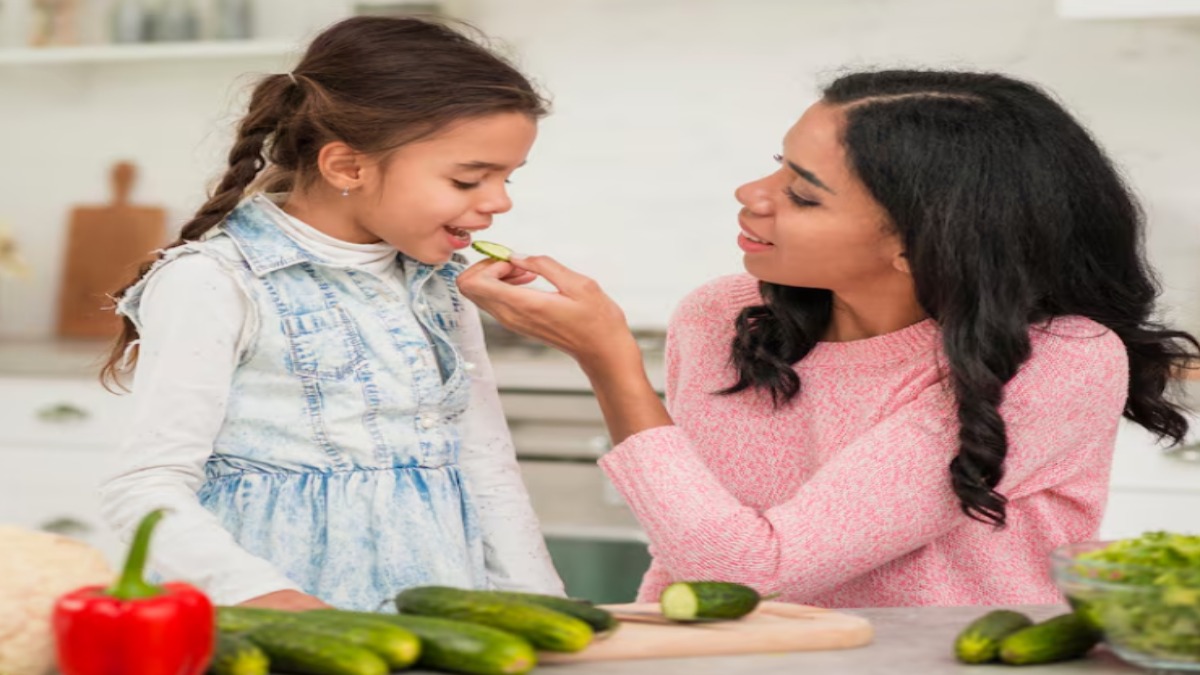
A healthy diet does not mean forcing children to eat only vegetables or completely avoiding their favourite foods. Instead, the goal is to offer a variety of nutritious foods while teaching children how different foods support their bodies.
Build Balanced Meals
A child's meal should ideally include foods from several food groups. Fruits and vegetables provide vitamins, minerals and fibre, while whole grains can provide sustained energy. Protein-rich foods such as pulses, beans, eggs, dairy products, fish, chicken, nuts and seeds support growth and development.
Related Articles


For an Indian family, balanced meals can include options such as dal with rice and vegetables, roti with paneer and salad, idli with sambar, vegetable upma with curd, or dosa accompanied by a protein-rich chutney or sambar.
Portion sizes should be appropriate for the child's age and appetite. Children do not always need the same amount of food as adults.
Encourage Fruits and Vegetables
Try to include different fruits and vegetables throughout the week rather than focusing on just one or two favourites. Colourful produce can make meals more appealing to children.
Related Articles


If your child refuses a particular vegetable, avoid turning mealtimes into a battle. Children may need to see and taste a food several times before accepting it. You can also experiment with preparation methods for example, serving carrots raw, steamed or mixed into a familiar dish.
Choose Nutritious Snacks
Children often need snacks between meals, particularly when they are active. Instead of relying regularly on packaged snacks, offer nutritious choices such as fresh fruit, yoghurt or curd, roasted chickpeas, boiled eggs, homemade sandwiches, nuts where age-appropriate, or vegetable sticks with a suitable dip.
Packaged foods such as biscuits, chips and sugary treats can occasionally be part of a child's diet, but they should not routinely replace more nutritious foods.
Don't Forget Protein and Calcium
Protein is important for children's growth and development. Include sources such as lentils, beans, peas, soy foods, eggs, milk, yoghurt, paneer, fish or lean meat according to your family's dietary preferences.
Calcium and other nutrients are also important for developing bones and teeth. Dairy products are common sources, while some non-dairy foods and fortified products can contribute as well.
Children following vegetarian or vegan diets may need particularly thoughtful meal planning to ensure adequate intake of essential nutrients.
Make Water the Go-To Drink
Good hydration is an important part of healthy eating. Encourage children to drink water regularly, especially during hot weather and physical activity.
Sugary drinks, sweetened juices and soft drinks can add substantial amounts of free sugar without providing the nutritional value of whole fruits. Whole fruit is generally a better choice than fruit-flavoured drinks.
Be a Healthy Eating Role Model
Children often learn by watching adults. If parents regularly eat vegetables, fruits, whole grains and balanced meals, children may be more willing to try them too.
Eating together as a family when possible can also make mealtimes more enjoyable. Keep conversations positive and avoid labelling foods as completely “good” or “bad.” A relaxed approach can help children develop healthier attitudes toward eating.
Avoid Pressuring Children to Clean Their Plates
Children's appetites can vary from day to day. They may eat more when they are going through a growth spurt and less when they are not as hungry.
Rather than insisting that a child finish everything on the plate, parents can provide nutritious choices and allow the child to respond to their hunger and fullness cues. However, persistent feeding difficulties, poor growth or concerns about a child's diet should be discussed with a paediatrician or qualified dietitian.
Limit Distractions During Meals
Whenever possible, encourage children to eat away from television, phones and other screens. Paying attention to food can help children recognise hunger and fullness signals and can make family meals more engaging.
Creating regular meal and snack routines can also help children understand when it is time to eat.
Healthy Eating Should Be Practical and Enjoyable
The healthiest diet for a child is one that is varied, balanced and realistic for the family. Parents do not need to prepare elaborate meals every day. Simple home-cooked foods can provide plenty of nutrition when meals contain a good mix of vegetables or fruit, protein sources, grains and other nutrient-rich foods.
Most importantly, healthy eating should not become a source of stress. Encourage children to explore different foods, involve them in age-appropriate meal preparation and make nutritious choices part of everyday family life.
By creating positive food habits during childhood, parents can give their children an important foundation for healthy growth, development and wellbeing.




Comments 0