
Pregnancy brings a lot of excitement but also a long list of advice from family members, friends, social media and even strangers. Some traditional beliefs about pregnancy are relatively harmless and funny, while some of them are false or dangerous. Although medical science has advanced, the same old wives’ stories about pregnancy are spread from generation to generation.
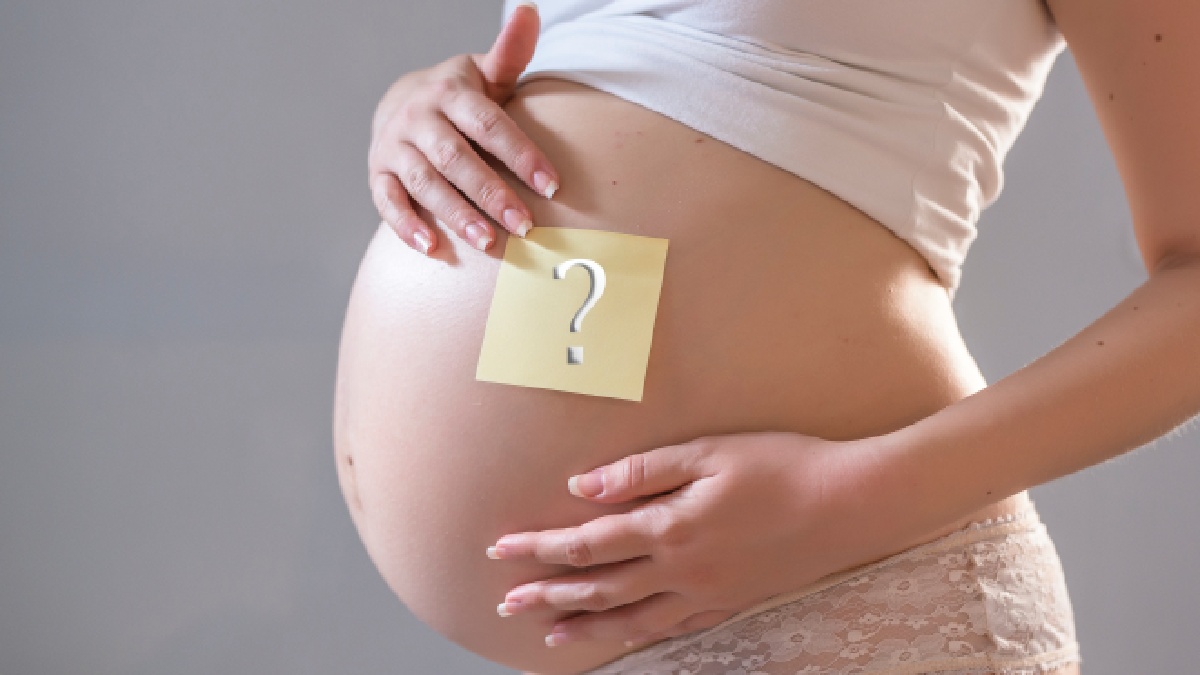
Today’s prenatal care has made it possible for one to monitor a baby’s growth and development with such accuracy. From ultrasound exams to routine blood tests, healthcare professionals are able to identify common characteristics of pregnancy and provide advice based on the evidence and not on folklore. What are the most common pregnancy myths?
1. Pregnant Women Should Avoid Dairy Products And Peanuts
Pregnant women should avoid specific foods, such as dairy and peanuts, because they might cause the baby to develop an allergy, a common belief seems to be. But this is generally not true. Unless the mother has an allergy and her healthcare provider has instructed that she avoid a certain food, these foods should be part of a balanced pregnancy diet.
Related Articles


Pregnancy does require extra attention to food safety. Raw or undercooked meat, raw fish and uncooked eggs may contain harmful bacteria or parasites and should be avoided or properly cooked. Pregnant women should also be following local medical advice regarding high-mercury fish and unpasteurised foods.
2. The Shape Of Your Belly Can Reveal Your Baby's Sex
When pregnant women feel the shape and position of their belly can lead to an abundance of predictions about whether she is having a boy or girl. Other common methods are watching the baby move or holding a wedding ring over her belly.
These are fun guessing games, but they have no scientific basis. The baby's sex cannot be reliably determined by the shape of the bump, cravings, heart rate or movement patterns. In the right way and legally permitted, medical imaging and prenatal tests can give much more reliable information.
Related Articles

3. Exercise Should Be Avoided During Pregnancy
People are advised to rest as much as possible during pregnancy, but pregnancy does not mean that you have to give up physical activity. Most women with relatively healthy pregnancies will experience moderate physical activity as a part of their daily routine.
Walking, swimming, prenatal yoga and other fitness activities may be beneficial to cardiovascular health, muscle strength and overall well-being. But every pregnancy is different. Women with some medical or pregnancy complications may also need to change or avoid certain activities.
4. Morning Sickness Only Happens In The Morning
Morning sickness is not limited to the early hours of the day, despite its name. Pregnancy-related nausea and vomiting can occur during the afternoon or evening.
Hormonal changes in pregnancy are thought to play a role in nausea. Symptoms typically get better with time after the first trimester, especially as the pregnancy progresses, and many women experience symptoms for a shorter duration. But some women might have nausea and vomiting for a long time, and severe or persistent vomiting should not be dismissed as normal morning sickness, as it can lead to dehydration and nutritional problems and requires medical attention.
5. Pregnant Women Must Give Up Their Pets And Gardening
Pregnancy does not mean leaving pets or abandoning the garden, but some precautions are important because exposure to contaminated soil or animal faeces can lead to infections like toxoplasmosis.
Pregnant women should avoid handling cat litter if possible. If they can’t avoid it, wearing disposable gloves and washing hands afterwards can help prevent exposure. Gloves should be worn when gardening, and hands must be washed carefully after handling soil.
6. Nipples Need To Be Toughened Before Breastfeeding
There is no need for most women to toughen or prepare their nipples by rubbing, scrubbing or otherwise manipulating them before childbirth. Breasts naturally change during pregnancy and are better equipped for breastfeeding.
Breastfeeding support after delivery can be much more useful than trying to toughen the nipples beforehand. If a woman has concerns about breastfeeding, discussing them with a midwife, lactation consultant or healthcare professional during pregnancy can help.
7. An Occasional Alcoholic Drink Is Safe During Pregnancy
The notion that a couple of drinks during pregnancy is safe is dangerous. There is still no safe level of alcohol use in pregnancy, and not drinking at all is safest.
Alcohol crosses the placenta and can affect the developing baby. Alcohol exposure has been associated with pregnancy complications and fetal alcohol spectrum disorders that can lead to lifelong physical, behavioural and learning problems. Women who are pregnant or trying to conceive should avoid alcohol and report any previous alcohol exposure to their healthcare provider.
8. Flu Vaccination Should Be Avoided During Pregnancy
Pregnant women may be advised to avoid vaccines, but that can leave both mother and baby at high risk for infection. The injectable seasonal influenza vaccine is recommended during pregnancy in most countries and can protect the mother from potentially serious flu complications.
Pregnancy can increase the risk of severe illness from influenza. Vaccination also provides some protection to newborn babies during their first months of life. Vaccinations should be discussed with the healthcare provider, who can recommend the appropriate vaccines based on their pregnancy and local guidelines.
9. You Need To Eat For Two
"You’re eating for two now" is probably one of the most common pregnancy phrases heard. But that is not to say a pregnant woman should double her food intake.
Although nutritional needs do increase during pregnancy, these are much smaller than most people believe and are dependent on the stage of pregnancy and individual circumstances. Rather than eating large amounts of food, women should consume nutrient-rich food (vegetables, fruits, whole grains, protein, and healthy fats etc.) instead. A doctor or registered dietitian can give customised advice based on the health and pregnancy of a woman and her pregnancy needs.
10. Smoking A Few Cigarettes Is Safe During Pregnancy
There’s no safe level of cigarette smoking during pregnancy. Cutting down may be a step toward quitting, but it does not eliminate the risks associated with tobacco exposure.
Smoking during pregnancy can reduce the amount of oxygen available to the developing baby and is associated with complications such as poor fetal growth, low birth weight, premature birth and problems with lung development. It can also increase the risk of sudden unexpected death in infancy. Pregnant women should talk to their healthcare provider for safe, evidence-based support for quitting.
The advice, predictions and traditional beliefs in pregnancy can be filled with advice, predictions and conventional beliefs, but not everything that sounds familiar is medically accurate. It is safest to consult doctors, nutritionists and trusted medical professionals when making decisions about nutrition, exercise, medications, vaccinations and lifestyle during pregnancy. Every pregnancy is unique, so women should seek specialist medical advice whenever they are unsure about what is safe for themselves or their baby.




Comments 0