
Pregnancy planning is a very important step for anyone who is at an early stage of starting or expanding a family. Preparation for pregnancy before conception can be beneficial for the mother and for the baby and reduce the chances of complications. Good planning involves good lifestyle habits, seeking medical advice, knowing one’s fertility, and being emotionally and financially prepared.

And because every pregnancy is not the same, taking steps in the right direction before conception can make pregnancy a lot more likely and a good pregnancy and birth experience for you better. Whether you are having your first baby or another addition to your family, preparations for pregnancy are essential and should be made in the months before you are on the ground floor of your plan to have your first baby or if you need to make a baby, or a second baby or baby’s birth plan for your family.
What is pregnancy planning
Pregnancy planning (also known as preconception care) is the goal of maintaining good health before getting pregnant. The key organs of a baby are usually formed during the first few weeks of pregnancy, and the mother usually knows she is pregnant before she is even aware.
Related Articles

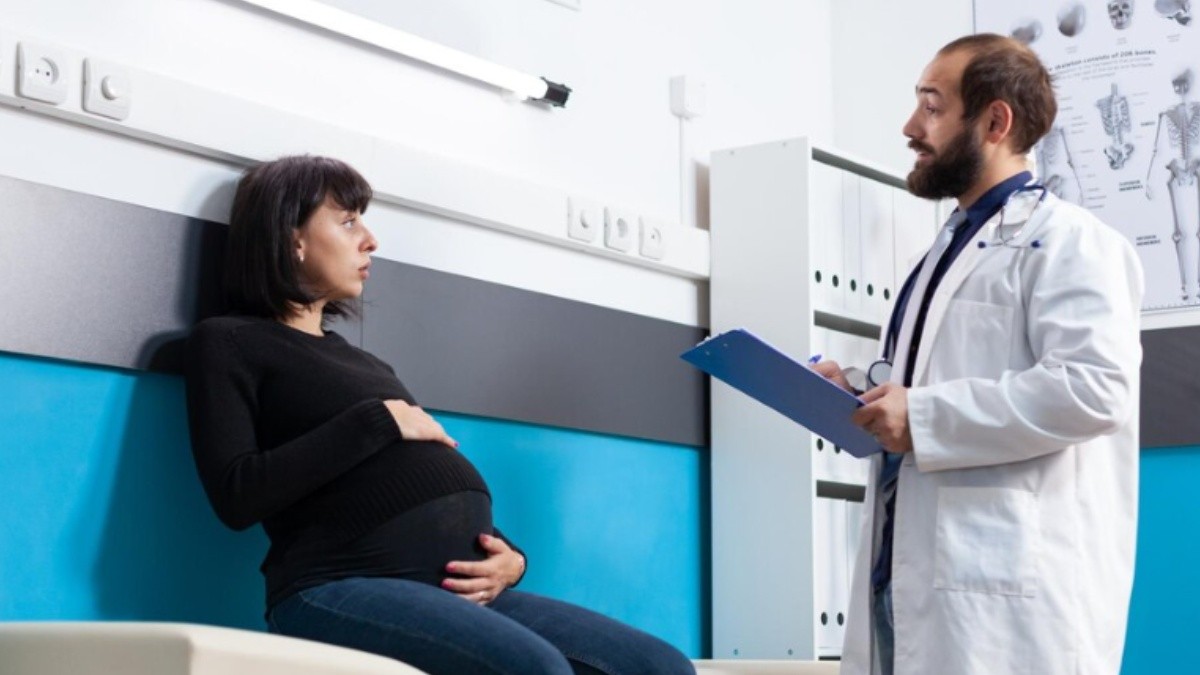
Pregnancy planning has some of the benefits such as:
- Supporting healthy fetal development
- Reducing the risk of some birth defects
- Enhancing fertility
- Managing existing health issues
- Providing a healthier pregnancy and delivery
- Helping parents prepare emotionally and financially
Early preparation enables couples to also establish family objectives together and make informed decisions together.
Visit a Healthcare Provider
A preconception health checkup is one of the first and most important steps in pregnancy planning. And when you go to the hospital a doctor will review your medical history, your overall health and any things that could affect pregnancy and discuss any factors that can affect it.
Related Articles


The appointment may include:
- Reviewing current medications
- Checking blood pressure and weight
- Discussing past pregnancies
- Screening for chronic illnesses
- If needed vaccinations if necessary
- Discussing family medical history
- Offering advice on nutrition and lifestyle
You can have diabetes, thyroid disease, epilepsy, or high blood pressure in pregnancy, and the proper management before it starts is very important if you have it.
Folic Acid and Prenatal Vitamins
Folic acid is commonly advised before conception and early pregnancy and medical professionals do so as well. Folic acid facilitates the brain and spinal cord development of the baby and can minimize the chances of neural tube defects.
Prenatal vitamins may also contain important nutrients such as:
- Iron
- Calcium
- Vitamin D
- Iodine
- Vitamin B12
- DHA
Always take supplements as your healthcare provider’s advice.
Follow a Healthy Diet
Fertility and pregnancy are at the top of a list if we have proper nutrition. A healthy lifestyle also supplies the human body with the nutrients to prepare for pregnancy and ensure the baby’s growth.
Include foods such as:
- Fresh fruits and vegetables
- Whole grains
- Lean proteins
- Low-fat dairy products or fortified alternatives
- Nuts and seeds
- Healthy fats like olive oil and avocados
Foods that are high in saturated fats, processed foods, sugary drinks should be avoided. Staying hydrated by drinking enough water throughout the day is also important.
Maintain a Healthy Weight
Underweight or overweight women may have lower fertility and increased pregnancy risk. A healthy weight before the start of pregnancy can improve reproductive health.
Healthy habits include:
- Eating balanced meals
- Exercising regularly
- Getting enough sleep
- Managing stress effectively
Do not extreme diet or exercise too much if you are trying to conceive.
Stay Physically Active
Regular physical activity is good for both physical and mental health. Moderate exercise promotes good circulation, maintain a healthy weight, and reduce stress.
Suitable activities include:
- Walking
- Swimming
- Cycling
- Yoga
- Light strength training
Consult your healthcare provider before starting a new exercise program, especially if you have any medical conditions.
Avoid Harmful Substances
Some substances can adversely affect fertility and pregnancy outcomes. Before trying to conceive, it is advisable to:
- Quit smoking and avoid secondhand smoke
- Avoid alcohol if you are trying to get pregnant
- Don’t consume recreational drugs
- Limit caffeine based on your healthcare provider’s advice
- You should avoid exposure to harmful chemicals and environmental toxins when possible
Such changes can improve maternal and fetal health.
Learn About Your Fertility
When you know your menstrual cycle and ovulation, you will be able to identify your most fertile days. Tracking your cycle can increase the chances of conception.
Helpful methods include:
- Monitoring menstrual cycles
- Tracking ovulation symptoms
- Using ovulation predictor kits
If conception is taking longer than expected, talk to a healthcare provider.
Age, lifestyle, or some medical conditions can influence fertility.
Prioritize Mental Health
Emotional well-being is just as important as physical health. Preparation for pregnancy is also very exciting and can also bring stress or anxiety.
Support your mental health by:
- Getting adequate sleep
- Practicing relaxation techniques
- Maintaining strong relationships
- Talking openly with your partner
- Seeking professional support if needed
A positive emotional environment will benefit both parents and the future child.
Prepare Financially
A baby comes with extra costs and responsibilities. Financial planning before pregnancy can reduce stress later.
Consider:
- Reviewing health insurance coverage
- Creating a household budget
- Building an emergency savings fund
- Planning maternity or parental leave
- Estimating childcare costs
With financial preparedness, families can focus on the care of their new baby.
Create a Safe Home Environment
Preparing your home is also a key part of pregnancy planning. Keep clean and smoke-free environments and minimize exposure to harmful chemicals. Good food hygiene and home safety are also important in pregnancy.
Pregnancy planning is an investment in both the health and well-being of both parents and the future child. A preconception checkup, healthy food, prenatal vitamins, active lifestyle, stress management, and preparing emotionally and financially for pregnancy can help prospective parents to have a good pregnancy.
Every pregnancy is different, so personalized advice from a qualified healthcare provider is essential. With careful planning and informed choices, you can begin your pregnancy journey with confidence and provide the best possible start for your growing family.




Comments 0