
Pregnancy brings remarkable changes to the body, and the skin is often one of the first places where they become visible. Hormonal fluctuations, increased blood flow, stretching of the skin and changes in immune function can all influence how the skin looks and feels.
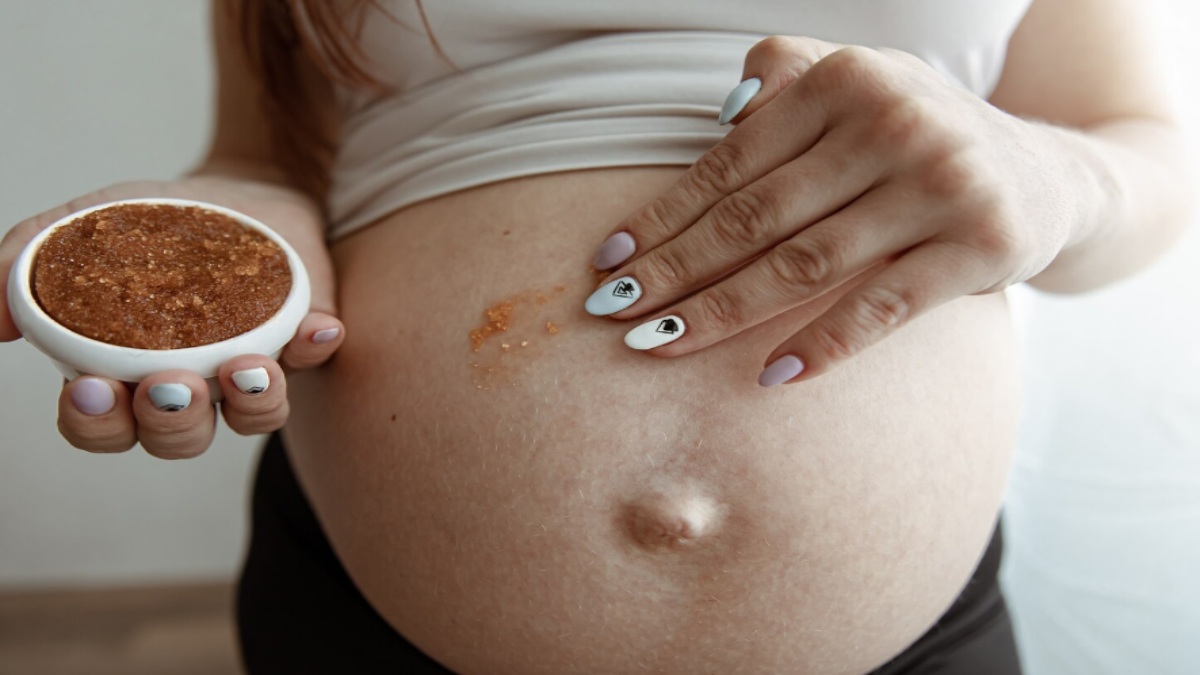
Some changes are so common that they are considered a normal part of pregnancy. Darker pigmentation, stretch marks, acne and increased sweating, for example, often improve after childbirth or as hormone levels return toward their usual state.
However, not every pregnancy-related skin change should simply be dismissed as hormonal. Certain rashes, severe itching or rapidly developing symptoms can sometimes be associated with conditions that require medical assessment.
Related Articles

Here are seven common pregnancy skin changes that generally improve over time, followed by three signs that deserve medical attention.
1. Darkening of the Skin
Hormonal changes during pregnancy can increase melanin production, causing certain areas of the skin to become darker. The nipples, areolas, genital area and existing moles may become more pigmented.
A dark line called the linea nigra can also develop vertically down the abdomen. These changes are usually harmless and often become less noticeable after delivery, although some pigmentation may persist.
Related Articles

Protecting the skin from excessive sun exposure can help prevent pigmentation from becoming more pronounced.
2. Melasma or the "Mask of Pregnancy"
Melasma causes brown or greyish patches, particularly on the face. It commonly appears on the cheeks, forehead, nose or upper lip and is associated with hormonal changes and sun exposure.
Although melasma often becomes lighter after pregnancy, it may not disappear completely.
Daily broad-spectrum sun protection and physical sun protection, such as hats and shade, can help reduce further pigmentation. Pregnant women should discuss any active treatment for melasma with their healthcare professional because not all skin-lightening ingredients are appropriate during pregnancy.
3. Stretch Marks
As the abdomen, breasts, hips and other areas expand, stretch marks, or striae, may develop. They can initially appear pink, red, purple or darker than the surrounding skin before gradually becoming lighter.
Stretch marks are extremely common and are influenced by factors including genetics, hormonal changes and the degree of skin stretching.
They cannot always be prevented, even with regular moisturising. After pregnancy, they often become less noticeable over time.
4. Acne and Oily Skin
Pregnancy hormones can stimulate oil production, causing acne or increased skin oiliness in people who previously had clear skin.
A gentle skincare routine can help. However, pregnant women should be careful when selecting acne treatments. Some ingredients commonly used for acne are not recommended during pregnancy, so it is advisable to consult a doctor or dermatologist before starting prescription or intensive treatments.
5. Increased Skin Sensitivity
Some expectant mothers notice that their skin becomes more sensitive, dry or easily irritated. Products that were previously comfortable may suddenly cause burning, redness or itching.
Switching to gentle, fragrance-free cleansers and moisturisers can help support the skin barrier. Avoiding unnecessary exfoliation and strongly fragranced products may also reduce irritation.
6. Small Skin Tags
Pregnancy can sometimes lead to the development of skin tags, particularly around the neck, underarms and other areas where skin rubs together.
These small, soft growths are generally harmless. Some may shrink or become less noticeable after pregnancy, although others can remain.
They should not be cut or removed at home. A dermatologist can assess and safely remove bothersome skin tags if necessary.
7. Increased Sweating and Visible Blood Vessels
Higher blood volume and hormonal changes can make some pregnant women feel warmer and sweat more than usual. Increased blood flow may also make small blood vessels more visible, particularly on the chest or face.
These changes are generally not dangerous and may settle after pregnancy.
Staying hydrated, wearing breathable clothing and keeping the skin comfortable can help manage increased sweating.
3 Pregnancy Skin Signs That Need Medical Attention
While many skin changes are harmless, certain symptoms should prompt a conversation with a healthcare professional.
1. Severe or Persistent Itching Without a Rash
Intense itching during pregnancy, particularly on the palms and soles and without an obvious rash, should not be ignored.
It can sometimes be associated with intrahepatic cholestasis of pregnancy (ICP), a liver condition that requires medical evaluation and monitoring. Other symptoms can occur, but severe itching may be the main complaint.
If itching is intense, persistent or interfering with sleep, contact your maternity care provider rather than attempting to treat it solely with skincare products.
2. A Rapidly Spreading or Severe Rash
Some pregnancy-specific rashes can be uncomfortable but harmless, while others require evaluation to determine the cause.
A rash that spreads rapidly, becomes painful, develops blisters, is accompanied by fever or makes you feel significantly unwell should be assessed by a healthcare professional.
Do not assume that every new pregnancy rash is simply an allergy or a normal hormonal change.
3. Skin Changes Accompanied by Other Concerning Symptoms
A skin change becomes particularly important when it occurs alongside symptoms such as severe headache, vision changes, sudden swelling, upper abdominal pain or high blood pressure.
These symptoms can occur with pregnancy complications such as pre-eclampsia and require prompt medical assessment. The skin itself may not be the cause, but accompanying symptoms can provide an important warning that should not be overlooked.
When Should You Contact a Doctor
Pregnancy can make it difficult to determine whether a new symptom is normal. If a skin change is sudden, severe, persistent or accompanied by other unusual symptoms, contacting your obstetrician, midwife, dermatologist or maternity care team is the safest approach.
Avoid starting prescription medicines, strong acne treatments or skin-lightening products without checking whether they are appropriate during pregnancy.
Pregnancy skin changes are common and often temporary. Darkened pigmentation, melasma, stretch marks, acne, sensitivity, skin tags and increased sweating can all occur as the body adapts to pregnancy and may improve after delivery.
At the same time, severe unexplained itching, significant rashes and skin symptoms accompanied by other concerning pregnancy symptoms deserve medical attention. Knowing the difference between expected changes and potential warning signs can help expectant mothers feel more confident about when to seek professional advice.
Every pregnancy is different, so persistent or worrying symptoms should always be discussed with a qualified healthcare professional rather than self-diagnosed.




Comments 0