
Pregnancy is one of the most remarkable journeys in a woman's life. It is a period of physical, emotional, and hormonal changes as the body nurtures and supports the growth of a new life. Every pregnancy is unique, and while it can be filled with excitement and anticipation, it may also bring questions, challenges, and adjustments.

A healthy pregnancy depends on a combination of regular prenatal care, balanced nutrition, physical activity, emotional support, and informed decision-making. By adopting healthy habits and staying connected with healthcare providers, pregnant mothers can support their own well-being and create the best possible environment for their developing baby.
Understanding Pregnancy
Pregnancy typically lasts about 40 weeks, beginning from the first day of the last menstrual period and is divided into three trimesters.
Related Articles


First Trimester (Weeks 1–12)
The first trimester is a critical stage of fetal development. During this period, the baby's major organs begin to form. Many women experience symptoms such as:
- Morning sickness
- Fatigue
- Tender breasts
- Frequent urination
- Mood changes
- Food cravings or aversions
Early prenatal visits are essential to confirm the pregnancy, estimate the due date, and assess the mother's overall health.
Second Trimester (Weeks 13–27)
Often called the "honeymoon phase" of pregnancy, many women feel more energetic during the second trimester. The baby continues to grow rapidly, and fetal movements usually become noticeable.
Related Articles

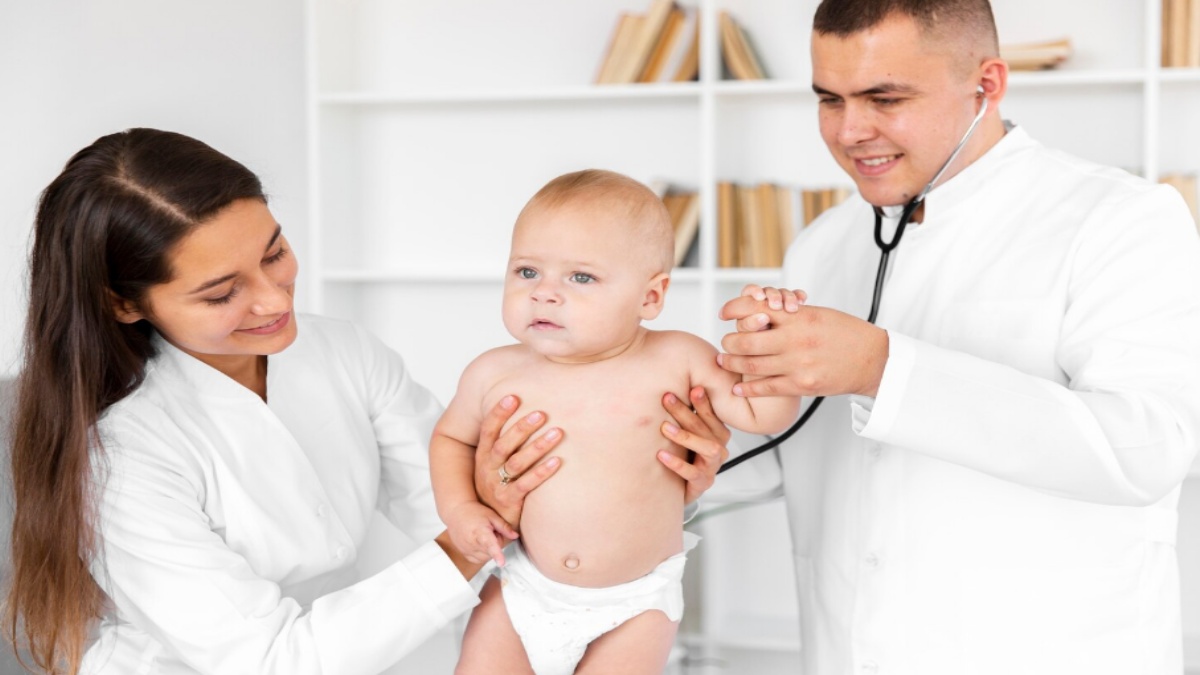
Routine check-ups may include ultrasound examinations, blood pressure monitoring, and screening tests recommended by the healthcare provider.
Third Trimester (Weeks 28–40)
In the final months, the baby gains weight and prepares for birth. Mothers may experience:
- Back pain
- Swelling of the feet and ankles
- Heartburn
- Difficulty sleeping
- Shortness of breath
- Frequent Braxton Hicks contractions
Regular prenatal appointments help monitor both maternal and fetal health as delivery approaches.
The Importance of Prenatal Care
Prenatal care is one of the most important aspects of a healthy pregnancy. Regular visits allow healthcare providers to monitor the baby's development and identify any potential concerns early.
Prenatal care commonly includes:
- Blood pressure checks
- Weight monitoring
- Urine and blood tests
- Ultrasound scans
- Screening for gestational diabetes when appropriate
- Monitoring fetal growth and heartbeat
Attending all scheduled appointments helps support a healthier pregnancy.
Eating a Balanced Diet
Nutrition plays a vital role during pregnancy. A balanced diet provides the nutrients needed for both the mother and the developing baby.
Healthy foods include:
- Fresh fruits and vegetables
- Whole grains
- Lean proteins such as beans, lentils, fish (low in mercury), poultry, and eggs
- Dairy products or fortified alternatives
- Healthy fats from nuts, seeds, and avocados
Important nutrients during pregnancy include:
- Folic acid, which supports early fetal development and helps reduce the risk of certain neural tube defects
- Iron, which helps prevent anemia
- Calcium, which supports the baby's developing bones and teeth
- Vitamin D, which aids calcium absorption
- Protein, which supports fetal growth
Pregnant women should follow their healthcare provider's advice regarding prenatal vitamins and dietary supplements.
Staying Active During Pregnancy
For many women with uncomplicated pregnancies, regular physical activity is beneficial. Exercise may help:
- Improve mood
- Reduce back pain
- Support healthy weight gain
- Improve sleep
- Enhance overall fitness
Suitable activities may include:
- Walking
- Swimming
- Prenatal yoga
- Low-impact aerobic exercise
- Gentle stretching
Always consult a healthcare provider before starting or continuing an exercise program during pregnancy.
Emotional Well-Being Matters
Pregnancy brings emotional as well as physical changes. Hormonal fluctuations, lifestyle adjustments, and concerns about childbirth and parenting can affect mental health.
To support emotional well-being:
- Share your feelings with loved ones
- Join prenatal or parenting support groups
- Practice relaxation techniques such as deep breathing or meditation
- Get adequate rest
- Seek professional support if you experience persistent anxiety, depression, or overwhelming stress
Mental health is an important part of prenatal care.
Healthy Lifestyle Habits
Pregnant mothers can support a healthy pregnancy by:
- Staying hydrated
- Sleeping 7–9 hours each night when possible
- Avoiding smoking and exposure to secondhand smoke
- Avoiding alcohol and recreational drugs
- Taking medications only under medical supervision
- Limiting caffeine according to healthcare guidance
- Practicing good hygiene to reduce the risk of infections
Warning Signs That Need Immediate Medical Attention
Seek prompt medical care if you experience:
- Heavy vaginal bleeding
- Severe abdominal pain
- Persistent severe headache
- Blurred vision
- Sudden swelling of the face or hands
- Leakage of fluid before labor
- Decreased fetal movements later in pregnancy
- High fever
- Painful contractions before full term
Early medical attention can help protect both mother and baby.
Preparing for Childbirth
As the due date approaches, preparing for labor can help reduce anxiety.
Helpful steps include:
- Attending childbirth education classes
- Packing a hospital bag in advance
- Discussing a birth plan with your healthcare provider
- Learning about breastfeeding and newborn care
- Arranging support for the postpartum period
Flexibility is important, as labor and delivery may not always go exactly as planned.
The Role of Family Support
The support of partners, family members, and friends can make a meaningful difference during pregnancy.
Practical ways loved ones can help include:
- Accompanying prenatal appointments
- Assisting with household tasks
- Providing emotional encouragement
- Supporting healthy lifestyle choices
- Helping prepare for the baby's arrival
A strong support system contributes to a more positive pregnancy experience.
Pregnancy is a life-changing journey that requires care, patience, and attention to both physical and emotional health. By attending regular prenatal check-ups, eating a nutritious diet, staying active when medically appropriate, and seeking timely medical advice for any concerns, pregnant mothers can support their own well-being and their baby's healthy development.




Comments 0