
Pregnancy is an exciting and life-changing experience, and for many women, it coincides with maintaining a professional career. Most women with healthy pregnancies can continue working safely throughout much or all of their pregnancy, provided their work environment is appropriate and they receive proper prenatal care. However, pregnancy brings physical and emotional changes that may require adjustments to daily work routines.

Understanding how to manage work responsibilities while protecting your health and your baby's well-being can help make pregnancy more comfortable and less stressful. Whether you work in an office, from home, or in a physically demanding role, taking the right precautions is essential.
Can You Work During Pregnancy
In most uncomplicated pregnancies, continuing to work is considered safe. Many women work until close to their due date. However, every pregnancy is unique. Factors such as your overall health, pregnancy-related complications, and the nature of your job should be discussed with your healthcare provider.
Related Articles
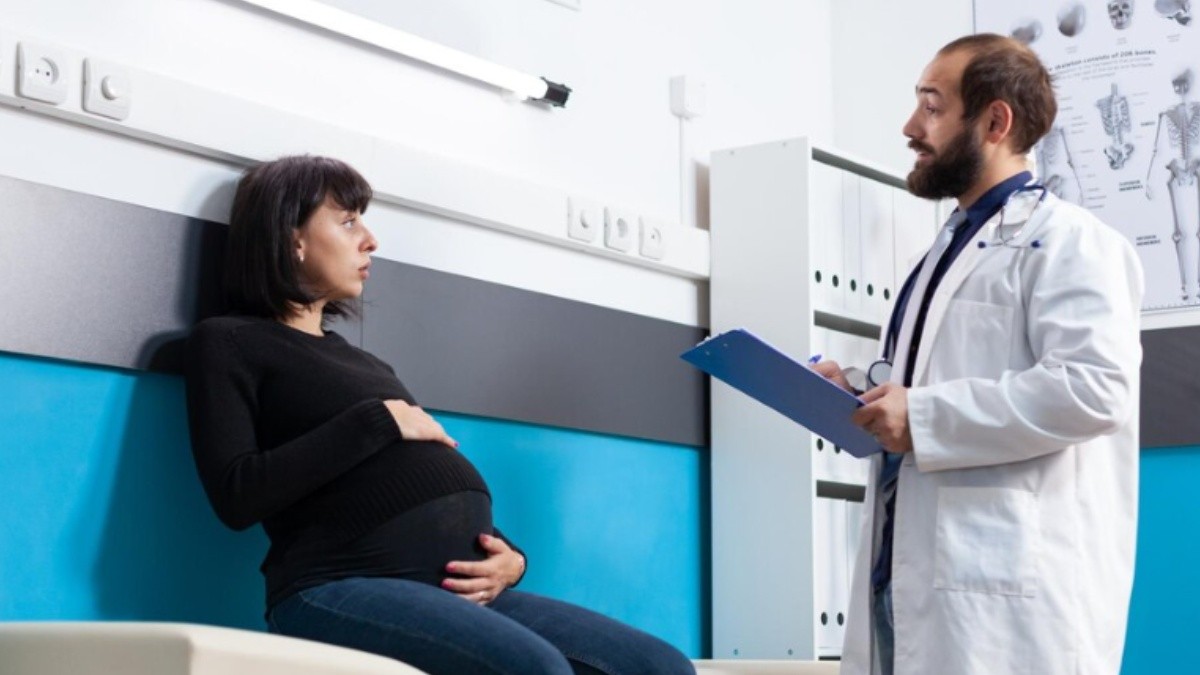

Women with conditions such as high blood pressure, gestational diabetes, placenta previa, preterm labor risk, or multiple pregnancies may require modified duties or additional medical guidance.
Common Challenges of Working While Pregnant
Pregnancy symptoms can make a normal workday more demanding. Some common challenges include:
- Morning sickness and nausea
- Fatigue and reduced energy
- Back pain
- Swollen feet and ankles
- Frequent urination
- Difficulty concentrating due to hormonal changes
- Increased sensitivity to heat
Planning your workday around these symptoms can improve comfort and productivity.
Related Articles


Tips for Staying Healthy at Work During Pregnancy
1. Maintain Good Posture
If your job involves prolonged sitting, use an ergonomic chair that supports your lower back. Keep your feet flat on the floor or on a footrest and avoid crossing your legs for long periods.
2. Take Regular Breaks
Avoid sitting or standing continuously for several hours. Take short breaks every 30–60 minutes to stretch, walk around, and improve circulation.
3. Stay Hydrated
Drink plenty of water throughout the day to reduce dehydration, fatigue, and headaches. Keeping a reusable water bottle at your desk can help you remember to drink regularly.
4. Eat Healthy Snacks
Pregnancy increases nutritional needs. Healthy snacks such as fruits, yogurt, nuts, whole-grain crackers, or vegetables can help maintain energy levels and reduce nausea.
5. Wear Comfortable Clothing
Choose breathable clothing and supportive footwear to reduce swelling and improve comfort during long workdays.
6. Avoid Heavy Lifting
Heavy lifting may increase physical strain, particularly later in pregnancy. Use proper lifting techniques or ask for assistance when needed.
Workplace Safety During Pregnancy
Some workplaces expose employees to physical, chemical, or biological hazards that may require additional precautions.
Potential workplace risks include:
- Toxic chemicals
- Radiation exposure
- Infectious diseases
- Excessive heat
- Loud noise
- Heavy physical labor
- Long periods of standing
- Night shifts in some occupations
If your work involves any of these risks, speak with your employer and healthcare provider about possible adjustments to your duties.
Managing Stress at Work
Stress is a normal part of many jobs, but excessive stress may affect your overall well-being. While research on stress and pregnancy outcomes is ongoing, reducing unnecessary stress can support your health.
Helpful stress-management techniques include:
- Practicing deep breathing exercises
- Taking short walks during breaks
- Prioritizing important tasks
- Delegating work when possible
- Maintaining open communication with supervisors
- Getting adequate sleep each night
Mindfulness and relaxation exercises can also improve emotional well-being.
Understanding Your Workplace Rights
Many countries have laws that protect pregnant employees from discrimination and provide maternity-related benefits. Depending on where you live, these protections may include:
- Reasonable workplace accommodations
- Maternity leave
- Protection against pregnancy discrimination
- Paid or unpaid parental leave
- Time off for prenatal medical appointments
Check your local labor laws and your organization's policies to understand your rights and available benefits.
When Should You Speak With Your Employer
Many women choose to inform their employer after the first trimester, though the timing is a personal decision unless accommodations are needed earlier.
Informing your employer allows time to discuss:
- Flexible working hours
- Remote work options
- Reduced physical duties
- Medical appointments
- Maternity leave planning
- Temporary workload adjustments
Open communication often makes planning easier for both the employee and employer.
When to Contact Your Healthcare Provider
Seek prompt medical advice if you experience any concerning symptoms while at work or otherwise, such as:
- Vaginal bleeding
- Leakage of fluid
- Regular contractions before term
- Severe abdominal pain
- Persistent dizziness or fainting
- Severe headaches or vision changes
- Reduced fetal movements (later in pregnancy)
Do not ignore symptoms that feel unusual or severe.
For most women with healthy pregnancies, continuing to work is both safe and manageable. The key is listening to your body, attending regular prenatal appointments, maintaining healthy workplace habits, and communicating openly with your employer when adjustments are needed. Every pregnancy is different, so personalized guidance from your healthcare provider is essential.




Comments 0