
Children often learn to understand the world from the people in the world, and their parents and their caregivers, in particular, are the ones they observe around them. They learn how adults respond to advice or directions and how adults know when it comes to their children’s feelings, how they react and how they respond emotionally, solve problems and what they do in relation to other people often before children are able to fully understand advice or instructions.
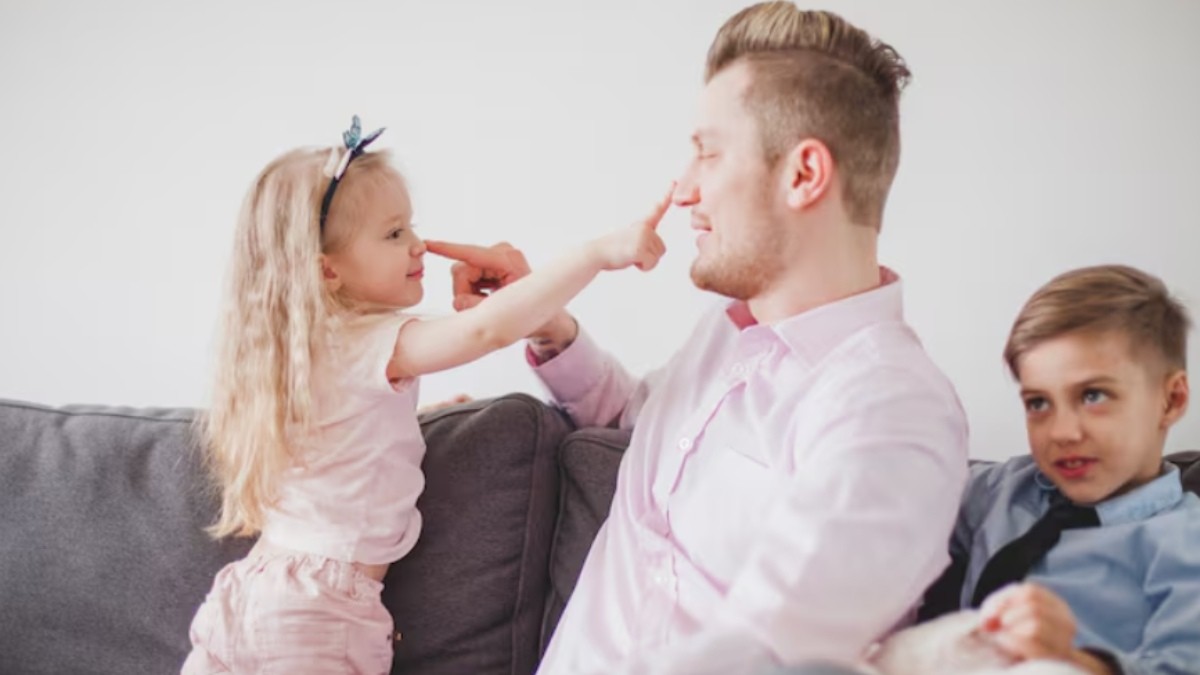
This is why parenting is not only about what parents tell their children. Everyday behaviour can also be a source of learning.
Children Learn Through Observation
Parents are among the earliest role models in a child’s life. Children can watch how their parents respond to stress, disagreements, success and disappointment.
Related Articles


For example, a parent who calmly discusses issues can show constructive communication. And more generally, showing kindness and consideration for others can help kids to appreciate respectful behaviour.
Children don’t necessarily copy every behaviour they are exposed to, but repeated patterns can influence what they come to think of as normal.
Emotional Responses Can Leave an Impression
Children are sensitive to the emotional atmosphere around them. They may detect whether adults regularly express affection or communicate openly or react strongly to the daily difficulties.
Related Articles


Parents don’t have to hide every negative emotion. Showing healthy ways of handling emotions can be useful lessons. Saying you’re frustrated and then waiting for a few minutes to calm down can teach children that difficult emotions are human and that they will be managed with respect.
Attitudes Toward Mistakes
Parents’ responses to mistakes can influence the way children approach challenges. If mistakes are treated as failures, kids may be reluctant to try new things.
If parents recognize mistakes as opportunities to learn, children are more likely to take a more constructive attitude towards setbacks. Encouraging effort while acknowledging difficulties can help establish a supportive environment for learning.
Values Are Often Demonstrated, Not Just Explained
Parents may tell their children to be honest, respectful and responsible, but children also observe whether adults practice those values themselves.
Small everyday acts can communicate powerful messages. Making promises, apologising after making a mistake, helping someone in need or treating service workers respectfully can demonstrate values in practical ways.
Communication Shapes Family Relationships
Parental communication with each other and with their children influences family dynamics. Listening without dismissing someone’s feelings in the first place can teach children to take in different points of view.
In family life, disagreements are virtually inevitable. They can be had without insults or humiliation and show that people can disagree while still maintaining respect.
Parents Are Not Expected to Be Perfect
Hence being a role model is not about being flawless. Parents make mistakes, lose patience and sometimes make decisions they later reconsider.
In fact, learning to admit mistakes can be a really important lesson. When a parent says sorry and explains what they would do differently, children learn that accountability and repair are part of healthy relationships.
Creating Positive Examples
Parents can consciously create opportunities for positive learning by showing empathy, practicing healthy communication and encouraging curiosity.
Spending meaningful time together, listening to children’s concerns and allowing them independence is also important for a parent-child relationship.
The Lasting Influence of Everyday Behaviour
Children develop their identity through family, friends, teachers, culture and the world. Parents are not the only influence, but their everyday behaviour can be really important.
Ultimately, parenting is not only about giving instructions. It is also about showing through everyday actions the values and behaviour parents want their children to carry into their own lives.




Comments 0