
Dating apps have transformed the way people meet, communicate and form relationships. Applications designed to help people find romantic partners can be useful for singles, but their presence can create complicated questions when someone is already married.
For some couples, dating apps may have little impact on their relationship. For others, continued use can become a source of secrecy, insecurity, emotional distance or conflict. The technology itself is not necessarily the problem. The greater concern is how couples use it and whether both partners agree on appropriate digital boundaries.
Understanding the potential risks of dating apps in marriage can help couples protect trust, communicate openly and recognize problems before they become more serious.
Related Articles


1. Secretive Communication
One of the biggest risks is secrecy. If a married person creates or maintains a dating-app profile without their partner's knowledge, it can undermine trust even if they claim they are not meeting anyone.
Secret conversations, hidden notifications, deleted messages or unexplained changes in phone behaviour can create suspicion.
Healthy relationships depend on honesty. Couples should be able to discuss online interactions without feeling that everything has to be hidden.
Related Articles

2. Emotional Infidelity
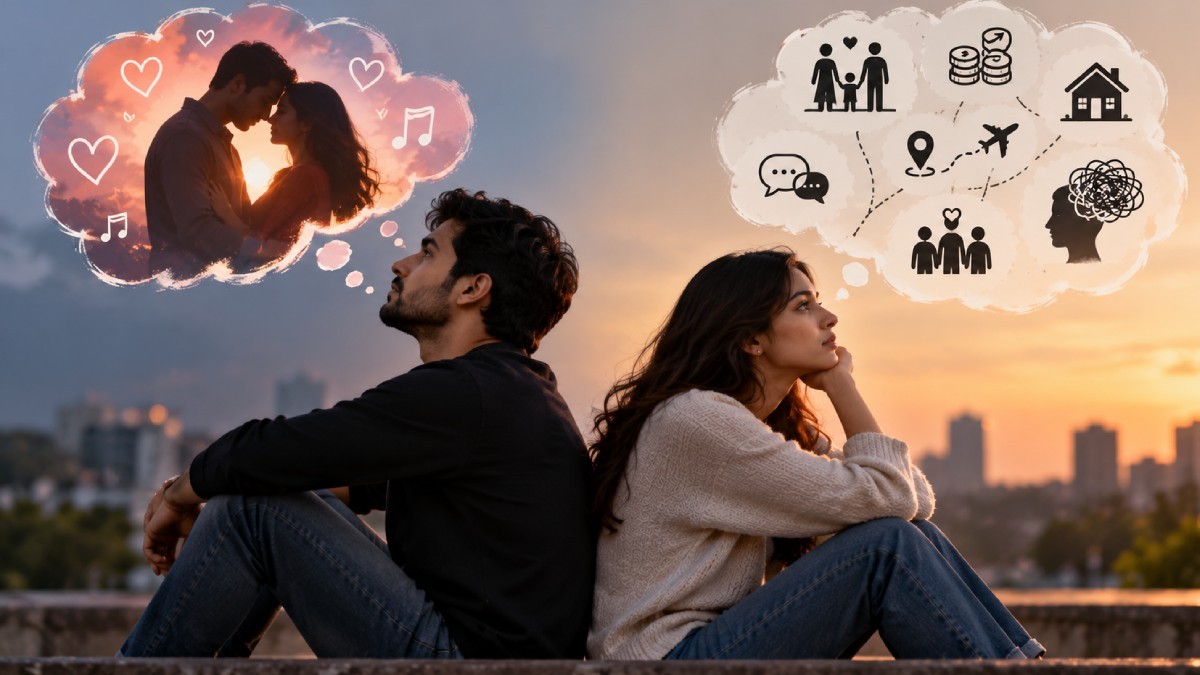
Not every form of infidelity involves a physical relationship. Emotional intimacy with someone outside the marriage can also create problems.
A person may begin sharing personal experiences, frustrations, romantic thoughts or private details with someone they meet through an app. Over time, the emotional connection can become more important than the connection with their spouse.
The boundaries of emotional infidelity differ between couples, which makes communication especially important.
3. Loss of Trust
Trust can be difficult to rebuild once it has been damaged. Discovering that a spouse has been using a dating app secretly may lead to questions about what else has been hidden.
Even when there has been no physical affair, secrecy itself can become a major source of hurt.
Couples should discuss expectations around dating apps, social media and private messaging before misunderstandings develop.
4. Unrealistic Expectations
Dating apps are designed around profiles, photographs and quick judgments. Users may encounter carefully selected images and descriptions that present an idealized version of someone's life.
For a married person, repeated exposure to these profiles can encourage unrealistic comparisons with their spouse or relationship.
Real marriages naturally include routine, disagreements, responsibilities and difficult periods. Comparing a long-term relationship with the highly curated presentation of strangers can create dissatisfaction that may not reflect reality.
5. The Search for Validation
Some people may use dating apps primarily for attention, compliments or validation rather than an intention to pursue another relationship.
However, repeatedly seeking romantic attention outside the marriage can still affect the relationship. If external validation becomes more rewarding than communication with a spouse, emotional distance may gradually increase.
Understanding the reason behind app use is therefore important.
6. Communication Problems
A marriage requires honest communication, but digital interactions can sometimes become a substitute for difficult conversations at home.
Someone who feels lonely, frustrated or unappreciated may turn to conversations with strangers instead of discussing those feelings with their partner.
This may provide temporary emotional relief while leaving the original marital problem unresolved.
7. Privacy and Security Risks
Dating apps can involve significant personal information, including photographs, location details, contact information and private conversations.
Sharing sensitive information with strangers can create privacy and security risks. Fake profiles, scams, identity theft and manipulation are possible on online platforms.
Couples should be cautious about sharing financial information, home addresses, passwords or intimate photographs with people they have not met and verified.
8. Dating-App Addiction and Excessive Use
Repeatedly checking profiles, messages and notifications can become a habit. Excessive use may take time away from a spouse, family responsibilities, work and sleep.
Even if a person does not intend to pursue another relationship, constant attention to a dating platform can affect the quality of their marriage.
Setting reasonable digital boundaries can help prevent apps from taking over daily life.
9. Misunderstandings About Intentions
Online communication lacks many of the cues available during face-to-face conversations. A message may be interpreted differently depending on the reader's expectations.
Flirting that one person considers harmless may be viewed as a serious boundary violation by their spouse.
Couples should avoid assuming that their partner automatically shares the same definition of acceptable online behaviour.
10. Physical Infidelity
In some cases, online conversations can eventually lead to face-to-face meetings. A relationship that begins with casual messaging may become romantic or sexual.
This is why clear boundaries matter. If a dating app is being used secretly for romantic or sexual interactions, the situation can pose a significant threat to the marriage.
How Couples Can Protect Their Marriage
The best protection is open communication. Couples can discuss what they consider appropriate online behaviour and establish mutually agreed boundaries.
These conversations might include whether dating apps should be used at all, what types of private messages are acceptable, whether flirting counts as crossing a boundary and how each partner feels about friendships with people met online.
Privacy should also be respected. Healthy transparency does not necessarily mean demanding passwords or monitoring every message. Instead, it means creating an environment where partners do not feel the need to maintain secret romantic lives online.
What If a Dating App Has Already Caused Conflict
If dating-app use has already damaged trust, avoiding the issue may make matters worse. Couples should discuss what happened honestly and focus on understanding the underlying problem.
If communication repeatedly breaks down, a qualified couples counsellor or therapist may provide a neutral environment for addressing trust, boundaries and relationship expectations.
Rebuilding trust can take time, particularly when secrecy or betrayal has occurred. Both partners need to be willing to communicate and work toward mutually acceptable boundaries.
Dating apps can create unique challenges for married couples, particularly when they are used secretly or for romantic attention outside the relationship. Emotional infidelity, secrecy, loss of trust, privacy concerns, excessive app use and unrealistic expectations are among the risks couples should understand.
Technology does not determine the strength of a marriage; the choices people make with technology do. Honest communication, mutual respect and clearly defined digital boundaries can help couples protect their relationship while navigating an increasingly connected online world.




Comments 0