
Parents naturally want to protect their children, guide them through challenges and help them succeed. However, when parental involvement becomes excessive, it can unintentionally make it harder for children to develop independence. This style of parenting is often described as helicopter parenting, a term used for parents who closely monitor their children and frequently step in to prevent difficulties, solve problems or make decisions on their behalf.
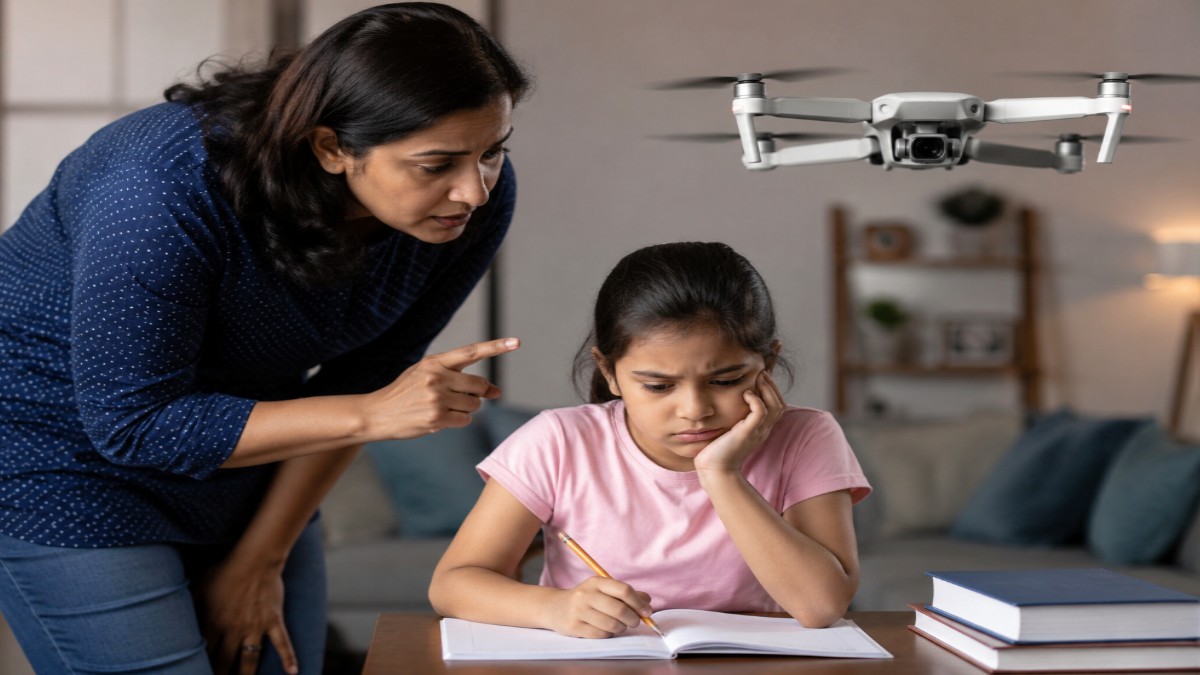
Being involved in a child's life is not inherently harmful. Children need support, supervision and age-appropriate guidance. The concern arises when parents consistently take control of situations that children could reasonably handle themselves. Over time, this may affect a child's confidence, problem-solving abilities and willingness to take responsibility.
What Is Helicopter Parenting
Helicopter parenting involves unusually high levels of monitoring and intervention. A helicopter parent may constantly check a child's schoolwork, manage their schedule, intervene in disagreements, make decisions for them or immediately solve problems when something goes wrong.
Related Articles


For younger children, close supervision is often necessary because they have limited understanding of risks. As children grow older, however, gradually giving them more responsibility becomes an important part of development.
Healthy parenting generally involves adjusting the level of support as a child's abilities increase. When parents continue doing everything for their children despite their growing capabilities, opportunities to practise independence can become limited.
Reduced Decision-Making Skills
One of the most important effects of excessive parental control can be fewer opportunities to make decisions.
Related Articles


Children develop decision-making skills by making choices, considering consequences and learning from outcomes. If parents routinely decide what children should do, how they should solve problems or which activities they should pursue, children may have fewer chances to practise these skills.
As they grow older, they may become uncomfortable making choices without reassurance. Even relatively simple decisions can feel overwhelming when they have had little experience making them independently.
Lower Confidence in Handling Problems
Independence develops partly through experience. When children successfully solve an age-appropriate problem, they learn that they are capable of handling challenges.
Constant parental intervention can unintentionally send the opposite message: "You need me to handle this."
A child who is always rescued from difficult situations may begin to doubt their own ability to cope. This does not mean that parents should allow children to struggle unnecessarily. Instead, parents can provide guidance while allowing children to attempt solutions first.
Difficulty Coping With Failure
Failure is an uncomfortable but valuable part of learning. Children can learn resilience when they experience setbacks in manageable situations and discover how to recover.
Helicopter parenting may involve trying to prevent children from experiencing disappointment or mistakes. Parents might intervene with teachers, coaches or other children whenever a problem occurs.
Although this may protect a child from immediate frustration, it can reduce opportunities to develop coping strategies. Children eventually encounter situations that parents cannot control, making resilience an essential life skill.
Increased Dependence on Parents
When parents consistently complete tasks, organise schedules or solve conflicts for their children, dependence can become a habit.
As children mature, they need opportunities to manage age-appropriate responsibilities. This could include organising school materials, preparing simple meals, managing homework schedules or communicating respectfully with adults.
The goal is not to expect children to handle everything alone. Rather, responsibility should gradually increase as their skills and maturity develop.
Fear of Making Mistakes
Children who feel that parents closely monitor their performance may become overly concerned about getting things right.
If mistakes are frequently corrected or prevented, children may start avoiding situations where they might fail. This can discourage experimentation and creativity.
Parents can help by treating mistakes as opportunities to learn rather than evidence of inadequacy. Asking questions such as "What do you think you could try next?" encourages children to think through problems rather than immediately waiting for an adult solution.
Effects on Social Skills
Independence also includes learning how to manage relationships. Children benefit from having opportunities to negotiate disagreements, express boundaries and communicate with peers.
If parents frequently intervene in children's friendships or settle every disagreement, children may have fewer opportunities to develop these interpersonal skills.
Parents can listen, provide perspective and step in when safety is genuinely at risk, while still allowing children to handle ordinary age-appropriate disagreements themselves.
How Parents Can Encourage Independence
Moving away from helicopter parenting does not mean becoming uninvolved. Instead, parents can shift from doing everything for their child to supporting their child in doing more independently.
Start by giving children choices appropriate to their age. Allow them to choose between outfits, activities or snacks when reasonable. Encourage them to complete manageable household responsibilities and let them experience natural, reasonable consequences.
Parents can also use a "step back before stepping in" approach. When a child faces a problem, pause and ask what they think they should do. Offer guidance if needed, but avoid immediately taking over.
Praise effort, persistence and responsible decision-making rather than focusing only on successful outcomes. This helps children understand that competence develops through practice.
Finding a Healthy Balance
There is an important difference between supportive parenting and controlling parenting. Children need adults who provide safety, emotional support, boundaries and guidance. At the same time, they need room to explore, make choices and gradually take responsibility.
The appropriate level of independence depends on a child's age, maturity, personality and circumstances. Parents should always intervene when there are significant safety concerns or when a child genuinely needs help.
Ultimately, the goal of parenting is not to eliminate every obstacle from a child's path. It is to give children the skills and confidence they need to navigate that path themselves. By gradually stepping back while remaining available for support, parents can help children become more confident, responsible and resilient individuals.




Comments 0