
Growing up gives children relationships, communication and understanding of the world around them. A child who grows up alone (or with brothers and sisters) and shares a household with others is likely to have very different experiences.
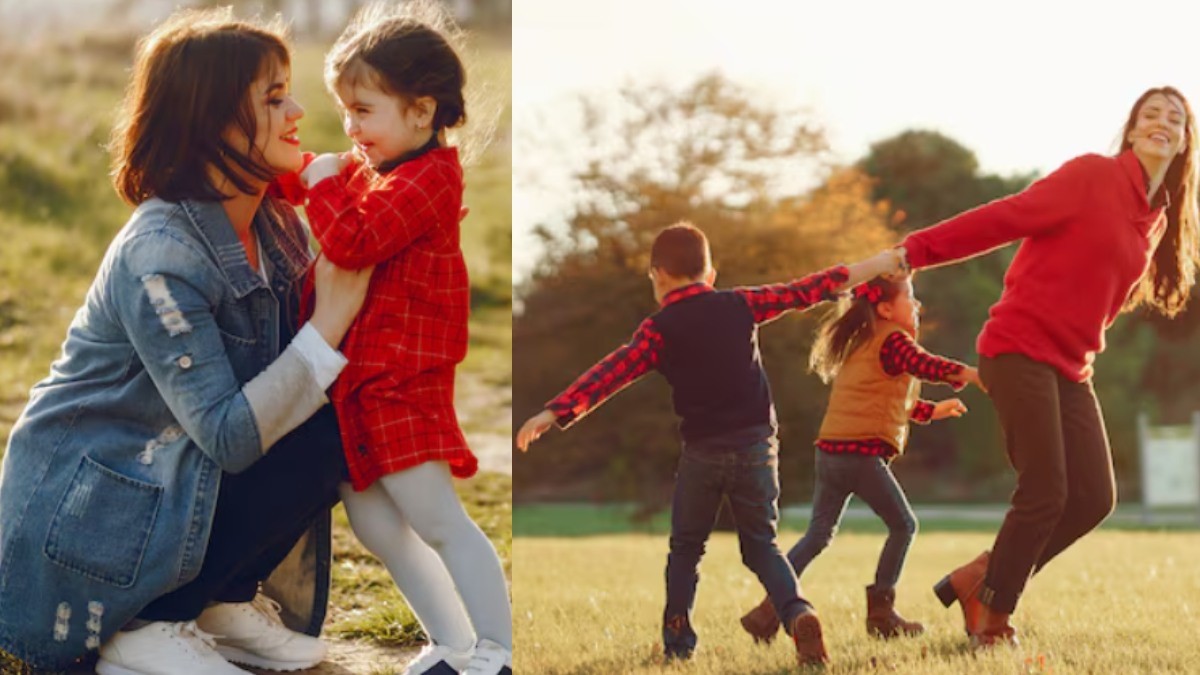
There is no individual family structure which guarantees a particular personality or outcome. Parenting, environment, friends and individual experiences all play important roles.
Growing Up as an Only Child
An only child can have more one-on-one time with his parents or caregivers. And conversations, sharing of activities and individual attention are likely to be more likely.
Related Articles


Only children may feel comfortable spending time by themselves. They might develop independent ways of playing, studying or solving problems.
But being an only child can sometimes mean that at home, there are fewer opportunities for practice with the everyday practices of sharing, negotiating and resolving disagreements with siblings. Friendships, school, and other social environments provide this.
The Experience of Growing Up With Siblings
Children who grow up with brothers or sisters have constant social interaction at home. Toy sharing, rooms, family responsibilities and everyday life are common.
Related Articles


Sibling relationships can also offer opportunities to learn cooperation, patience, and communication. Children can also learn to negotiate when they want different things.
Sibling rivalry arises in this family, too. Personal space, belongings or household duties are very much part of family life. If we can manage such discord, it’s a social experience that we need to look forward to.
Sharing Attention and Responsibilities
Parental attention in families with multiple children can be divided among siblings. Children can learn that family life involves compromise and consideration for other people’s needs.
Siblings also might take on household responsibilities as they get older. Cooperation and responsibility can be built up together when working together on chores.
For an only child, responsibilities may appear different. Parents may place particular expectations on the child, while the child may have greater individual involvement in family activities.
Emotional Support and Companionship
Siblings can be a great source of companionship. They may share childhood memories, family traditions and experiences that continue into adulthood.
Sibling relationships are not the same. Some siblings still remain very close and others are even more distant.
Only children can also develop strong emotional support networks through parents, relatives, friends, teachers and other important people in their lives.
Independence and Social Skills
It's possible that children who grow up alone at home will be more comfortable doing independent work. Cooperation and conflict resolution can also be made more likely in children growing up with siblings.
Neither experience necessarily determines how socially confident or independent a person is going to be. Personality, parenting style and experiences outside the home have a big impact on that.
The Role of Parents
Parents really have a role to play no matter the size of the family. Emotional support, healthy communication and the opportunity for children to form friendships should be given to develop social and emotional skills.
Where families with siblings are concerned, children should be treated fairly while recognizing their individual needs. Social interaction for only children when they are in groups is also important.
Every Childhood Is Different
Growing up as an only child and growing up with siblings can each provide unique experiences. One can provide more individual time at home, while the other may offer more frequent companionship and opportunities to negotiate.
Ultimately, childhood development is much more than the number of children in a household. And in many family situations, supportive family structures, healthy relationships and opportunities to learn are all factors that can help children thrive.




Comments 0