
Parenting is one of the many influences that shape a child's development. The way parents communicate, establish boundaries, respond to emotions and encourage independence can influence how children learn to manage feelings, build relationships and respond to challenges.
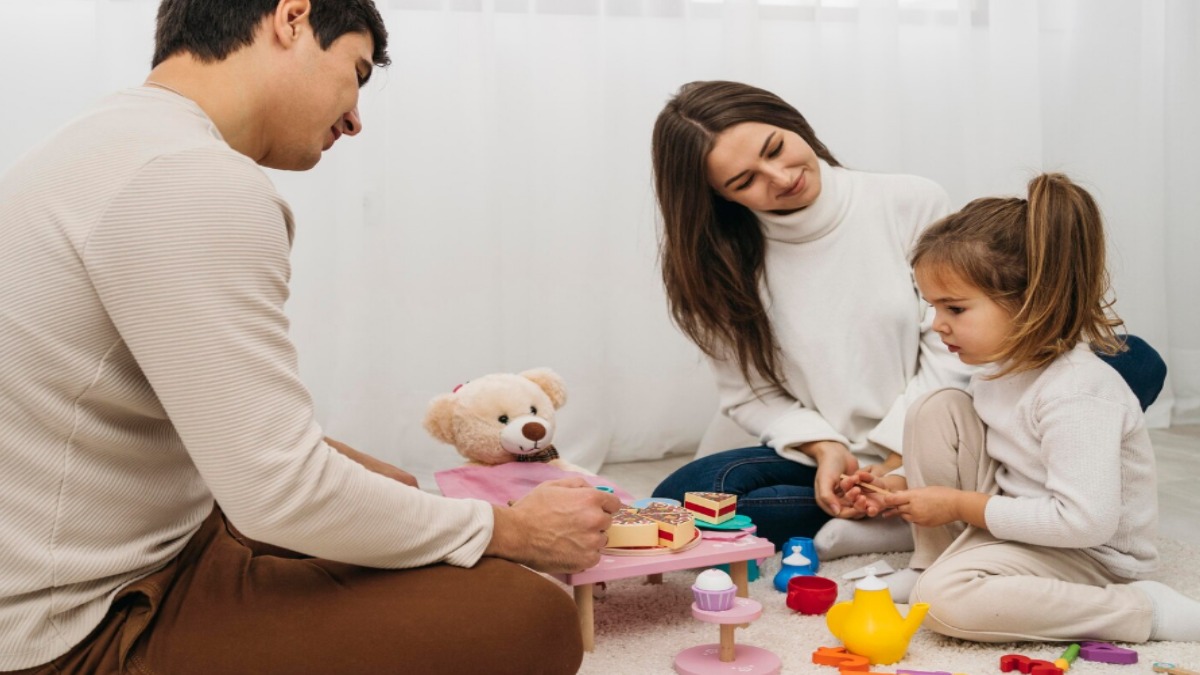
There is no single parenting approach that guarantees a particular outcome for every child. Children have different personalities, needs and circumstances, and factors such as genetics, school, friendships, community and life experiences also contribute to development.
However, understanding common parenting styles can help parents reflect on how their everyday interactions may affect their children.
Related Articles


What Are Parenting Styles
Parenting styles generally describe patterns in how parents respond to their children and set expectations. Four commonly discussed styles are authoritative, authoritarian, permissive and uninvolved parenting.
These categories are useful for understanding broad patterns, but real-life parenting is rarely confined to one category. A parent may be more structured in some situations and more relaxed in others.
Authoritative Parenting: Warmth With Clear Boundaries
Authoritative parenting is generally characterised by emotional warmth combined with reasonable expectations and consistent boundaries.
Related Articles


Parents using this approach tend to explain rules, listen to their children's perspectives and maintain limits while allowing age-appropriate independence.
Children raised with this style may have opportunities to develop self-confidence, emotional regulation, decision-making skills and social competence. They learn that boundaries exist while also experiencing support and responsiveness.
Importantly, authoritative parenting is not about being permissive. Parents can say “no” while still acknowledging a child's feelings.
Authoritarian Parenting: High Expectations and Strict Rules
Authoritarian parenting tends to emphasise obedience, strict rules and high expectations, often with less emphasis on discussion or emotional responsiveness.
Clear rules can provide children with structure, but excessively harsh or inflexible approaches may make children afraid of making mistakes or communicating openly.
Depending on the circumstances, children may become highly compliant, but they may also struggle with independence, confidence or expressing emotions. The effects can vary depending on the child's temperament, the severity of discipline and the broader family environment.
Permissive Parenting: Plenty of Warmth, Fewer Limits
Permissive parents are often affectionate and responsive but may establish fewer rules or have difficulty enforcing boundaries consistently.
A warm relationship can be valuable for children, but children also need age-appropriate limits to understand expectations and develop self-regulation.
Without consistent boundaries, some children may have difficulty managing frustration, delaying gratification or understanding consequences. Parents can provide warmth while still introducing predictable routines and reasonable limits.
Uninvolved Parenting: Limited Responsiveness and Guidance
Uninvolved parenting is generally characterised by limited emotional involvement, supervision or responsiveness to a child's needs.
Children need attention, emotional connection, guidance and appropriate supervision as they grow. When these needs are consistently unmet, development can be affected across several areas.
This style is different from a parent occasionally being distracted, overwhelmed or unavailable. Every parent has difficult days. What matters is the overall pattern of care and responsiveness.
Effects on Emotional Development
Parents play an important role in helping children understand and regulate emotions. Young children often depend on adults to help them name feelings, calm down and understand difficult experiences.
A responsive parent might acknowledge a child's frustration while maintaining a boundary: “I know you're angry because playtime is over, but we still need to leave.”
Over time, repeated experiences of being heard and guided can help children develop emotional awareness and coping skills.
Effects on Social Skills
Children learn about relationships partly through their interactions with caregivers. Respectful communication, empathy and healthy conflict resolution can provide useful models for future relationships.
Parents can encourage social development by teaching children how to listen, share, apologise, express disagreement appropriately and respect other people's boundaries.
Effects on Independence and Confidence
Children gradually need opportunities to make choices and solve problems independently. Overly controlling parenting may limit these opportunities, while a complete absence of guidance can leave children without the structure they need.
A balanced approach allows children to make age-appropriate decisions while parents remain available to provide support.
For a young child, this might mean choosing between two outfits. For an older child, it could involve planning homework or managing a small responsibility.
Discipline Can Teach Rather Than Simply Punish
Effective discipline is not simply about stopping unwanted behaviour. It can help children understand expectations and learn from mistakes.
Clear consequences, consistent rules and calm communication can be more constructive than humiliation, threats or physical punishment.
Parents can separate the behaviour from the child by communicating that a particular action was inappropriate without suggesting that the child is inherently “bad.”
Parenting Does Not Have to Be Perfect
One of the most important things for parents to remember is that healthy parenting does not require perfection.
Parents get tired, lose patience and sometimes respond in ways they later regret. What matters is the ability to recognise mistakes, repair relationships and try again.
A sincere apology can itself teach children an important lesson: adults are responsible for their actions too.
Creating a Supportive Parenting Environment
Regardless of parenting style, children generally benefit from feeling loved, respected, heard and appropriately guided. Parents can build a supportive environment by establishing predictable routines, setting clear expectations, listening to concerns and encouraging age-appropriate independence.
It is also important to adapt parenting as children grow. Strategies that work for a toddler may not work for a teenager.
The Goal Is Connection, Guidance and Growth
Parenting styles can influence children's development, but they do not determine a child's future on their own. Every child develops within a complex combination of family, biological, social and environmental influences.
Rather than aiming to follow a parenting label perfectly, parents can focus on building a relationship that combines warmth, consistency, communication, boundaries and opportunities for independence.
Children do not need flawless parents. They need caregivers who are willing to listen, guide them, provide safety and keep learning alongside them.




Comments 0