
Sibling disagreements are a normal part of growing up. Children may argue over toys, attention, personal space, screen time, responsibilities or differences in personality. While occasional arguments are usually a normal part of family life, frequent or intense conflicts can create stress for everyone at home.
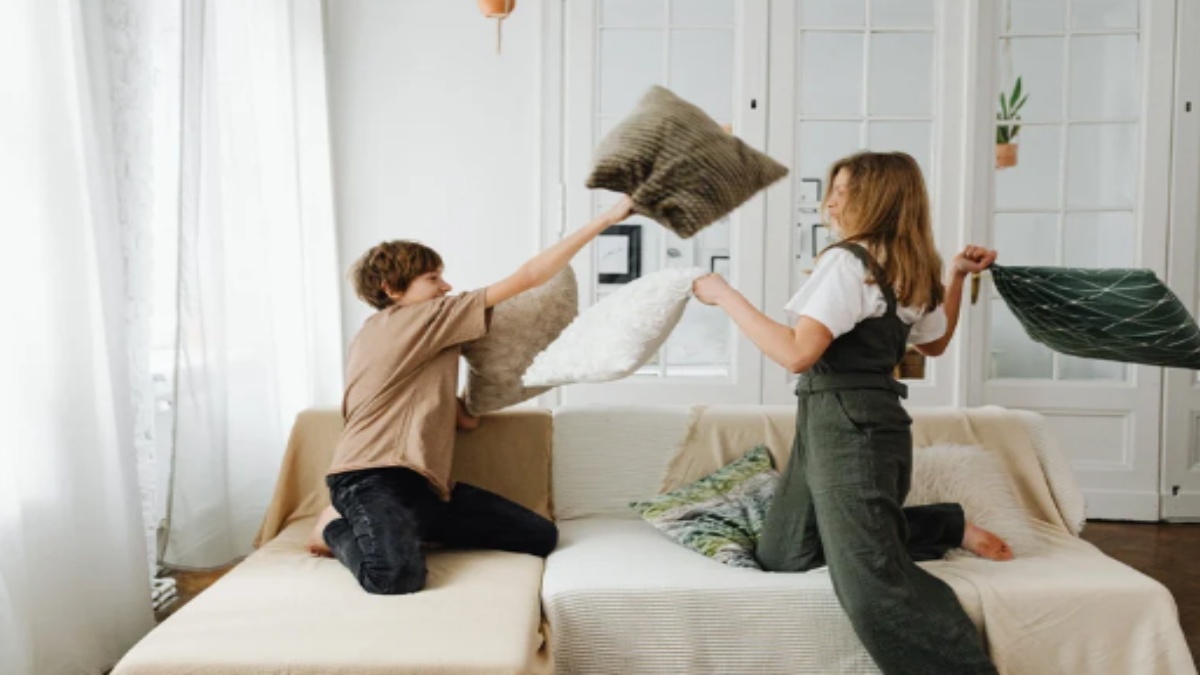
Parents and caregivers do not need to eliminate every disagreement. Instead, the goal should be to help siblings learn how to communicate, manage strong emotions, negotiate and solve problems respectfully. These skills can benefit children well beyond their relationship with their brothers or sisters.
Understand Why Siblings Fight
Before stepping into an argument, try to understand what is behind it. Siblings may fight because they want the same object or activity, but there can also be deeper reasons.
Related Articles

Competition for parental attention, jealousy, differences in age and temperament, tiredness, hunger and changes at home can all contribute to tension. Recognising common triggers can help parents prevent repeated conflicts.
Avoid Automatically Taking Sides
When children argue, it can be tempting to decide who is right and who is wrong immediately. However, automatically taking one child's side can make the other feel ignored or treated unfairly.
Instead, listen to both children separately or together when they are calm. Encourage each child to explain what happened without interrupting the other.
Related Articles


You can say, "I want to hear both sides. One person will speak first, and then the other person will have a turn."
Help Children Name Their Feelings
Children may not always have the vocabulary to explain what they are experiencing. A disagreement that appears to be about a toy may actually involve feeling excluded, frustrated or overlooked.
Help children identify emotions by using simple language such as, "You seem upset because you wanted a turn," or "It looks like you felt left out."
Learning to identify emotions can make it easier for children to communicate instead of reacting physically or shouting.
Teach Problem-Solving Skills
Rather than solving every disagreement for your children, teach them how to find solutions. Once everyone is calm, ask questions such as:
- What happened
- How did each person feel
- What could you do differently next time
- What solution would be fair to both of you
Depending on their age, children can suggest several solutions and choose one they both agree to try.
Set Clear Family Rules
Children need to know which behaviours are unacceptable. Establish simple rules such as no hitting, kicking, biting, threatening or deliberately hurting someone.
Rules should apply consistently to all siblings. Explain that being angry is acceptable, but hurting another person is not.
Parents can also establish practical rules around sharing toys, taking turns, borrowing belongings and respecting bedrooms or personal spaces.
Give Each Child Individual Attention
Sibling rivalry can sometimes become stronger when children feel they are competing for parental attention. Spending individual, uninterrupted time with each child can help them feel valued.
This does not have to involve elaborate activities. Reading together, going for a walk, helping with a meal or simply talking for a few minutes can strengthen the parent-child connection.
Encourage Positive Sibling Interactions
Do not focus only on arguments. Notice and acknowledge moments when siblings cooperate, share or help each other.
Specific praise can be more effective than general praise. For example, saying, "I noticed you let your brother have a turn that was thoughtful," shows children exactly which behaviour you want to encourage.
Creating opportunities for teamwork can also help. Cooking together, playing cooperative games or completing a household task as a team can encourage collaboration.
Give Children Space When Needed
Not every disagreement requires immediate parental intervention. If siblings are arguing but remain safe, give them an opportunity to work through the problem themselves.
However, step in when the conflict becomes physically aggressive, threatening or emotionally harmful, or when one child is consistently being targeted or intimidated.
Model Healthy Conflict Resolution
Children learn a great deal by observing adults. If parents handle disagreements by shouting, insulting or refusing to listen, children may copy those behaviours.
Show them what respectful disagreement looks like: listen, acknowledge another person's perspective, express your own feelings calmly and work toward a solution.
When Should Parents Seek Extra Help
Occasional sibling disagreements are normal. However, consider seeking professional guidance if conflicts are extremely frequent, involve serious aggression, cause significant fear or distress, or continue despite consistent boundaries and support.
A child psychologist, family therapist or paediatric professional can help identify underlying issues and provide age-appropriate strategies.
Sibling conflict cannot always be avoided, and it does not necessarily mean children have a poor relationship. Disagreements can actually provide opportunities to learn communication, empathy, compromise and emotional regulation.




Comments 0