
Marriage can bring companionship, emotional support and shared experiences, but it can also bring new responsibilities and adjustments. Managing finances, household duties, family expectations, work and personal commitments can sometimes become stressful for both partners.

Maintaining mental health after marriage does not mean avoiding every dispute. It means building a relationship where both people can communicate openly, remain independent and be there to support each other emotionally.
Make Communication a Daily Habit
Open communication is the foundation of a good relationship. But in order for you and your partner to have a good relationship, you need to be able to talk about your feelings, concerns, and expectations without turning every conversation into an argument.
Related Articles
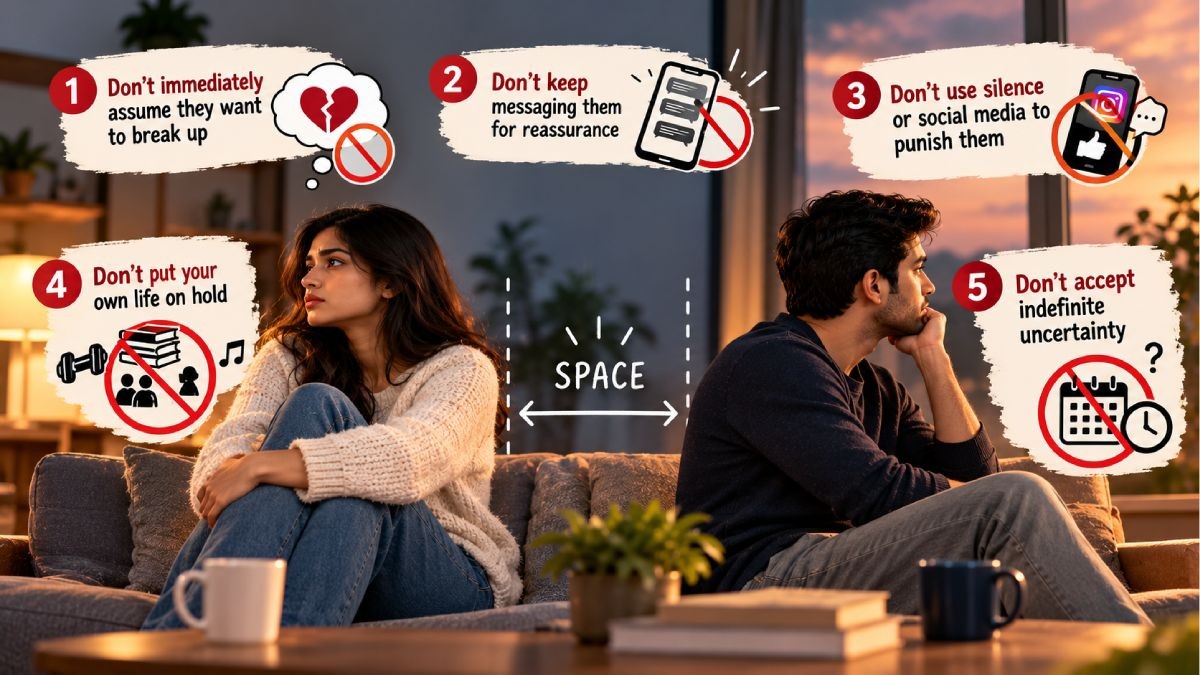

Instead of keeping frustrations inside, talk with each other when both people are calm. Listening is equally important. Your partner’s perspective is not always something to agree with.
Keep Your Individual Identity
Marriage does not mean giving up your hobbies, friendships, interests or personal goals. Both partners should have time for activities they enjoy independently.
Reading, exercising, meeting friends, pursuing creative interests or simply spending some quiet time alone can help people recharge. Healthy personal space can strengthen a relationship rather than weaken it.
Related Articles


Share Household Responsibilities
Unequal responsibilities can be a huge source of stress. Couples can talk about cooking, cleaning, shopping, childcare and other household tasks openly.
Responsibilities do not necessarily have to be divided equally every day, but each partner should feel that the workload is recognized and reasonably shared.
Set Healthy Boundaries With Families
Marriage can involve expectations from parents, relatives and extended families. Couples need to communicate boundaries and decide what matters should be kept private.
The couple should respect family members while protecting their personal space, so the pressure and conflict are taken off these couples as well.
Make Time for Each Other
A busy schedule can gradually turn a relationship into a routine around work and responsibilities. Spending time together is helpful in keeping emotional connection.
A meal, evening walk, weekend activity or simple conversation without phones can provide an opportunity to reconnect.
Learn to Handle Conflict Constructively
Disagreements are normal in relationships. The goal should be resolving them without insults, threats or deliberately hurtful behaviour.
When you feel the urge to take a break, do so, and then get back to the discussion when both partners will be calmer. Rather than attacking each other’s character, focus on the issue.
Support Each Other During Difficult Periods
Work, finances, family obligations or major life shifts can affect either partner. Rather than believing that someone should just “handle it,” ask what kind of support would help them to get through it.
Some people may want advice sometimes, while at other times they just need someone to listen.
Seek Professional Support When Needed
Persistent sadness, anxiety, severe relationship conflict, sleep problems and other emotional concerns should not be dismissed. Speaking with a qualified mental-health professional can provide additional support.
Couples counselling may also be useful when partners repeatedly struggle with communication or conflict.
Build a Relationship That Supports Both People
Mental health after marriage is a shared responsibility. Both partners can contribute if they communicate in a truthful manner, respect boundaries, share responsibilities and protect each other’s personal space.
A healthy marriage does not require two people to lose themselves. It gives room for both people to grow while building a life together.




Comments 0