
Parenting is one of life’s most rewarding and challenging experiences. There is no one way to raise a child the same way. But if you understand how children develop the right way, you can make sure that you give what children need and so do you. From birth to maturity is when a child will grow up and develop physically, emotionally, socially and mentally.
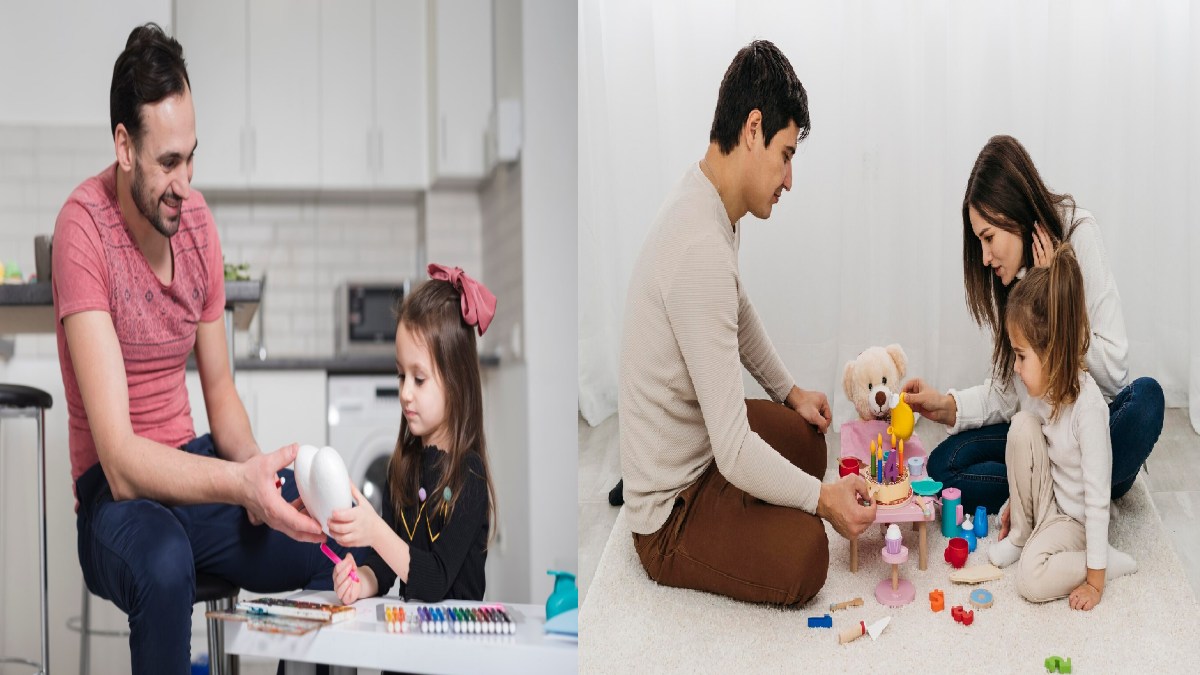
Positive parenting is not about being perfect; it is about creating a healthy, loving and caring environment where children want to be loved, respected, and encouraged to achieve their full potential.
Understanding Child Development
Child development refers to the physical, cognitive, emotional, language and social change that occurs from birth to adolescence. All children develop at their own pace, but most of them hit the same developmental milestones.
Related Articles


The major areas of child development are:
- Physical Development: Height, weight, motor skills, and coordination
- Cognitive Development: Learning, thinking, memory, problem-solving and decision making
- Language Development: Speaking, listening, reading and communication skills
- Social Development: Building friendships, cooperation and understanding social interactions
- Emotional Development: Recognizing emotions, building confidence, and managing feelings
Parents will help in every one of these areas, in the everyday interactions and experiences.
Why is positive parenting that we need to be positive parenting
Positive parenting is about forming trust, empathy, and mutual respect in the relationship with which to build trust and respect for them, and good parenting is about building that trust and respect, empathy and mutual love. It is not fear or punishment so much as it is teaching and guidance and modeling of education and consistency instead of fear, guidance and discipline for our children.
Related Articles


Some key principles include:
- Your child should be appreciated, not perfection
- Set boundaries that are age-appropriate as well
- Encouraging independence while also providing support
- Being a positive role model through your own actions
Children who grow up in supportive environments often develop stronger self-esteem, better communication skills, and healthier relationships.
Nutrition and Healthy Habits
A healthy diet is necessary for healthy growth and brain development. Children need a variety of nutrient-rich foods (fruits and vegetables, whole grains, lean proteins, dairy or fortified foods, healthy fats).
Parents can help promote healthy eating by:
- Providing regular, healthy meals
- Limiting sugary drinks and highly processed foods
- Encouraging children to try new foods without any kind of pressure
- Eating together as a family whenever possible
Adequate sleep is of equal importance as well as regular physical activity, and hydration.
Encouraging Learning Through Play
Play is the most effective way children learn. It fosters creativity, communication, motor skills, and problem-solving.
Activities that support development include:
- Building blocks and puzzles
- Drawing and painting
- Reading storybooks together
- Outdoor games and sports
- Pretend play and role-playing
- Music and dance
Cognitive and physical development can be enhanced by limiting excessive screen time and encouraging active play.
Building Emotional Intelligence
To guide children in terms of feeling and expression of emotions is one of the best ways of developing healthy development.
Parents can nurture emotional intelligence by:
- Validating their child’s feelings and teaching kids how to deal with frustration or disappointment
- Encouraging empathy and kindness toward others
- Practicing open, respectful communication
- Helping children solve problems instead of solving them for them
Kids who develop emotional intelligence will do better with stress management and with having good relationships.
Supporting Academic Development
Education starts at home. Parents can help children to learn through a culture that is interested in and curious about them.
Simple strategies include:
- Reading together every day
- Encouraging questions and discussions
- Providing age-appropriate books and educational games
- Establishing consistent homework routines
- Celebrating effort and progress instead of only high grades
A love of learning in childhood often lasts a lifetime.
Teaching Responsibility and Life Skills
Children gradually become more independent when they are given the opportunity to take on age-appropriate duties.
Examples include:
- Tidying up their toys
- Making their bed
- Helping prepare simple meals
- Organizing school supplies
- Caring for pets with supervision
- Managing small amounts of money
These experiences teach responsibility, confidence, and problem-solving.
Creating Strong Family Bonds
Quality time promotes the parent-child relationship and helps children feel safe.
Simple ways to connect include:
- Eating meals together
- Taking family walks
- Playing board game
- Celebrating traditions
- Talking about each other’s day
- Planning weekend activities
Even a few minutes of undivided attention each day can have a lasting positive impact.
Recognizing Developmental Differences
Every child learns at his own speed. Some may hit milestones earlier or later than others. This is a normal divergence and if you are still having concerns about speech, movement, learning, behavior, or social interaction, take them to a pediatrician or another healthcare professional. Early assessment and support can make a difference.
Parenting in the Digital Age
Technology is a part of modern childhood and healthy habits of digital technologies must be developed.
Parents can:
- Set age-appropriate screen time limit
- Encourage educational and creative content
- Keep devices out of bedrooms during sleep
- Teach children about safe Internet and responsible use of the Internet
Modeling healthy technology use yourself can help to cement these habits.
Parenting is an ongoing journey of learning, changing and growing with your child. With love, encouragement, healthy routines, and opportunities to learn in a child’s life, parents can help in every aspect of a child’s development. And remember that no parent is perfect, and every family has challenges. What matters most is creating a nurturing environment where children feel safe, valued, and empowered to become confident, compassionate and capable people.
With patience, consistency and open communication, parents can lay the foundation for their children’s lifelong health, happiness, and success.




Comments 0