
Parenting is one of life’s most rewarding things but it is also hard. It is what every parent would want for their child to become a happy person; a person who is kind to others and responsible. Positive parenting is one that aims to build relationships, teach good behavior and help children develop emotional intelligence through love, respect and guidance rather than fear or punishment.
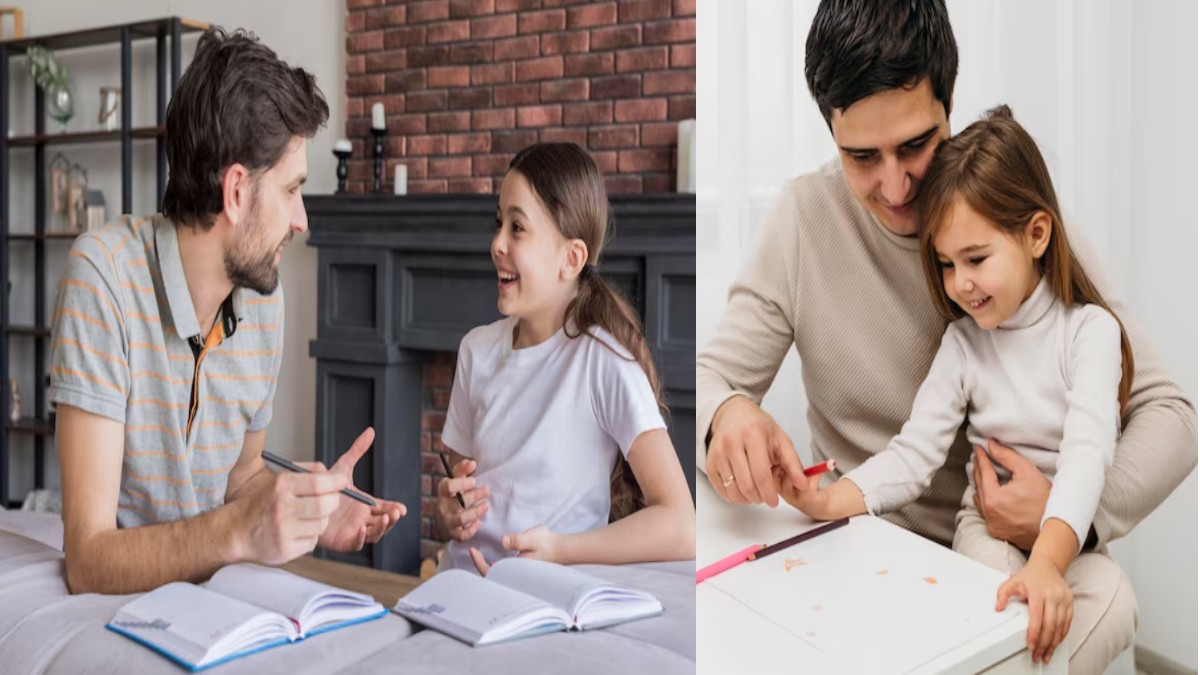
1. Develop an Emotional Connection
Children thrive when you are showing them love, acceptance and respect. You need to spend time with your child every day and not just for 15 to 20 minutes a day. Read together, play games, talk about their day and go for a walk together. These small moments build bonds and build security for the child.
2. Communicate with Kindness and Respect
Positive communication is at the heart of good parenting. If your child speaks up, listen carefully and keep eye contact, and listen to them. Do not dismiss their feelings, rather say, “I understand you’re upset” or “Let’s deal with it together.”
Related Articles


Children who feel heard are more likely to express themselves openly and develop healthy communication skills.
3. Praise to Encourage Good Behavior
Instead of focusing only on mistakes, acknowledge and appreciate good behavior. Praise specific behaviors like sharing, helping, honesty, or completing homework.
For example:
Related Articles


- "I'm proud of how patiently you waited." "Thank you for helping clean up your toys"
- Specific praise builds confidence and encourages children to repeat positive behaviors
4. Set Clear and Consistent Boundaries
When children know what is expected of them, they’re safer. Have simple family rules and explain why they are so. Stick to consequences but keep calm and respectful.
Stress and punishment won’t be yelled at or severe. Use logical consequences with rational consequences that teach responsibility and problem solving.
5. Be a Positive Role Model
Children learn more from what parents do than what they say. Show honesty and kindness, patience, respect and responsibility in your daily life. If you make a mistake, admit it and apologize. This teaches children responsibility and humility.
6. Encourage Independence
Allow children to choose their clothing and what they wear, help with school supplies or household chores as they age. It is the responsibility that gives them confidence, competency in their ability to make decisions and independence.
They only grow up if they learn from experience.
7. Teach Emotional Intelligence
Help your child to recognize and respond to emotions by naming feelings and discussing healthy ways to express them.
For example:
- "It's okay to be angry, but it is not okay to hurt someone." “Let’s take a few deep breaths together"
- Children who understand emotions tend to develop stronger relationships and better coping skills
8. Create Healthy Family Routines
Consistent routines for meals, homework, bedtime, and family activities provide children with stability and security. Family dinners, bedtime stories, and weekend outings create lasting memories while strengthening family relationships.
9. Encourage Learning Instead of Perfection
Don’t just celebrate results. When you let kids know that it’s OK to fail, they become more resilient and willing to try something new.
Instead of saying, "You should have gotten full marks," try saying, "I'm proud of how hard you studied."
This mindset promotes lifelong learning and confidence.
10. Limit Screen Time and Promote Real-Life Activities
Technology is great for learning but in the long run it can affect sleep, physical activity and social development. Encourage outdoor activities, reading, creative hobbies, sports, and family play.
Balancing digital and offline activities supports healthy emotional and physical growth.
11. Practice Patience During Difficult Moments
Parenting is hard, but reacting calmly helps children learn emotional control. Before responding to challenging behavior, take a deep breath and think about the lesson you want to teach.
Children often imitate how adults handle frustration, making patience one of the most critical parenting skills.
12. Celebrate Your Child’s Uniqueness
Every child has a variety of abilities, interests and personalities. Don’t compare your children with their siblings or classmates. Instead, encourage their strengths and support their individual passions.
Children who feel accepted for who they are develop higher self-esteem and greater confidence.




Comments 0