
Marriage is one of the happiest moments of life and celebrated, loved and dreams for the future. But for some people, the post-wedding period may bring sadness, anxiety, loneliness, or emotional exhaustion. These emotions are sometimes referred to as post-marriage depression, and can be debilitating to newlyweds as they are faced with big life changes.
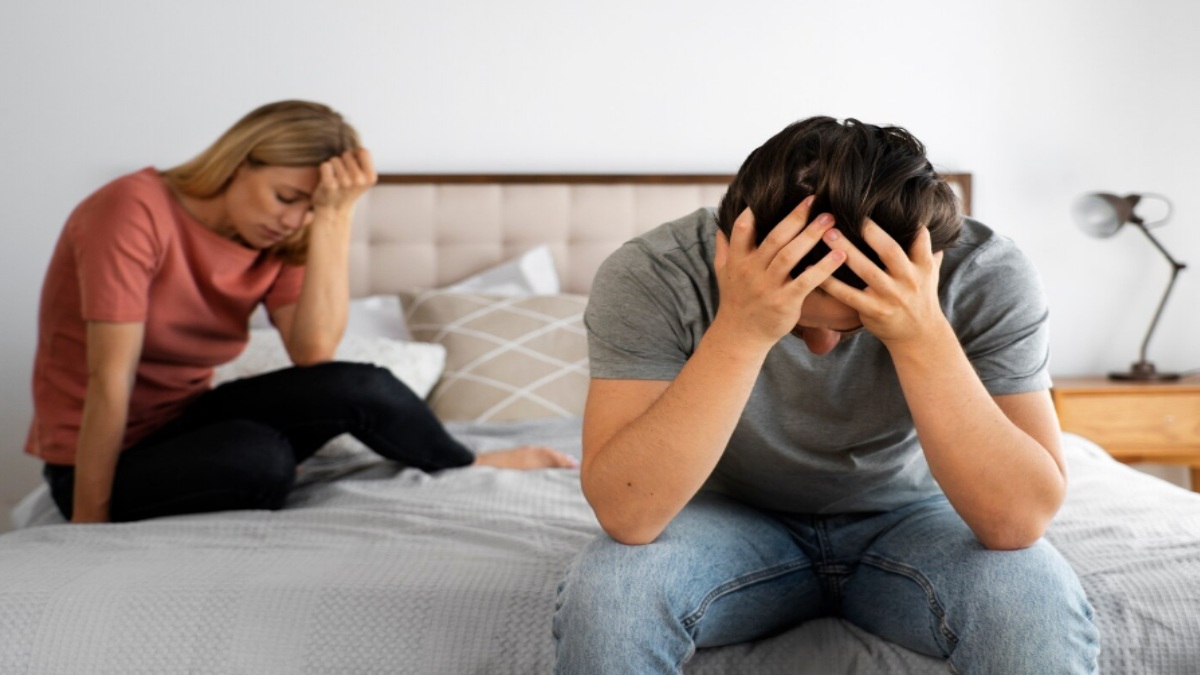
It’s not a medical diagnosis, but post-marriage depression is a real emotional feeling for many people. Realizing these feelings and knowing their causes can help couples through this transition with greater compassion and support.
What is post-marriage depression
Post-marriage depression is the permanent feeling of sadness, emptiness, anxiety, or loss of interest once you are married. It affects any partner, regardless of age, gender, or relationship before marriage.
Related Articles
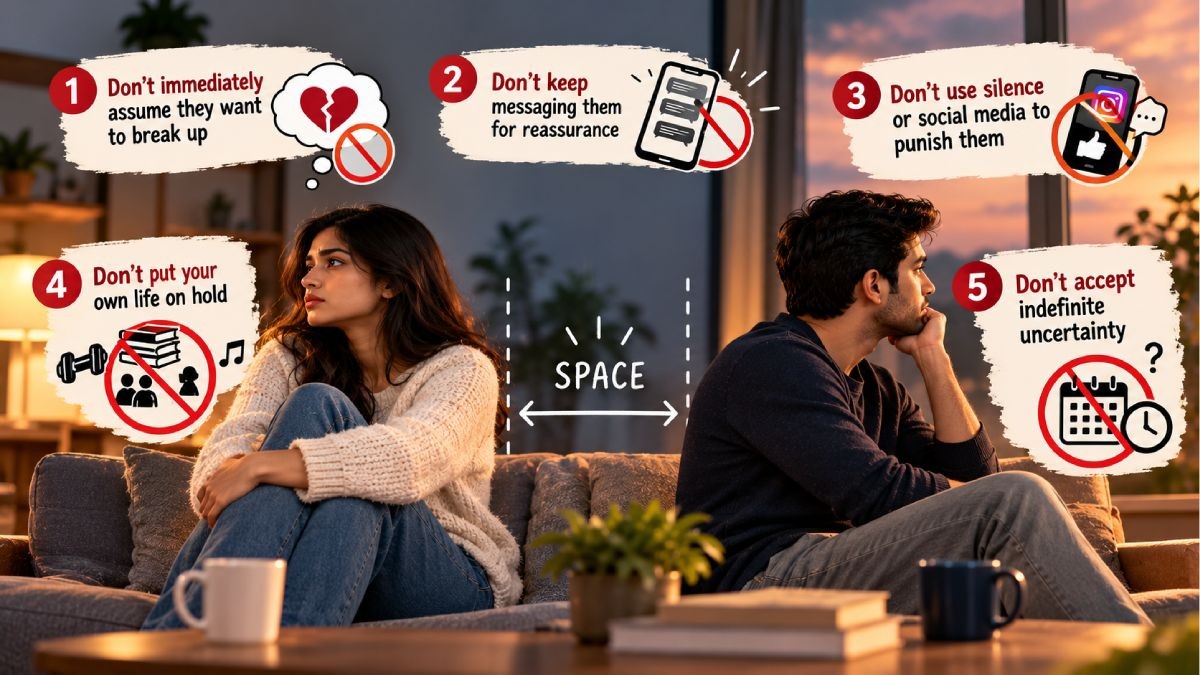

Many people expect marriage to solve the problems of the present or produce happiness every single day. As a result of the reality of responsibilities, adjustments, financial problems, or changing family dynamics, disappointment and emotional distress arise.
A short period of being emotionally overwhelmed is common after big life events like this. But professional evaluation would be beneficial if these feelings take weeks and interfere with daily life and relationships.
What causes post-marriage depression
1. Major Life Transition
Marriage marks the beginning of a new phase in life. Even positive changes can create emotional stress as individuals adapt to new routines, expectations, and responsibilities.
Related Articles


2. Unrealistic Expectation
Movies, social media, and cultural stories paint marriage as perfect and easy. People may be disappointed when they start to see real-life challenges and may be inclined to question their relationship as well.
3. Financial Pressure
The cost of weddings, household budgeting, loans, and planning for the future can lead to financial stress, anxiety, and low moods.
4. Changes in Family Dynamics
Emotional strain is caused by different traditions, habits, or expectations in a family. Living with a partner or spouse may require adjustment.
5. Loss of Personal Independence
Some newlyweds struggle with balancing personal space, hobbies, friendships, and shared responsibilities after marriage.
6. Wedding Blues
After months of wedding planning and excitement, the sudden end of celebrations can leave some people feeling emotionally empty or directionless.
Symptoms of Post-Marriage Depression
Symptoms vary from person to person, but may include:
- Persistent sadness or frequent crying
- Irritability or mood swings
- Anxiety or constant worry
- Feeling emotionally detached from a spouse
- Loss of interest in hobbies or social activities
- Difficulty sleeping or excessive sleeping
- Changes in appetite
- Fatigue or lack of motivation
- Difficulty concentrating
- Feelings of guilt, hopelessness, or worthlessness
If symptoms last longer than two weeks or become severe, a mental health professional should be consulted.
Healthy Ways to Cope
Communicate Openly
Honest conversations with your partner can reduce misunderstandings. Share your feelings calmly and listen to each other's concerns without judgment.
Set Realistic Expectations
No marriage is perfect. Accepting that disagreements and adjustments are normal can reduce unnecessary pressure.
Maintain Individual Identity
Continue pursuing hobbies, friendships, and personal interests. Emotional well-being is also a result of having a sense of self.
Build Healthy Routines
Daily physical activity, nutritious meals, sufficient sleep, and mindfulness practices are important for both physical and mental health.
Spend Quality Time Together
Simple activities such as cooking, walking, or exploring new hobbies together can strengthen emotional connection.
Seek Support
Talking with trusted friends, family, or a counselor can provide perspective and emotional relief during difficult times.
When to Seek Professional Help
Professional support should be considered if symptoms persist, worsen, or interfere with work, relationships, or daily functioning. Mental health professionals can assess whether the symptoms are related to depression, anxiety, adjustment difficulties, or another condition and recommend appropriate treatment.
Building a Stronger Marriage Through Understanding
Marriage is a journey of growth, adaptation, and shared experiences. A little emotional pain in the beginning of the relationship is not a sign that the relationship is failing. Acknowledging emotions, maintaining open communication, practicing self-care, and seeking support when necessary are important for couples to navigate this transition.




Comments 0