
Families are shaped by traditions, values, beliefs, and customs inherited from one generation to another. These traditions influence everything from how people celebrate festivals, how they prepare food, and the way they welcome guests and celebrate important events in their lives and communicate with one another.
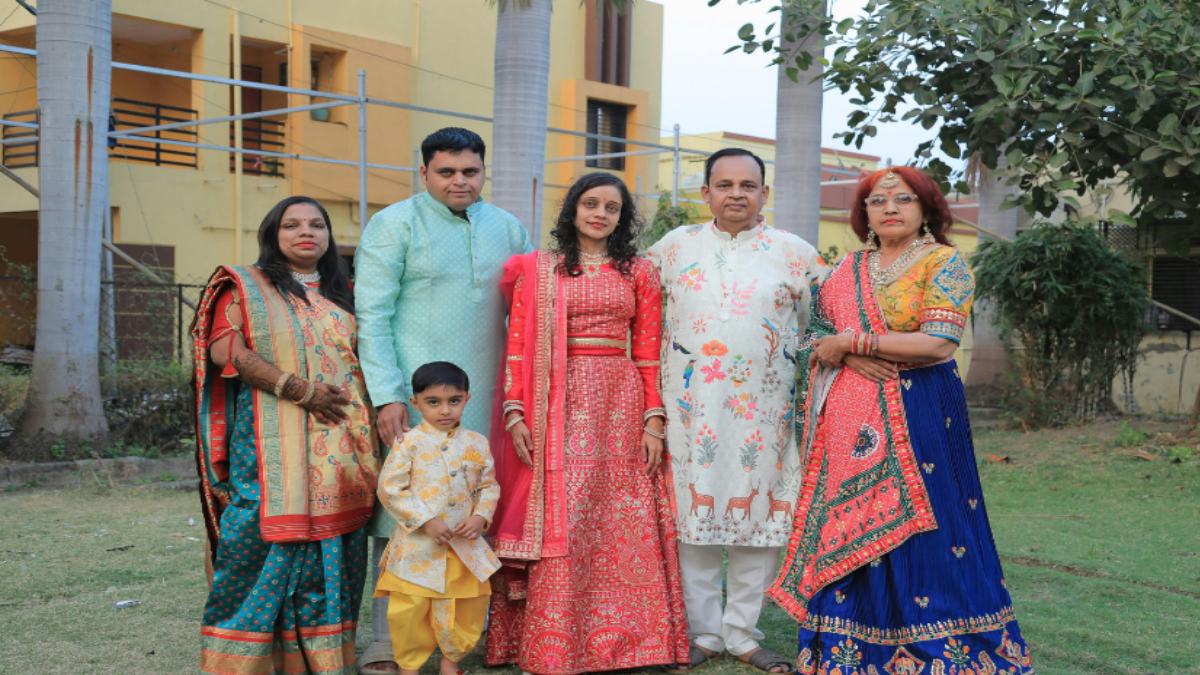
But when people from different cultural, religious, regional, and family backgrounds meet in the same family, their customs might not be the same. Understanding those differences is a big part of the secret to having a happy, healthy family relationship in which peace and love are respected.To respect a family tradition does not necessarily mean adopting it as your own. Instead, it’s knowing that a custom is emotional, cultural, or historical for someone else. Perhaps a tradition that someone might be unaware of may be a childhood memory, family identity, or a strong connection to past generations.
What is meant behind Traditions
What’s the best way to respect different family traditions? Rather than immediately judging an unfamiliar practice, ask questions and listen. Being aware of the history and the meaning behind a custom can bring appreciation and avoid misunderstanding.
Related Articles
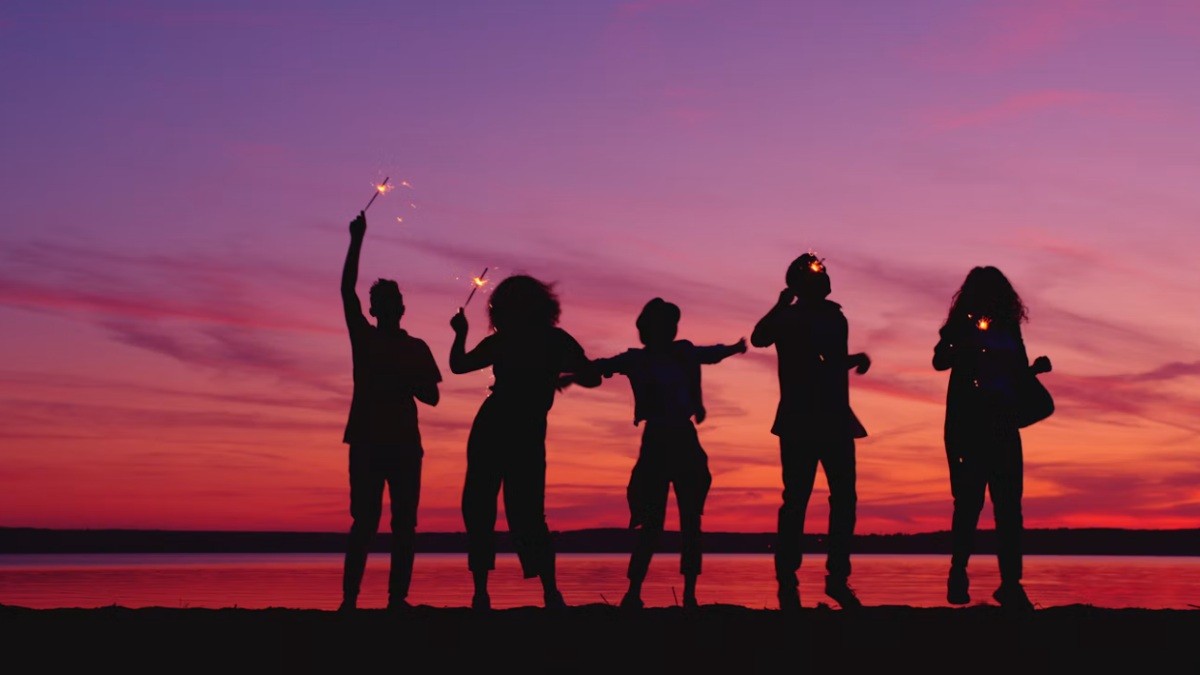
For example, family members might have different ways to celebrate weddings, birthdays, religious festivals, or important milestones. Some may prefer large gatherings, while others prefer quiet celebrations. There are some families who have certain food traditions and others who have certain rituals or ceremonies. Understanding these practices helps family members to see that everyone is diverse.
Do not compare one tradition with another. Don’t compare one tradition to the others.
Family traditions should not become a competition. Saying that one family’s way of celebrating is better than another’s could create tension and hurt feelings. Each family has a history and situation and thus customizes customs in that way.
Related Articles
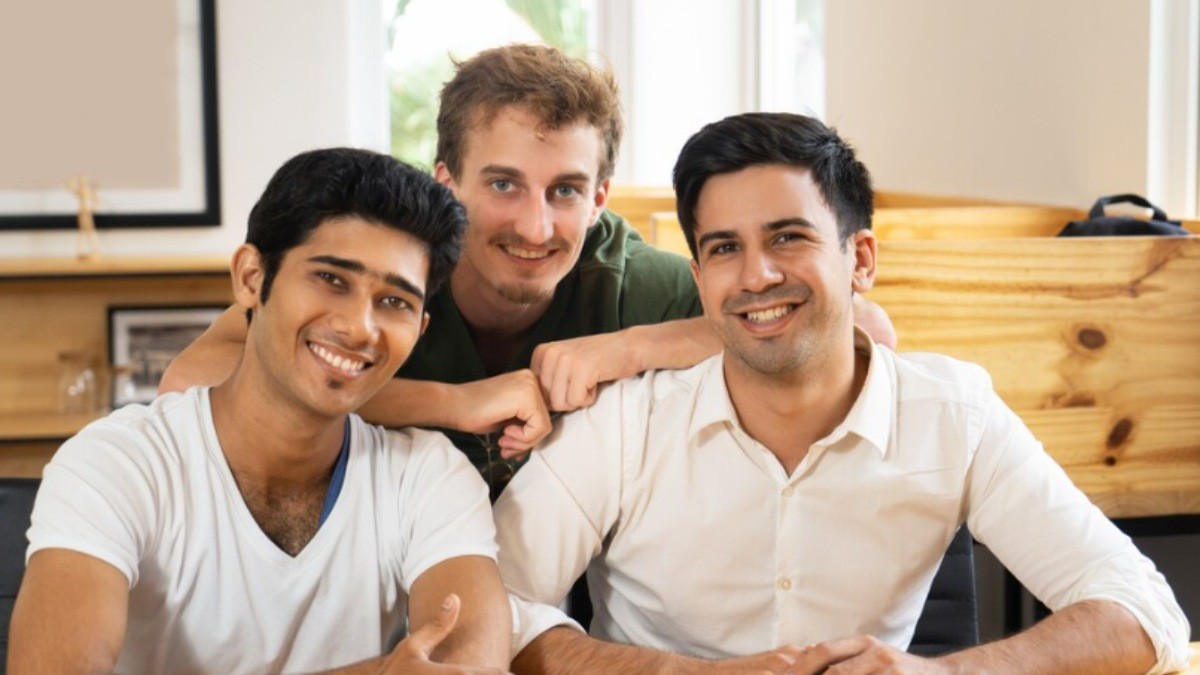

What is “right” might be to ask which tradition is right and not so much to ask which approach is right. Respect is easier when people don’t try to prove their way is better.
Communication Is Essential
Open and respectful communication can prevent a lot of these conflicts around family traditions. When two families come together, especially after marriage, expectations around festivals, ceremonies, holidays, food, and family responsibilities may differ.
Couples and family members should discuss these expectations openly. They can talk about which traditions are particularly meaningful for them and decide together how they would like to celebrate important occasions. Honest discussions can prevent assumptions and help everyone feel included.
Hence, finding a balance between traditions
Family traditions can be respected, but you can’t let go of yourself. Family rituals are made up of elements from across various backgrounds, and they’re very different from one another.
For instance, a couple could celebrate festivals according to the customs of both families, prepare dishes from both families’ recipes, or alternate where big events take place. Over time they might even have their own traditions that are unique to their own household.
This flexibility can be especially useful in multicultural or inter-regional families. Children can also benefit from learning about different traditions because it teaches them that diversity is something to appreciate rather than fear.
Respect Personal Boundaries
Tradition is not something that should be forced upon people to participate in, and that is wrong. Healthy families allow people to choose what they want to do.
A person can respectfully decline participation but still show appreciation for the tradition. Likewise, family members should not pressure others just because “this is how our family has always done it.”
We have found respect works when it is reciprocal.
Teach Children About Diversity
Children learn about traditions from the adults around them. Children are more likely to grow up with an open-minded attitude when parents and relatives talk about different customs positively.
Parents can explain why their own traditions are meaningful and teach children that other families may celebrate differently. This is an opportunity to teach empathy, curiosity, and respect at an early age.
Celebrate What Brings Families Together
Although traditions differ from one another, they are all related in a sense, as people come together in thanks, honor loved ones, and celebrate those moments in time, family bonds, and love even more.
Family members who take on common values can see beyond differences. There may be different rituals at a festival, but the message of togetherness is clearly the same. A wedding might have different customs, but the urge to celebrate love and commitment is universal.
Respecting family traditions is really about accepting that there is no single way to build a loving family. Traditions do give people an identity and a sense of belonging, but relationships are strongest when we approach those traditions with patience and understanding.
Families don’t have to be alike to be close. Through listening without judgment, being open and honest, negotiating boundaries, not comparing, and celebrating different customs together, family members develop deeper connections. Embracing differences does not destroy family bonds; it makes them more meaningful, inclusive, and resilient.




Comments 0