
Pregnancy is an important period of physical and emotional change, and most pregnancies progress normally with appropriate medical care. However, certain health conditions, lifestyle factors, infections, medications and pregnancy-related complications can increase risks for the mother or developing baby. Understanding these risks can help expectant parents make informed decisions and seek medical attention when necessary.
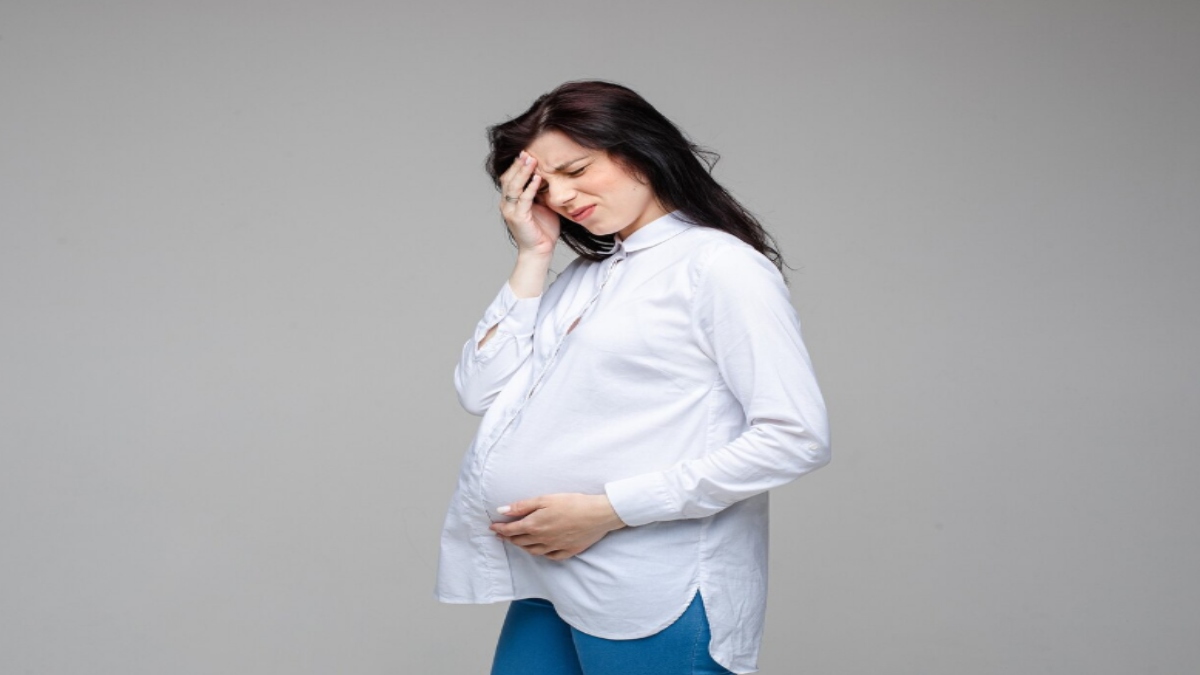
A pregnancy may be considered higher risk when the mother or baby has a greater chance of developing health complications. Being classified as high risk does not necessarily mean that a serious problem will occur. It simply means that closer monitoring or specialised care may be recommended.
Pre-Existing Health Conditions
Certain medical conditions can influence pregnancy and may require additional monitoring. Diabetes, high blood pressure, thyroid disorders, kidney disease, heart conditions and some autoimmune disorders can affect maternal health or fetal development.
Related Articles


Women with an existing health condition should ideally discuss pregnancy planning with a healthcare professional. Medication may need to be reviewed because some medicines are not appropriate during pregnancy, while abruptly stopping prescribed treatment can also be harmful.
Pregnancy-Related Complications
Some risks develop during pregnancy even when the mother was healthy beforehand. Gestational diabetes, pregnancy-induced hypertension and preeclampsia are examples of conditions that healthcare providers routinely monitor for.
Preeclampsia involves high blood pressure during pregnancy and can affect organs such as the kidneys and liver. Warning signs can include severe headache, vision changes, sudden swelling and upper abdominal pain. Because complications can sometimes progress quickly, medical evaluation is important when concerning symptoms appear.
Related Articles


Other complications may include problems with the placenta, premature labour, restricted fetal growth or excessive bleeding. Regular prenatal appointments help healthcare professionals identify potential concerns as early as possible.
Infections During Pregnancy
Certain infections can pose risks to pregnancy or the developing baby. Examples include some sexually transmitted infections, urinary tract infections, influenza, COVID-19, toxoplasmosis and infections caused by certain foodborne pathogens.
Pregnant women should follow appropriate food-safety practices, maintain good hand hygiene and discuss recommended vaccinations with their healthcare provider. Avoiding unpasteurised foods and undercooked meat, eggs and seafood can also reduce exposure to some infections.
Smoking, Alcohol and Substance Use
Smoking during pregnancy can increase the risk of complications such as poor fetal growth, premature birth and problems with the placenta. Exposure to second-hand smoke may also be harmful.
Alcohol can affect fetal development, and there is no established safe amount of alcohol consumption during pregnancy. Recreational drugs can also create serious risks for both mother and baby.
Anyone struggling to stop smoking, drinking alcohol or using substances should speak honestly with a healthcare professional. Support is available, and seeking help is an important step toward a healthier pregnancy.
Nutrition and Weight
Good nutrition supports the changing needs of pregnancy. A balanced diet containing protein, whole grains, fruits, vegetables, healthy fats and essential vitamins and minerals can contribute to maternal and fetal health.
Both inadequate nutrition and excessive weight gain can be associated with pregnancy complications. However, pregnancy is not the time for restrictive weight-loss diets unless specifically recommended and supervised by a healthcare professional. Prenatal supplements, particularly folic acid, are commonly recommended, but the appropriate dose should be discussed with a doctor or midwife.
Age and Previous Pregnancy History
Maternal age can influence certain pregnancy risks. Pregnancies at older maternal ages may have a higher likelihood of conditions such as gestational diabetes, high blood pressure and chromosomal abnormalities. Younger pregnant people can also experience complications, so age alone does not determine whether a pregnancy will be healthy.
A history of miscarriage, premature birth, stillbirth, cesarean delivery or pregnancy complications may also influence care during a subsequent pregnancy. Healthcare providers can use this history to determine whether additional monitoring is appropriate.
Medications and Environmental Exposures
Not every medication, herbal supplement or natural product is safe during pregnancy. Pregnant women should check with a qualified healthcare professional before starting, stopping or changing medicines or supplements.
Exposure to certain chemicals, pesticides, radiation, heavy metals and other workplace hazards may also require special precautions. People working in potentially hazardous environments should discuss their exposure with their healthcare provider.
Warning Signs That Need Medical Attention
Some symptoms during pregnancy require prompt medical evaluation. These may include heavy vaginal bleeding, severe abdominal pain, severe or persistent headache, vision changes, difficulty breathing, chest pain, fainting, seizures, leaking fluid, high fever or noticeably reduced fetal movement later in pregnancy.
Because pregnancy symptoms can vary considerably, it is better to contact a healthcare professional when something feels unusual or concerning rather than attempting to diagnose the problem independently.
How to Reduce Pregnancy Risks
Although not every complication can be prevented, several measures can support a healthier pregnancy. Starting prenatal care early, attending regular appointments, following recommended screening schedules, eating a balanced diet, staying physically active when medically appropriate, avoiding tobacco and alcohol, taking recommended supplements and managing existing medical conditions can all be beneficial.
Pregnancy should be approached as an individual health journey rather than a checklist of guarantees. Every pregnancy is different, and personalised advice from an obstetrician, midwife or other qualified healthcare professional is particularly important when risk factors are present.
With appropriate prenatal care, awareness and timely medical attention, many potential complications can be identified and managed effectively. Understanding pregnancy risks is not meant to create fear; instead, it empowers expectant parents to recognise warning signs, make safer choices and seek professional care when needed.




Comments 0