
Children today grow up surrounded by smartphones, tablets, computers, gaming platforms and social media. While the internet can provide educational resources, entertainment and opportunities to connect with others, it also exposes children to risks such as cyberbullying, inappropriate content, scams, online predators and excessive screen use. This raises an important question for parents: should they monitor their children's online activity?
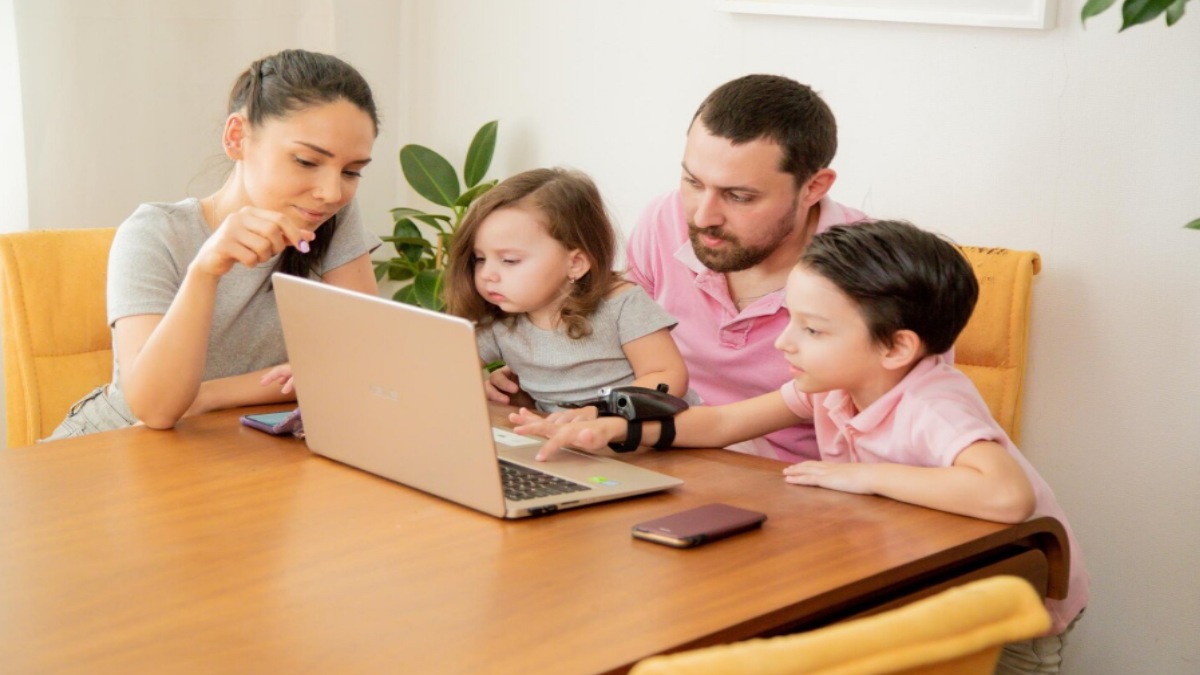
There is no single answer that works for every family. Monitoring can be an important part of keeping children safe, but the approach should change as children grow. The goal should not be to control every digital interaction but to teach children how to navigate the online world responsibly and safely.
Why Online Monitoring Can Be Important
Children may not always recognise when an online interaction becomes dangerous. They could accidentally share personal information, click on suspicious links, communicate with strangers or encounter content that is inappropriate for their age.
Related Articles


Reasonable parental oversight can help identify potential problems early. Parents can use age-appropriate parental controls, privacy settings, content filters and screen-time tools to create safer digital environments.
Monitoring can be particularly important for younger children who may not yet understand concepts such as online privacy, digital footprints or manipulation by strangers.
Monitoring Is Not the Same as Spying
One of the biggest challenges is finding the balance between safety and privacy. Secretly reading every message or constantly checking a child's device can make children feel that they are not trusted.
Related Articles


Instead, parents can explain why certain monitoring measures are being used. For example, parents might tell a child that they will periodically review apps, privacy settings or online contacts because internet safety is part of growing up.
Being transparent can help children understand that monitoring is intended to protect them rather than invade their personal lives.
Age Should Influence the Approach
The level of supervision should generally depend on a child's age, maturity and ability to make safe decisions.
Young children may need close supervision, restricted websites and carefully managed access to apps and games. Parents may also need to be nearby when children use internet-connected devices.
As children enter their teenage years, they typically need increasing independence. Parents can gradually move from direct supervision toward conversations, agreed rules and safety check-ins.
A teenager who has demonstrated responsible online behaviour may not need the same level of monitoring as a younger child.
Teach Children About Digital Safety
Monitoring alone cannot protect children from every online risk. Education is equally important.
Parents should teach children never to share sensitive personal information, passwords or private photographs with strangers. Children should also know how to block and report suspicious accounts and tell a trusted adult if something online makes them uncomfortable.
It is important to make children understand that they will not be punished simply for reporting an online problem. If children fear losing their devices whenever they disclose something concerning, they may be less likely to seek help.
Discuss Social Media and Online Friendships
Social media can create additional challenges. Children may encounter cyberbullying, pressure to share content, unrealistic images or strangers pretending to be someone else.
Parents should discuss how online friendships differ from relationships in real life. Children should understand that someone they meet online may not be who they claim to be.
Regular conversations about social media can be more effective than simply banning every platform. Parents can ask children about the apps they use, what they enjoy about them and whether they have encountered anything that made them uncomfortable.
Respect Privacy as Children Mature
Privacy becomes increasingly important as children develop independence. Parents should avoid unnecessarily exposing private conversations or embarrassing children by discussing their online activity publicly.
Instead, families can establish clear expectations about what parents may check and under what circumstances. For example, parents might agree that safety concerns could justify a closer review of a device.
Such boundaries can help children understand that privacy and safety are not opposing concepts. Both can exist within a healthy parent-child relationship.
Set Healthy Digital Rules
Families can establish practical rules around device use. These may include keeping phones away during meals, turning devices off at bedtime, avoiding screens during homework or limiting access to certain apps.
Parents should also model healthy technology habits themselves. Children are more likely to accept digital boundaries when adults follow reasonable rules too.
What Parents Should Do If They Discover a Problem
If monitoring reveals cyberbullying, inappropriate content or suspicious communication, parents should try to remain calm. Immediately reacting with anger may cause a child to hide future problems.
Instead, listen carefully, reassure the child and work together to determine the safest response. Depending on the situation, this may involve blocking an account, reporting content to the platform, contacting a school or seeking professional help.
If there is an immediate safety concern involving a child, parents should contact appropriate authorities or child-protection services.
Parents have a legitimate role in protecting children online, especially when children are young or vulnerable to digital risks. However, effective monitoring should evolve as children mature.
Rather than relying exclusively on surveillance, parents can combine age-appropriate parental controls with open communication, digital-safety education and clear family rules. The ultimate goal is to help children develop the knowledge and confidence to make safe decisions independently.
Healthy digital parenting is therefore less about watching everything a child does online and more about creating an environment where children feel safe enough to ask questions, report problems and learn responsible technology use.




Comments 0