
The first stage of relationships often starts with excitement, passion, and curiosity. But couples will notice as time goes on the emotional heat dies out, the emotional spark begins to die out. Losing interest in a relationship doesn’t necessarily mean love has gone away; it’s a sign that the relationship needs to be treated, that you’re in love with it and that your communication is not going well, that you’re not going to get along.

Understanding why in reality it has become so much harder for couples to come back to one another before the distance is permanent.
1.We lack communication
Healthy communication is at the heart of every good relationship. When you don't communicate well with each other, when partners stop showing feelings and listen to one another, or talk about problems and talk about what they feel, or talk about it openly, misunderstandings will grow.
Related Articles

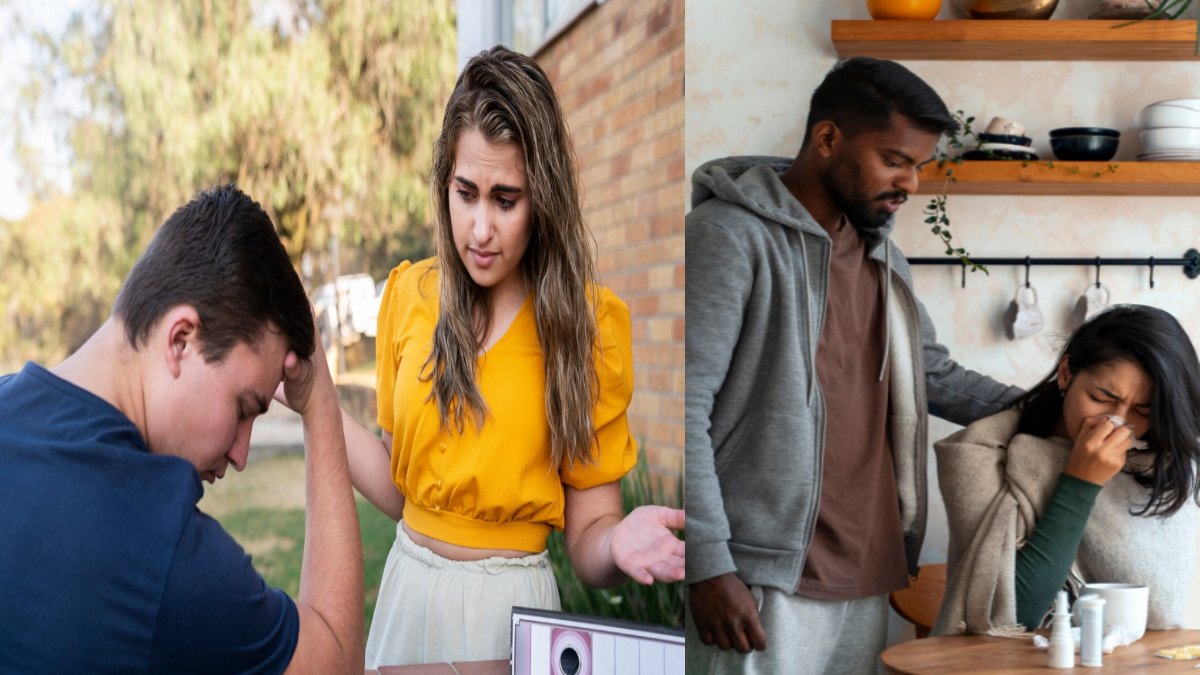
Poor communication can lead to one or both partners feeling ignored, unappreciated, and emotionally distant from one another. Honest conversations help rebuild trust and understanding.
2. Routine and Boredom
In the midst of daily routine, work, household duties, and family obligations can make relationships feel repetitive. Couples don’t create new experiences as a couple, and when couples quit creating new experiences together, the relationship may become dull and boring.
Trying new things, traveling, learning a new hobby together, or even planning date nights can bring back freshness and strengthen emotional bonds.
Related Articles

3. Emotional Neglect
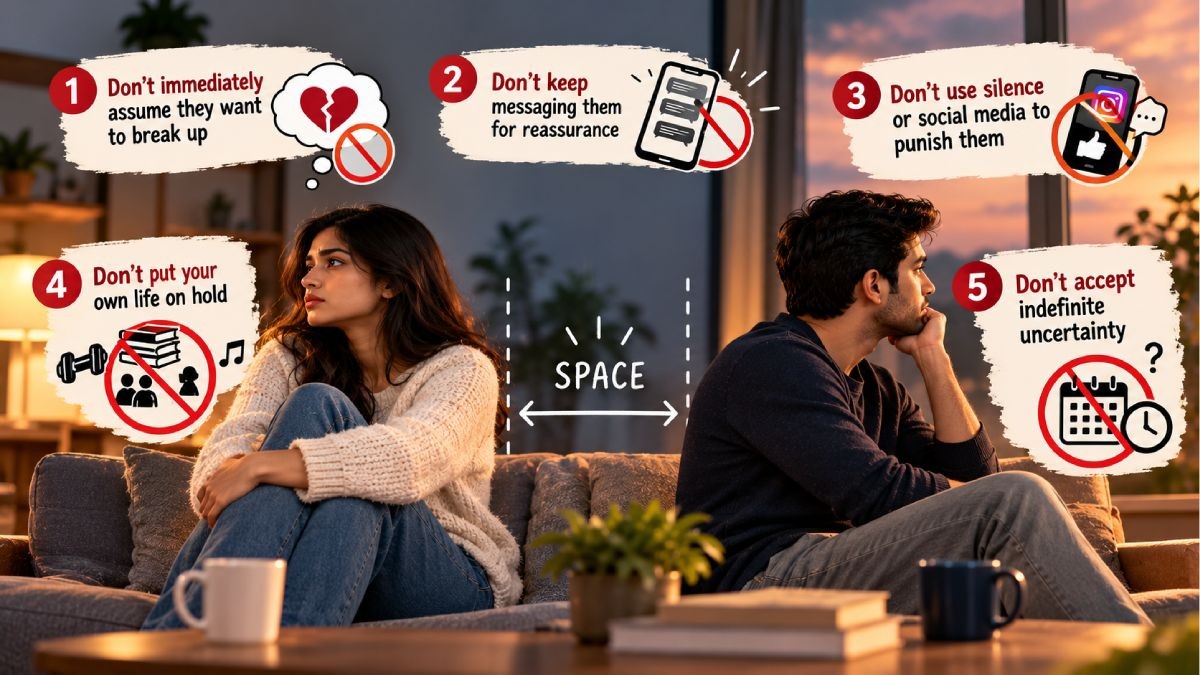
People want to be valued, supported, and understood. If one partner does not take care of the emotional needs of the other, loneliness is also a fact even if they’re living together.
Simple gestures such as showing appreciation, showing affection, and spending quality time can make a significant difference.
4. Unresolved Conflicts
Every relationship has its disagreements. But when conflicts remain unresolved or are kept on until they are done and there are no changes in behavior, resentment slowly grows.
The best way to improve relationship satisfaction is for adults to develop conflict resolution skills, respectful behavior in the midst of arguments, and look for solutions and not blame.
5. Different Life Goals
Individuals’ priorities may change over time. One spouse may be on a career path and the other wants to start a family or relocate. If these goals are not publicly communicated, emotional distance may increase.
Regular conversations about future plans help couples stay aligned and make informed decisions together.
6. Loss of Trust
Trust is easy to build but very hard to break. Dishonesty, broken promises, emotional betrayal, and infidelity can mean less emotional connection and commitment.
To win back trust, honesty, accountability, patience, and consistency that is to say, constant action in practice.
7. Lack of Appreciation
People simply want recognition of their efforts. When appreciation is taken for granted, partners might feel taken for granted.
Saying “thank you,” showing gratitude, and small acts of kindness help maintain positive feelings in a relationship.
8. Stress and Mental Exhaustion
External pressures like financial problems, stress in the workplace, health problems, or family responsibilities affect relationships.
Sometimes the lack of interest is not just one partner's loss of interest it is emotional fatigue. Supporting each other during stressful times can strengthen the relationship instead of weakening it.
9. Reduced Physical and Emotional Intimacy
Intimacy goes beyond physical affection. Emotional closeness, meaningful conversation, and mutual vulnerability are equally important.
When intimacy goes down, partners may become roommates instead of romantic companions. Prioritizing connection helps in the restoration of closeness.
10. Personal Growth in Different Directions
People change over time. Interests, beliefs, careers, and lifestyles change. If couples stop growing or do not support each other's growth, emotional distance can increase.
Healthy relationships foster individual growth and shared experiences.
When you know someone is losing interest
- Conversations are short or infrequent
- Little to no enthusiasm about spending time together
- Less emotional or physical affection
- Frequent distractions during discussions
- Increased criticism or emotional withdrawal
- Planning together
- Spending much more time apart without meaningful connection
Such signs should be recognized early to open communication rather than assumptions.
How to Rebuild Interest in a Relationship
Prioritize Quality Time
Set aside uninterrupted time to reconnect through shared activities and meaningful conversations.
Communicate Honestly
Express feelings calmly and listen without interrupting or judging.
Show Appreciation Daily
Small compliments and expressions of gratitude reinforce emotional security.
Keep Growing Together
Explore new hobbies, travel, exercise, or learn something new as a couple.
Respect Individual Space
Healthy relationships balance togetherness with personal independence.
Seek Professional Support if Needed.
Couples counseling can help in rebuilding connection in cases where communication has all but broken down or conflicts are still unresolved.
Losing interest in a relationship is often a matter of gradual emotional disconnection instead of one event. Poor communication, routine, unresolved conflicts, stress, and unmet emotional needs can slowly undermine a partnership. But the good news is that many relationships can be salvaged if both parties are open to communicating, show gratitude, and invest time in building trust and intimacy.
Every relationship goes through different seasons. If couples recognize early warning signs of their relationships and work together to maintain the emotional connection, it will ultimately bring them closer together.




Comments 0