
Chhath Puja is one of the most important Hindu festivals which are devoted to worshiping Surya Dev (Sun God) and Chhathi Maiya. It is particularly celebrated in Bihar, Jharkhand, Uttar Pradesh and parts of Nepal with great devotion. The festival is marked by strict rituals, traditional offerings and an approximately 36-hour Nirjala fast.
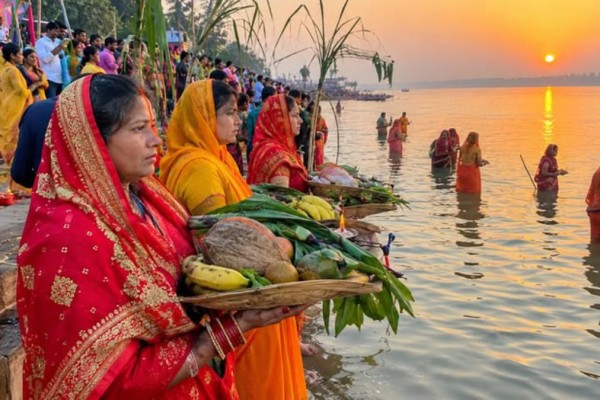
During this fast devotees traditionally do not eat or drink anything. The vrat is performed in devotion, discipline and gratitude with prayers for family happiness (prosperity), health of the family members and longevity of children.
Unlike several other Hindu fasts which allow fruits, milk or water the main Chhath fasting period is Nirjala tradition (strict). Devotees also prepare offerings carefully; keep ritual cleanliness; and pray to setting and rising Sun.
Related Articles

Chhath Puja 2026 will be celebrated from November 13 to November 16. The main evening offering on November 15 and the last morning prayers on November 16.
Why do devotees observe a 36-hour Nirjala fast during Chhath Puja?
The 36-hour Nirjala fast is one of the most important aspects of Chhath Puja. Nirjala means without water. Devotees traditionally do not eat or drink anything during this period.
The fast represents devotion, self-discipline, purity and gratitude towards the Sun God (in Hindu tradition life energy is derived from the sun).
Related Articles


Devotees worship Surya Dev and Chhathi Maiya to get blessings for the health, happiness and prosperity of their families. Many people (mostly mothers) do the vrat with prayers for the well being and longevity of their children also.
The demanding nature of the fast is also linked to the physical and spiritual discipline required to perform rituals. Devotees prepare prasad, set up puja materials and attend evening and early morning prayers while observing fasting rules.
Chhath Puja is a tradition that is passed down through generations in many families so vrat is very personal and culturally important.
When Does the 36-Hour Chhath Puja Fast Begin?
The Nirjala fast (approx. 36 hours) does not start on the first day of Chhath Puja. It starts after Kharna ritual on second day and continues till devotees complete Usha Arghya ceremony in fourth morning.
The four-day sequence for Chhath Puja 2026 is:
- November 13, Friday: Nahay Khay: Devotees take a ritual bath, clean their homes and prepare sattvik meal.
- November 14, Saturday: Kharna: Devotees fast all day and pray at evening before eating Kharna prasad. Nirjala fast starts after this meal.
- November 15 Sunday Sandhya Arghya: Devotees pray and offer worship to the setting Sun while continuing waterless fast.
- November 16 Monday: Usha Arghya and Parana: Devotees pray to rising Sun and end the fast.
The actual fasting time may be a little different depending on the timing of Kharna and morning Arghya.
What are the traditional fasting rules of Chhath Puja?
Chhath Puja has many food restrictions and cleanliness practices. These customs are followed throughout the four-day observance (though rules vary according to ritual).
1. Nahay Khay: Beginning With Purification
The first day of Chhath Puja is called Nahay Khay. Devotees take a ritual bath, clean their homes and cook food using traditional ingredients.
A common meal is kaddu bhaat (bottle gourd, chana dal and rice). Sendha namak and pure ghee are traditionally used in the preparation.
The food is prepared with great attention to cleanliness and family customs are followed in its consumption.
2. Kharna: The Preparation for the Main Fast
The second day is Kharna (also Lohanda). Devotees usually fast during the day and pray in evening.
After the ritual they eat Kharna prasad (usually includes) :
- Jaggery-based rice kheer
- Roti or chapati
- Bananas and other fruits, depending on family traditions
The prasad is first offered during the ritual and then distributed among family members.
After eating Kharna (meal), devotees begin the Nirjala fast an approximately 36-hour fast.
3. Sandhya Arghya: Prayers to the Setting Sun.
The third day is the main Chhath Puja day. People assemble near rivers, ponds and other water bodies to offer Arghya to the setting Sun.
Traditional offerings are thekua (rice), fruits, sugarcane, coconut etc. seasonal items are arranged in bamboo baskets and offered with prayers.
Devotees continue the Nirjala fast throughout evening and night.
4. Usha Arghya: Prayers to the Rising Sun
The fourth and final day begins early in the morning. Devotees return to riverbanks or designated water bodies to offer Arghya to rising Sun.
After ritual they perform Parana (end of fast). Prasad is eaten and distributed among family members, relatives and neighbours.
Why Is the Setting Sun Worshipped During Chhath Puja?
One of the unique features of Chhath Puja is that devotees pray to both the setting and rising Sun.
In the evening Sandhya Arghya is offered to Sun thanking him for life sustaining energy throughout the day. In the morning Usha Arghya welcomes rising Sun and symbolises renewal, hope and continuation of life.
The two rituals together show gratitude for nature and recognition of the Sun’s role in sustaining life on Earth.
The festival also brings communities together as families gather at riverbanks and ponds to take part in the ceremonies, sing traditional Chhath songs and share prasad.
Is the 36-hour Chhath Puja fast safe for everyone?
While Nirjala Vrat is very religious, abstaining from food and water for about 36 hours can be unhealthy.
Water deprivation can cause dehydration, dizziness, headaches, weakness and low blood pressure. Risk is greater when devotees are out in the sun for long periods of time, stand in water or take part in physically demanding preparations.
Certain groups should be particularly cautious:
- People with diabetes or blood sugar regulation problems
- Individuals with kidney or heart conditions
- Pregnant or breastfeeding women
- Older adults
- People taking medicines that require food or regular hydration
- Individuals recovering from an illness
Anyone planning a long waterless fast for a medical condition should consult with a healthcare provider first.
If a devotee has severe dizziness, fainting, confusion, unusual weakness or rapid heartbeat medical attention must be given first. Going on with the fast despite serious symptoms is dangerous.
Religious observance shouldn’t put someone’s health at risk. Families can talk with religious elders when a strict Nirjala fast is not medically possible about suitable alternatives.
Why Chhath Puja Holds Special Significance in Indian Culture
Chhath Puja is not just a fast. It is devotion, gratitude to nature, family traditions and community participation.
The festival is very important in Bihar, Jharkhand and eastern Uttar Pradesh where preparations start days before main rituals. Homes and surroundings are cleaned; traditional food is prepared; families gather to arrange offerings.
Thekua, sugarcane, fruits and other traditional items form part of the celebrations. Folk songs related to Chhath are also sung during rituals which keep cultural traditions alive from one generation to another.
The worship of the setting and rising Sun makes it unique. It reminds devotees of nature, discipline and gratitude.
Frequently Asked Questions
1. Why is Chhath Puja one of the strictest Hindu fasts?
Chhath Puja is one of the strictest Hindu fasts because devotees traditionally fast for about 36 hours (Nirjala Vrat) they do not eat or drink anything at all. They also prepare offerings and participate in evening and morning prayers.
2. When does the 36-hour Chhath Puja fast begin in 2026?
Nirjala fast starts after devotees consume Kharna prasad on 14 November 2026 and continues till morning Arghya on 16 November.
3. Can devotees drink water during the Chhath Puja Nirjala fast?
Under the traditional Nirjala rules devotees are to abstain from food and water during the main fasting period. People with medical conditions should seek advice before attempting prolonged waterless fasting.
4. When is Chhath Puja 2026?
Chhath Puja 2026 will be celebrated from November 13 to November 16. Sandhya Arghya will be performed on November 15 and Usha Arghya on November 16.
5. Why do devotees worship the setting Sun as well as the rising Sun?
Devotees pray to the setting Sun in gratitude and worship the rising Sun to welcome renewal, energy and life itself.
6. What food is prepared during Kharna?
Traditional Kharna prasad usually includes jaggery-based rice kheer and roti. Food is prepared in ritual cleanliness and offered before being eaten.
7. When is the Chhath Puja fast broken?
The fast is broken after Usha Arghya (morning offering to the rising Sun) on 16 November 2026. This is Parana.




Comments 0