
Tulasi Puja is an important part of Hindu tradition as the Tulasi plant is considered sacred and worshipped as a form of Goddess Lakshmi and Goddess Vrinda. Devotees worship this plant at home regularly for peace, prosperity and happiness. One of the most important events associated with Tulasi worship is Tulsi Vivah a traditional marriage ceremony where Goddess Tulasi gets married to Lord Vishnu.
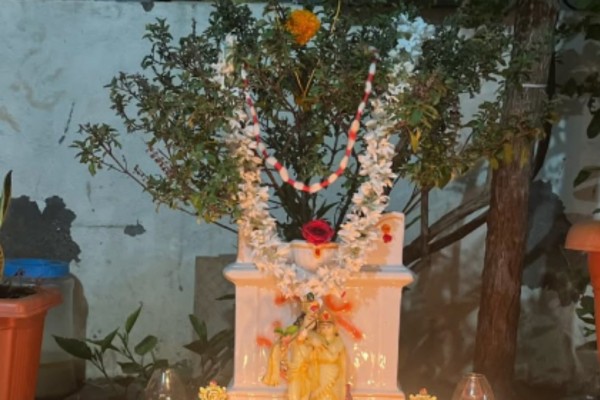
In 2026 Tulsi Vivah will be celebrated today. It is celebrated during Kartik Shukla Dwadashi after Dev Uthani Ekadashi.
When Is Tulasi Puja in 2026?
Tulsi Vivah 2026 today. Dwadashi Tithi starts at around 6:31 AM on November 21 and ends at 4:56 AM on November 22 (New Delhi Panchang).
Related Articles


The main wedding ceremony is usually performed in the evening (around Godhuli Vela or around sunset). Exact auspicious time depends on location.
Some families also perform Tulsi Vivah on the evening of 20 November (Dev Uthani Ekadashi). Devotees should follow family tradition and local Panchang.
Why Is Tulasi Puja Important?
Tulasi is closely associated with Lord Vishnu and Goddess Lakshmi in Hindu beliefs. Worship of the sacred plant brings positive energy, happiness and prosperity into the home.
Related Articles


Tulsi Vivah also marks the end of Chaturmas (four-month period in which Lord Vishnu is said to be resting in a divine state). It is the beginning of traditional Hindu wedding season.
Tulasi Puja Rituals to Follow at Home
Devotees can perform Tulasi Puja at home by following simple traditional rituals.
- 1. Clean the Puja Area: Clean the area around Tulasi plant and decorate it with rangoli and flowers.
- 2. Decorate the Tulasi plant: Decorate the plant with a red or yellow chunari, flowers, bangles and other traditional ornaments. Some families make small mandap using sugarcane stalks.
- 3. Light a Diya: Light an oil or ghee lamp near the Tulasi plant. Offer incense sticks and flowers while praying.
- 4. Offer Prasad: Offer fruits, sweets, coconut and other traditional offerings to Goddess Tulasi.
- 5. Perform the Wedding Ritual: For Tulsi Vivah place a Shaligram stone or idol of Lord Vishnu near the Tulasi plant. Perform symbolic wedding with traditional rituals, prayers and mantras.
- 6. Perform Aarti: The ceremony ends with aarti and prasad distribution among family members.
What Items Are Required for Tulsi Vivah?
The puja materials commonly used are Tulasi plant, Shaligram stone or Vishnu idol, flowers, garlands, turmeric, kumkum, sandalwood paste, incense sticks, diya, fruits, sweets, coconut, red chunari and sugarcane stalks.
Daily Tulasi Worship and Its Traditions
Apart from the annual Tulsi Vivah celebration, many Hindu households worship Tulasi plant every morning and evening. Devotees offer water in the morning; light a lamp in the evening; pradakshina (circumambulation) while offering prayers.
Some families practice certain traditional practices (e.g., no plucking on some days and after sunset).
Tulasi Puja is not only a religious ritual but also devotion, purity and respect for nature. Devotees celebrate Tulsi Vivah through prayers and traditional customs to seek blessings of God for their families.




Comments 0