
More than 78,000 devotees have paid homage to the sacred relics of Shakyamuni Buddha at three locations in Arunachal Pradesh during a special exposition. The Ministry of Culture has organised it with the help of Arunachal Pradesh government and other cultural institutions. People from different Buddhist traditions were brought together by the event organised by the ministry.
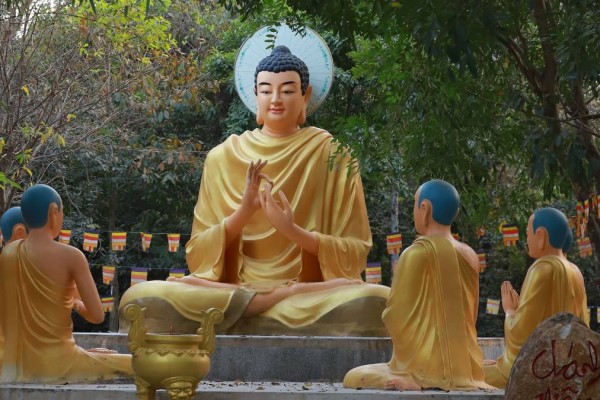
Footfalls in Tawang, Bomdila and Namsai cumulatively touched 78,000 by November 15, 2026, says the Ministry of Culture. The exposition has given devotees an opportunity to pay their respects to sacred relics and reconnect with Lord Buddha’s life and teachings.
Sacred Relics Travel Across Three Locations
The exposition started on October 31 at Gaden Namgyal Lhatse (popularly known as Tawang Monastery). It ended on November 7 and more than 31,000 devotees participated.
Related Articles
The relics were then taken to Thubchog Gatsel Ling Monastery (also known as Lower Gompa) in Bomdila. The six-day exposition (November 8–13) attracted more than 35,000 visitors.
The final phase started at Golden Pagoda (Kongmu Kham) in Namsai on November 14. More than 12,000 devotees visited the site during the first two days of exposition.
Public darshan at the Golden Pagoda will continue till November 20 and arrangements have been made by the district administration to look after visitors from different regions.
Related Articles


Where do the sacred relics of Lord Buddha come from?
The sacred relics on display in Arunachal Pradesh are held at the National Museum in New Delhi. They come from Piprahwa in Siddharthnagar district of Uttar Pradesh which was once Kapilavastu and Shakya tradition of Lord Buddha.
Piprahwa is an archaeological site associated with early history of Buddhism. Relics are not only spiritually important but also historical and archaeological.
Veneration of Buddha’s relics began after his Mahaparinirvana. These relics were enshrined in stupas which became over time important centres of Buddhist worship and pilgrimage.
The relics have come back to Arunachal Pradesh after 13 years so devotees in the state have another opportunity to pay homage.
An Exposition Reflecting Different Buddhist Traditions
One of the important aspects of the exposition is the representation of different Buddhist traditions in Arunachal Pradesh.
Tawang and Bomdila have Mahayana and Vajrayana Buddhist traditions while Namsai has a strong Theravada Buddhist heritage. Communities such as Tai Khamti and Singpho have preserved Buddhist customs, monasteries, festivals and religious practices in the region.
The movement of relics among these sites brought devotees from different communities and traditions together which shows the diversity of Buddhism in India.
Special Exhibitions Highlight Buddhist History and Culture
Along with the display of sacred relics two special exhibitions have been organised at Meditation Centre of Golden Pagoda.
The first exhibition is Unearthing the Sacred Piprahwa: The Story of Holy Buddha Relics and Their Discovery which tells about the archaeological discoveries at Piprahwa and history of Buddhist relic veneration; how the Piprahwa jewel collection returned to India in 2025 after more than a century.
The second exhibition Crossroads of Dhamma: Classical Legacies, Living Art and Anthropological Perspectives presents the artistic and cultural legacy of Buddhism as well as how it shapes communities and traditions.
Both exhibitions seek to inform visitors of the historical journey of Buddhist heritage and why it needs to be preserved for future generations.
Why Buddha's Teachings Continue to Matter
Beyond the historical dimension of relics, exposition has also focused attention on how current Buddha’s teachings are.
Compassion, wisdom, mindfulness, nonviolence and reduction of suffering are all central to Buddhism. These principles still inform spiritual practice and everyday life in many parts of the world today.
For devotees paying homage to sacred relics is faith and reverence. They are also occasions for reflection on what values were attached to Buddha’s teachings and where they fit in contemporary society.
The exposition in Arunachal Pradesh is therefore not only a religious event but also an occasion to recognise India’s Buddhist heritage and the communities which have preserved it over generations.
The sacred relics will return to the National Museum in New Delhi on November 21 after the Namsai exposition ends.




Comments 0