
Deepavali (also known as Diwali) is one of the most important festivals in Hinduism and celebrated with great devotion and enthusiasm all across India. The festival of lights represents victory of good over evil, knowledge over ignorance and light over darkness.
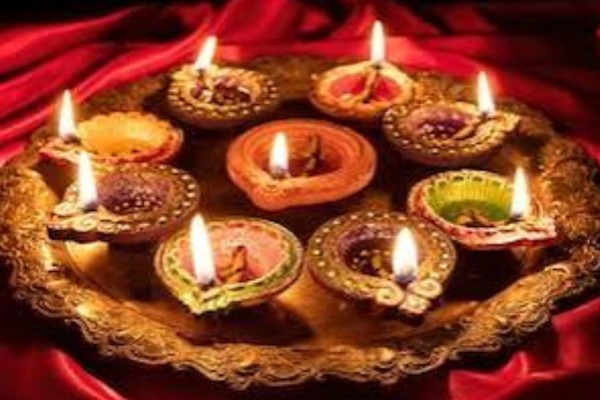
One of the most beautiful traditions associated with Deepavali is lighting oil lamps or diyas outside homes (near main entrance, balconies, verandas, windows and terraces).
As Deepavali 2026 draws near households are decorating their homes with colourful rangolis, flowers, decorative lights and earthen lamps. But lighting diyas during Diwali is not just about decorating homes or creating festive atmosphere. It has religious, spiritual and cultural significance too.
Related Articles


Hindus believe that by lighting lamps on Diwali they welcome Goddess Lakshmi goddess of wealth and prosperity into the home; remove negativity from the house; bring happiness, peace and positive energy into the household. It carries symbolic message that light always prevails over darkness and hope can overcome difficulties. That’s why millions of people follow this centuries old tradition every year.
One of the most important religious reasons for lighting diyas on Deepavali is that Goddess Lakshmi visits homes on this auspicious day. In Hindu traditions, Goddess Lakshmi is worshipped as the deity of wealth, prosperity, fortune and abundance.
On Diwali night devotees do Lakshmi Puja and decorate their homes to welcome goddess; oil lamps near the main entrance are part of these preparations. Many households light diyas on both sides of their entrance because they believe the illuminated doorway symbolically welcomes Goddess Lakshmi into their lives and invites prosperity.
Related Articles


People clean homes, decorate entrances with colourful rangolis and flowers and arrange traditional puja materials before evening rituals. Main entrance is considered important space because it is through which blessings, opportunities and positive energy enter in household. So keeping entrance clean decorated and lighted is auspicious during Deepavali.
Another important meaning of lighting diyas is that it signifies the victory of light over darkness. In Hindu philosophy darkness represents ignorance, negativity, fear and uncertainty; light knowledge, wisdom, hope and positivity. Lighting a small diya in a dark room symbolises the idea that even a little bit of light can remove darkness.
This spiritual message is one of the central themes of Deepavali celebrations people are told to move away from negative thoughts, overcome difficulties and welcome new beginnings with confidence. During Diwali families decorate their homes with rows of earthen lamps so that there is a bright welcoming atmosphere everywhere.
Lamps are also associated with spreading happiness and positivity among family members, friends and neighbours. For many devotees lighting a diya is not only a ritual but faith, gratitude and desire for peace and prosperity.
Lighting diyas is also traditionally associated with happiness, abundance and positive energy in the house. Hindu customs say that main entrance of a home is sacred as it symbolically links outside world to family people decorate this area during Deepavali with rangolis, mango leaves flowers etc and traditional lamps.
It is believed that an illuminated beautifully decorated entrance welcomes auspiciousness and prosperity into the house. Families light lamps in prayer rooms, courtyards balconies near Tulsi plants etc as part of their festive traditions.
This brings families together (children help elders arrange lamps and decorate different parts of the house), beyond religious beliefs these activities strengthen family ties and preserve cultural traditions across generations. Seeing hundreds of glowing diyas in neighbourhoods creates togetherness and makes Deepavali one of the most visually beautiful festivals in India.
Apart from religious beliefs, lighting lamps during Deepavali is sometimes explained by seasonal practices. The festival is usually after monsoon season when temperature humidity and environmental conditions change.
Oil lamps were an important source of illumination in earlier times (homes and outdoors where electric lighting was not available). Cleaning houses, drying household spaces and lighting lamps were practical activities associated with the change of seasons.
Traditional oil lamps also produce warmth and natural light. Some popular explanations say that diya flames kill bacteria viruses and harmful microorganisms in the atmosphere or ghee lamps purify the air around us.
Such claims should be treated with caution because there is no scientific evidence that ordinary oil or ghee lamps can disinfect rooms or eliminate airborne infections; burning oil chemically removes pollutants from air is not scientifically established either (smoke and particulate matter released by burning fuels contribute to indoor air pollution even in well ventilated spaces). So traditional lamps need to be used carefully with ventilation and safe placement only.
Another interesting aspect of the Deepavali tradition is that it relates to Amavasya new moon night. Diwali is traditionally celebrated on the darkest night of Kartika’s preceding period in Hindu lunar month and so the illumination of homes becomes very symbolic as natural moonlight is minimal during Amavasya (new moon night).
People decorate their surroundings with lamps to brighten the night. Rows of diyas make a beautiful contrast against darkness and symbolise the triumph of goodness and hope; it also reflects the wider spiritual message of moving from ignorance to knowledge and from despair to happiness. In many Indian households lighting first diya is considered auspicious beginning of evening celebrations.
Families pray, distribute sweets, gifts are exchanged and time spent together while lamps light up their homes. While modern decorations and electric lights have taken over these days earthen diyas still hold a special place in Deepavali celebrations.
Deepavali 2026 is therefore an opportunity to understand and appreciate the deeper meaning of a simple yet meaningful tradition. Lighting diyas outside homes isn’t just decoration; it’s faith, devotion, hope, prosperity and victory of light over darkness too.
Whether people light clay lamps filled with oil, ghee lamps or decorative lights the message remains the same: welcome positivity, share happiness and spread light in other people’s lives. As families prepare for the festival the tradition of lighting diyas connects generations to India’s cultural and spiritual heritage.




Comments 0