
Lord Rama is one of the most revered and worshipped deities in Hinduism. He is considered to be the seventh avatar of Lord Vishnu. Rama is thought to be a symbol of truth, righteousness, compassion, courage and devotion. His life story (mainly told in the ancient Hindu epic Ramayana) inspires millions of people across generations.
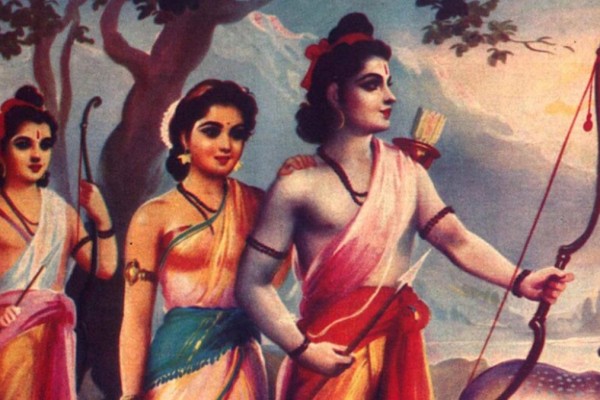
Maryada Purushottama (meaning the ideal man who follows righteousness and moral principles) is Lord Rama. He represents discipline and responsibility in life.
The Birth and Early Life of Lord Rama
Lord Rama was born in Ayodhya to King Dasharatha and Queen Kaushalya. He had three brothers Bharata, Lakshmana and Shatrughna. From an early age Rama showed courage humility kindness respect for elders.
Related Articles

He was taught by sages how duty, discipline and protecting righteousness are important. As a youth he accompanied Sage Vishwamitra to protect religious ceremonies from demons; later he married Goddess Sita after lifting and stringing Lord Shiva’s bow during Swayamvara in Mithila.
The 14-Year Exile and the Abduction of Sita
One of the most important chapters in Rama’s life was when he was sent into an exile for 14 years because his father King Dasharatha had promised Queen Kaikeyi that Rama would be given to her.
Though Rama was entitled to be king he did not resent it. Goddess Sita and his loving brother Lakshmana went with him into the forest.
Related Articles


During their exile Ravana the king of Lanka abducted Sita. This was the turning point of Ramayana. Rama started searching for her and he got help from Hanuman, Sugriva and Vanara army too.
Hanuman’s devotion and courage helped Sita be found and contact established with her in Lanka.
The Battle Against Ravana
With the army of Vanara Rama went towards Lanka and fought a major battle with Ravana. It was struggle between righteousness and evil.
After a fierce battle Rama killed Ravana and rescued Sita. Victory over arrogance, injustice and wrongdoing is celebrated as truth.
Once their exile was over Rama, Sita and Lakshmana returned to Ayodhya. Diwali (festival of lights) is traditionally associated with their return — it celebrates the triumph of good over evil.
Lord Rama's Spiritual Significance
Lord Rama is not just a god. His life teaches us several spiritual lessons that are still relevant today in modern society.
- Dharma and righteousness: Rama tells us to follow our responsibilities and moral values even when things get hard.
- Respect for relationships: His relationships with Sita, Lakshmana, Bharata and Hanuman show love, loyalty, sacrifice and mutual respect.
- Humility and self-control: Even though he was born into royalty and possessed extraordinary abilities, Rama is remembered for being humble and disciplined.
- Victory of good over evil: His victory over Ravana reminds devotees that arrogance, greed and injustice cannot ultimately defeat righteousness.
The Importance of Lord Hanuman's Devotion
The relationship between Lord Rama and Hanuman is one of the greatest examples of devotion in Hindu tradition. Hanuman’s faith, courage and willingness to serve Rama show us what selfless devotion can do spiritually.
For many devotees chanting Rama's name and reciting the Hanuman Chalisa are ways of expressing faith and seeking spiritual strength.
Why Lord Rama Remains Relevant Today
Lord Rama’s teachings still shape Indian culture, literature, festivals, traditions and everyday spiritual practices. His story reminds people that greatness is character, responsibility, compassion and commitment to truth.
For devotees remembering Lord Rama is not only an act of worship but also a chance to think about values and conduct.
His life gives us a timeless spiritual message: Do right over wrong; love over hate; truth over lies.




Comments 0