
In Hinduism the Navagraha have a place in spirituality, astrology and religious tradition. The word Navagraha is made up of two Sanskrit words — Nava (nine) and Graha (celestial bodies). The nine planetary forces are called Navagraha; they govern different aspects of human life such as health, relationships, career, prosperity and personal growth.
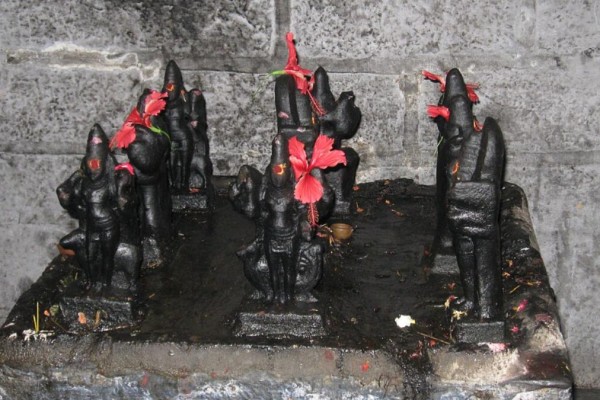
Devotees worship these nine celestial deities to get blessings, ease difficulties and balance life. Navagraha worship is done in temples and during special religious rituals all over India.
Who Are the Nine Navagrahas?
The Navagraha are nine celestial deities associated with each planetary influence.
Related Articles


- Surya (Sun): Surya stands for energy, confidence, leadership, authority and vitality. Worship of the Sun is traditionally said to increase self-confidence and good health.
- Chandra (Moon): Chandra is the mind, emotions, peace and mental stability. Devotees worship Moon for emotional balance and happiness.
- Mangala (Mars): Mangala is courage, strength, determination and ambition. Property, discipline and physical energy are associated with it as well.
- Budha (Mercury): Budha is intelligence, communication, education and business skills. Worship has traditionally been associated with wisdom and clear thinking.
- Guru or Brihaspati (Jupiter): Jupiter is knowledge, spirituality, prosperity, good fortune and guidance. It is an important planet for education and personal development.
- Shukra (Venus): Shukra is related to love, beauty, relationships, comfort and material happiness. Devotees seek blessings for harmony and prosperity.
- Shani (Saturn): Discipline, patience, responsibility and karma are all associated with Shani. In Hindu mythology Shani teaches important life lessons through challenges and experiences.
- Rahu: Rahu is a shadow planet of ambition, desires, sudden changes and worldly attachment. Worship is traditionally invoked to help devotees overcome confusion and obstacles.
- Ketu: Detachment, spirituality, intuition and liberation. Inner awareness and journey towards spiritual understanding.
Spiritual Significance of Navagraha Worship
The spiritual significance of Navagraha worship is not only astrological; it helps people understand the relationship between actions, responsibilities and life experiences.
Each planet represents different qualities that people can develop in their daily lives. Surya encourages confidence; Chandra emotional balance; Shani patience and discipline.
Devotees pray and meditate to find inner peace, positive thinking and strength to deal with difficult situations.
Related Articles


Why Do Devotees Visit Navagraha Temples?
Navagraha temples attract devotees who believe positions of planets in the sky can affect different phases of life. Many people visit these temples during difficult periods (as identified by their birth charts).
Special prayers, archana, abhishekam and other traditional rituals are performed for divine blessings. Some devotees fast on some weekdays or chant planetary mantras.
In Tamil Nadu, the Navagraha temples around Kumbakonam are very famous among devotees. People visit these temples to seek blessings of nine planetary deities.
Navagraha and the Importance of Karma
One of the deeper spiritual messages associated with Navagraha worship is karma. Hindu philosophy states that actions have consequences and people should follow the path of righteousness (i.e., dharma).
Shani is associated with karma (discipline and responsibility), the other planetary deities represent different aspects of human experience.
Instead of seeing planetary influences only in terms of fear, devotees are urged to worship with faith, patience and self-improvement.
Conclusion
The Navagraha occupy a special place in Hindu spirituality. Each of the nine celestial deities has different energies and life lessons (balance, discipline, wisdom and devotion).
Navagraha worship is a traditional way for devotees to get guidance from God, develop good qualities and peace in difficult times. Ultimately the spiritual message of Navagraha worship is to live responsibly, do good things and have faith in life’s journey.




Comments 0