
Lighting a diya is one of the most meaningful traditions in Hindu culture. From morning prayers every day to Diwali, Dhanteras and other religious festivals lighting an oil lamp is considered spiritual practice. A small flame symbolizes hope, knowledge purity and victory over evil.
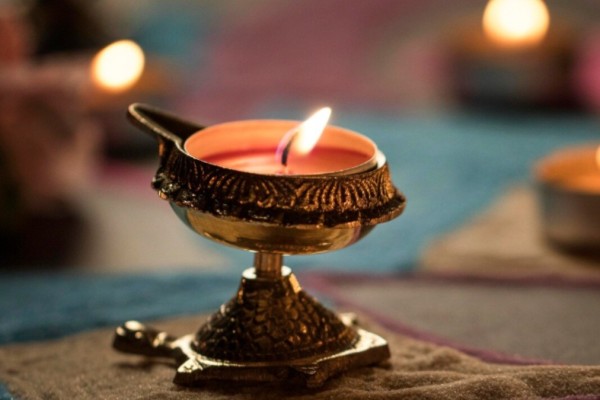
In Hindu tradition a diya is more than just a light source. It represents the removal of darkness from our surroundings and ignorance from our minds. Many households begin their day by lighting a lamp in front of their favourite deity or near the home prayer area.
But what is the spiritual meaning of lighting a diya and why has it been done for generations?
Related Articles


1. Symbol of Knowledge and Wisdom
One of the main spiritual reasons for lighting a diya is because it symbolizes knowledge. Darkness is traditionally associated with ignorance whereas light is wisdom and understanding.
The flame reminds devotees to move away from negative thoughts, confusion and ignorance. It also represents learning, self-awareness and making right choices in life.
2. Represents the Victory of Good Over Evil
In Hindu religious tradition light is associated with goodness, positivity and divine energy. When a diya is lit it is said to symbolise the victory of good over evil (truth) and vice versa.
Related Articles


This meaning is particularly important during Diwali when millions of people light their homes to celebrate the return of Lord Rama to Ayodhya after defeating Ravana.
3. Inviting Goddess Lakshmi's Blessings
Lighting diyas is associated with worship of Goddess Lakshmi (wealth, prosperity and abundance).
Devotees light lamps near their entrances, prayer rooms and around their homes during Diwali and Dhanteras. Illuminated and clean surroundings are believed to be a welcoming environment for Goddess Lakshmi.
The ritual also teaches gratitude and responsible use of wealth.
4. Symbol of Purity and Positive Energy
A diya is traditionally associated with purity and devotion. Lighting a lamp during prayers creates a peaceful atmosphere and allows devotees to concentrate on worship.
The soft flame can also be used as focus during meditation and prayer. Watching it quietly may make people feel calm and mindful.
5. Five Elements Represented in a Diya
In Hindu philosophy the universe is traditionally conceived through five elements: earth, water, fire, air and space.
A traditional diya can be symbolized by these elements: clay lamp is earth, oil or ghee (ghee being clarified butter) is liquid element, flame is fire, air supports combustion and space sets the stage for light.
This symbolism ties together a daily ritual with broader understanding of nature and universe.
6. Why do people light Diyas in the morning and evening?
Many Hindu households light a diya during morning and evening prayers.
The morning lamp represents new beginning, gratitude and divine guidance for the day ahead; evening lamp peace, protection and darkness being removed as day ends.
Some families also light lamps near their entrances, tulsi plants and prayer spaces as part of traditions.
7. Spiritual Message Behind Lighting a Diya
The deeper message of lighting a diya is that even a small flame can bring light into darkness. Small positive actions, kindness, honesty and compassion too make all the difference in life.
Lighting a diya is therefore not only religious practice. It’s also a reminder to be wise, peaceful and positive.
Whether done during daily prayers or grand festivals, this age-old tradition tells people to bring light not only into their homes but also into their thoughts and actions.




Comments 0