
A confessional room has a special place in Christian religious traditions (in particular the Catholic Church). It is a sacred space where people confess their sins, ask for forgiveness and reflect on their relationship with God. But beyond its physical structure the confessional room also represents repentance, spiritual healing, humility and a new beginning.
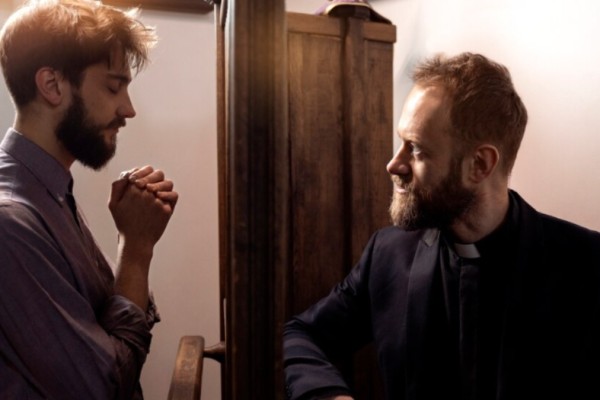
For many believers going into a confessional room is one step on the path to inner peace and faith.
What Is a Confessional Room?
A confessional room (or simply a confessional) is a room inside a church where a person meets a priest to confess his sins. Traditionally it is associated with the Catholic sacrament of Reconciliation (Confession or Penance).
Related Articles


A traditional confession is usually a wooden box with the priest and person confessing separated. Some churches have private rooms where people can speak directly to the priest.
This arrangement is meant to be private and respectful space for spiritual conversation.
Symbol of Repentance and Forgiveness
One of the most important spiritual meanings of a confessional room is repentance — it makes people admit to their mistakes, take responsibility for them and genuinely ask for forgiveness.
Related Articles


Christian teaching says that recognising wrongdoing is part of spiritual growth. Confession gives believers an opportunity to say they are sorry, ask God for mercy and make a genuine commitment to change behaviour.
The room therefore represents the belief that forgiveness and spiritual renewal are possible.
A Place for Spiritual Healing
A confessional room is also linked to emotional and spiritual healing. People may carry guilt, regret or inner conflict because of their past actions.
Confession gives us the opportunity to talk about these struggles with a priest and receive spiritual direction. Prayer, reflection and sacrament of Reconciliation restore believers’ relationship with God.
For many Christians this experience is comfort, hope and a renewed sense of purpose.
Importance of Privacy and Trust
Privacy is another aspect of the confessional room. Sacramental confession is confidential so people can speak honestly about their mistakes without embarrassment in public.
Priests are bound by the seal of confession in Catholic tradition: they have an absolute obligation to keep what is revealed in sacramental confession secret.
This sacred responsibility gives trust and invites sincere self-examination.
Connection Between Confession and Spiritual Growth
Confession has spiritual value beyond just admitting mistakes. It also motivates believers to have better values, practise kindness and be more responsible in their daily life.
After confession people are to show genuine repentance in action — apologizing to someone they have hurt; correcting their mistakes; making an effort not to repeat harmful behaviour.
Penance is also part of the sacrament (prayer or other acts of spiritual reflection).
Why Does the Confessional Room Matter?
The confessional room represents the Christian view that people are imperfect but can forgive and work toward becoming better persons.
It reminds believers that faith is honest, humble and accountable. It doesn’t just focus on past mistakes — the experience tells people to move forward with new commitment and hope.
Ultimately the confessional room is not just a place in church it’s symbolic space for repentance, reconciliation mercy and spiritual transformation. It reminds believers that forgiveness can be an important step on the road to a more meaningful relationship with God and a more compassionate way of living.




Comments 0