
Kedarnath Temple is one of the holiest pilgrimage sites in Hinduism. Situated in Garhwal Himalayan region of Uttarakhand, ancient temple dedicated to Lord Shiva draws thousands of devotees for spiritual peace, blessings and liberation. Surrounded by snow-covered mountains and beautiful natural scenery Kedarnath is a powerful centre of faith, devotion and divine energy.
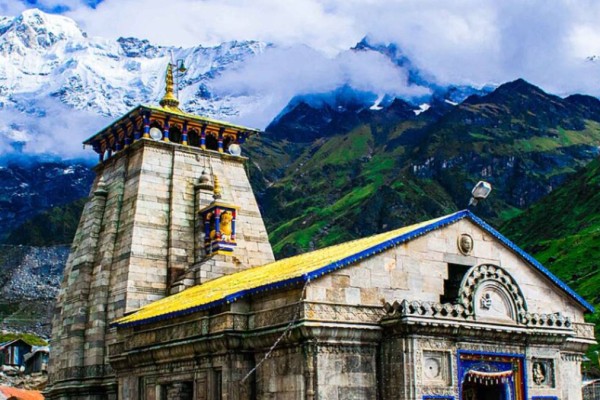
But beyond its beautiful surroundings the temple has great spiritual importance in Hindu tradition. It is one of the 12 Jyotirlingas of Lord Shiva and occupies an important position among Char Dham pilgrimage sites in Uttarakhand.
1. Kedarnath as One of the 12 Jyotirlingas
One of the biggest spiritual reasons why Kedarnath is important is because it’s one of the 12 Jyotirlingas (in Hindu belief a jyotirlinga is the infinite and divine form of Lord Shiva).
Related Articles


Devotees believe that visiting a Jyotirlinga and praying to Lord Shiva removes negative energies, strengthens spiritual faith and gives inner peace. Kedarnath is especially revered because of its remote Himalayan location (which adds to its association with meditation, devotion and spiritual discipline).
2. Connection with the Mahabharata
Kedarnath is associated with the Pandavas from Mahabharata according to Hindu mythology.
After the Kurukshetra war the Pandavas wanted to ask Lord Shiva forgiveness for sins committed in the battle but Shiva did not want to meet them so he assumed a bull’s form.
Related Articles


When the Pandavas recognized him Shiva went down into the ground. His hump appeared at Kedarnath while other parts of his divine form are connected with the temples remaining in Panch Kedar.
This legend makes Kedarnath a place where devotees come for forgiveness, purification and spiritual transformation.
3. The Importance of Panch Kedar
Kedarnath is the largest temple of the five sacred temples (Panch Kedar) collectively. The other four are Tungnath, Rudranath, Madhyamaheshwar and Kalpeshwar.
These temples represent different manifestations of Lord Shiva according to Hindu tradition. Pilgrimage to Panch Kedar temples is considered to be a spiritual journey for Shiva devotees.
4. Symbol of Faith, Sacrifice and Spiritual Strength
Reaching Kedarnath is not just a pilgrimage but also a test of determination and faith. The difficult mountain journey, changing weather and difficult terrain require physical preparation as well as mental strength.
For many devotees completing the journey is surrender to Lord Shiva and faith in overcoming life’s obstacles.
The quietness and beautiful Himalayan scenery also inspire meditation, self-reflection and a closer relationship with spirituality.
5. Connection with Moksha and Inner Peace
In Hindu philosophy moksha means liberation from the cycle of birth and death. Lord Shiva is worshipped as a divine force associated with transformation, destruction of ignorance and spiritual liberation.
Devotees say that praying at Kedarnath brings them closer to spiritual awareness and asks Lord Shiva for blessings so they can lead a peaceful life.
While spiritual experiences may vary from person to person, the temple is still a powerful symbol of devotion and faith.
6. Kedarnath as an Important Char Dham Destination
Kedarnath is one of the four destinations of Uttarakhand’s Char Dham pilgrimage (Badrinath, Gangotri and Yamunotri).
For Hindu pilgrims completing this pilgrimage is a very important spiritual experience. Kedarnath is associated with Lord Shiva so it’s especially meaningful if you want to strengthen your religious connection.
Conclusion
Kedarnath Temple is not just an ancient temple. It is devotion, forgiveness, spiritual strength and Lord Shiva’s eternal presence. Its association with the 12 Jyotirlingas, Mahabharata and Panch Kedar makes it one of the most significant pilgrimage centres in Hinduism.
For the devotees who visit Kedarnath they get to move away from everyday worries, get to witness faith in action and seek blessings of Lord Shiva in the calm environs of Himalayas.




Comments 0