
Diwali is one of the most widely celebrated festivals in India. It is known as the Festival of Lights because it brings families and communities together through prayers, decorations, sweets, fireworks and traditional celebrations. But Diwali is more than just a festival of lights and happiness it has religious, cultural and spiritual meanings too.
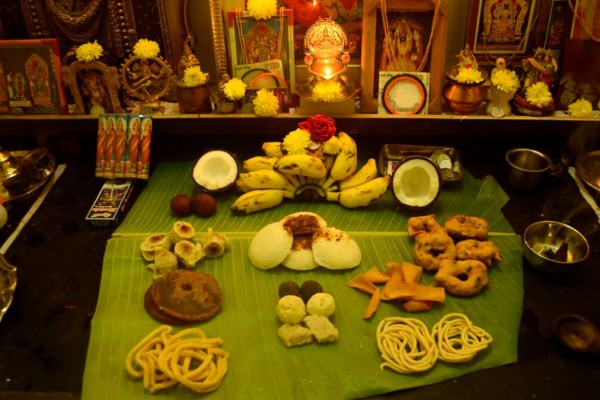
The festival signifies the victory of good over evil, light over darkness and knowledge over ignorance. Different communities celebrate Diwali for different mythological and historical reasons but the same message is conveyed: goodness and hope always win out against darkness.
The Story of Lord Rama's Return to Ayodhya
One of the most popular reasons for celebrating Diwali comes from Hindu epic Ramayana. Lord Rama came back to Ayodhya after 14 years in exile with Goddess Sita and his brother Lakshmana.
Related Articles

During this period Rama defeated the demon king Ravana and rescued Sita restoring peace and righteousness. When Rama returned to his kingdom people of Ayodhya welcomed him with rows of oil lamps all over the city.
This tradition is one of the origins of lighting diyas during Diwali. The glowing lamps signify happiness, hope and victory of righteousness over evil.
The Victory of Lord Krishna Over Narakasura
In several parts of South India Diwali is associated with another important mythological story involving Lord Krishna.
Related Articles


Narakasura the demon king caused suffering and terror among people in Hindu mythology. Lord Krishna defeated him and released those who had been held captive.
The victory is remembered as Naraka Chaturdashi (celebrated just before the main Diwali festivities in many regions). It denotes destruction of arrogance, cruelty and evil.
Why Do We Worship Goddess Lakshmi on Diwali?
Another reason for celebrating Diwali is worship of Goddess Lakshmi who is the goddess of wealth, prosperity and good fortune.
Devotees believe that Goddess Lakshmi blesses homes with happiness and abundance. Families clean and decorate their houses before the festival, light diyas and prepare special offerings beforehand.
Lord Ganesha is also worshipped along with Goddess Lakshmi because he is the one who brings wisdom and removes obstacles. Prayers are offered with the hope that next year will be prosperous and peaceful.
Why Do We Light Diyas During Diwali?
Lighting diyas is one of the most familiar traditions of Diwali. The festival occurs around Amavasya (the new moon night) when the sky is naturally dark.
Small oil lamps light up homes, temples, streets and neighbourhoods. But they are not just decoration; they have a spiritual meaning too. They are the light of knowledge, positive thinking and inner strength.
Diwali reminds people to remove negativity from their lives and welcome new beginnings with hope and happiness.
How Do Sikhs and Jains Celebrate Diwali?
Diwali is not just a Hindu festival. For Sikhs it falls on Bandi Chhor Divas — when Guru Hargobind Ji and 52 princes were freed from prison in 1619.
For Jains Diwali is the day on which Lord Mahavira (24th Tirthankara) attained nirvana. It is regarded as an important day of spiritual liberation.
These different traditions show how the festival has diverse meanings in communities.
The Spiritual Message Behind Diwali
Diwali is ultimately about hope, kindness, gratitude and new beginnings. Its traditions are meant to bring families together, help those in need and move away from negativity.
Whether by lighting a diya, praying, eating sweets or spending time with loved ones the festival reminds everyone that even a small light can brighten darkness.
That is why Diwali has a special place in Indian culture and is celebrated with devotion and happiness by generations.




Comments 0