
Monday has special significance in Hindu spirituality — especially for Shiva devotees. Somvar (Hindi and Sanskrit) is Monday, traditionally considered an auspicious day to worship Mahadev (Lord Shiva). Devotees all over India visit Shiva temples, offer milk and water on the Shiva Lingam, chant mantras and fast on Monday (Somvar Vrat) to seek blessings of Lord Shiva.
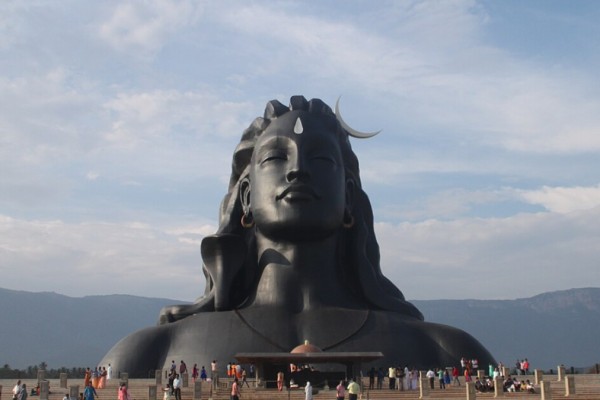
But why is Monday so important for Lord Shiva? The connection is in Hindu mythology, ancient traditions and spiritual beliefs.
1. The Connection Between Lord Shiva and the Moon
One of the strongest reasons for Monday’s spiritual significance is Lord Shiva’s connection to the Moon.
Related Articles


In Hindu art Lord Shiva is often shown with a crescent moon in his matted hair. He is also called Chandrashekhara (moon worshiper) and Someshwara (Moon Lord). These names denote his connection to the Moon.
Chandra (Moon God) was cursed by Daksha Prajapati once in Hindu mythology. Chandra prayed to Lord Shiva for help and he granted him protection and put the crescent moon on his head.
Since Monday is traditionally associated with the Moon devotees feel that it is especially suited for worshipping Lord Shiva.
Related Articles


2. The Spiritual Meaning of Somvar
The word Somvar is from Soma another name for the Moon. In Hindu spiritual traditions the Moon represents mind, emotions, peace and mental balance.
Lord Shiva is seen as the supreme force which helps devotees overcome restlessness, ego and negative thoughts.
Shiva is worshiped on Monday therefore so that mental peace, emotional stability and clarity are achieved. Devotees pray to Mahadev for strength to face life’s challenges and balance during difficult times.
3. The Significance of Somvar Vrat
Monday fast (Somvar Vrat) is an important religious practice among Shiva devotees.
Many people fast for happiness, prosperity, good health and blessings for their families. Unmarried women traditionally observe 16 consecutive Monday fasts (Solah Somvar Vrat) with the hope that Lord Shiva will bless them with a suitable life partner and happy married life.
Married devotees also fast for family welfare and marital happiness.
Fasting is not only a religious act but also self-discipline, devotion and control over desires.
4. The Importance of Water and Milk Offerings
Monday worship of Lord Shiva usually involves Abhishekam (bathing the Shiva Lingam).
Devotees offer water, milk, honey, curd and other traditional substances according to their customs. Bilva leaves flowers and fruits are also offered during prayers.
Water is pure and devotion; milk is peace and auspiciousness.
The ritual is performed because sincere prayers and offerings please Lord Shiva. Hindu traditions say however that genuine devotion and a pure heart are more important than expensive offerings.
5. Lord Shiva and the Samudra Manthan
Another important story associated with Lord Shiva is Samudra Manthan or churning of cosmic ocean.
Halahala (poison) was the result of churning according to Hindu mythology. It threatened creation and Lord Shiva consumed it and held it in his throat so that creation would not be harmed.
His throat turned blue and he was given the name Neelkanth.
This is not the historical reason why Monday is associated with Shiva but it shows that he is a protector who sacrifices himself for the welfare of the universe.
6. How Devotees Worship Lord Shiva on Monday
Devotees perform the following traditional practices on Somvar:
- Wake up early and take bath before starting prayers.
- Visit a Shiva temple or worship at home.
- Offer water and milk to the Shiva Lingam.
- Offer Bilva leaves and flowers.
- Chant the mantra 'Om Namah Shivaya'.
- Read or listen to Shiva-related prayers and stories.
- Fast according to your capacity and tradition.
These practices are meant to strengthen faith, discipline devotees and bring them closer to Mahadev.
Conclusion
Monday is spiritually significant for Lord Shiva because of the Moon connection, Somvar in Hindu traditions and devotional practices by millions of devotees.
For Shiva worshippers Somvar is not just another weekday. It’s a time to find inner peace, practise self-discipline and strengthen their bond with Mahadev. In the end Hindu spiritual traditions say sincere devotion, compassion and a pure heart are among the most meaningful ways to worship Lord Shiva.




Comments 0