
Tulsi is a plant that has a special place in Hindu culture and religion. Also called holy basil it grows in many Indian homes and is worshipped as sacred plant. Hindu families have used Tulsi in their daily prayers and religious rituals for generations.
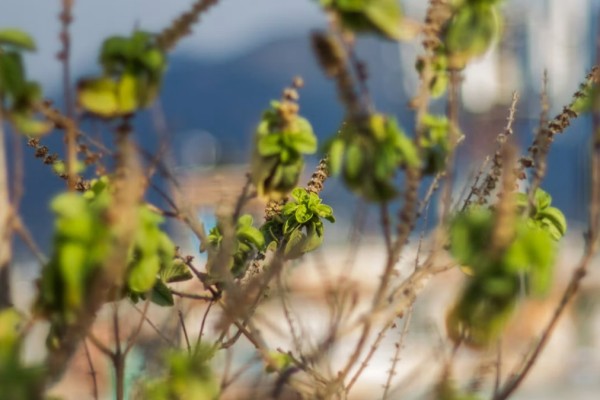
Tulsi is not just a religious symbol but also used for its traditional uses in Ayurveda. People believe that keeping Tulsi plant at home brings positivity, peace and good fortune. Its association with Goddess Lakshmi and Lord Vishnu makes it even more important in Hindu tradition.
Here are some reasons why the Tulsi plant is sacred in Hinduism:
Related Articles


1. Connection with Goddess Lakshmi
In Hindu religion, the Tulsi plant is associated with Goddess Lakshmi who is worshipped as the goddess of wealth, prosperity and good fortune.
Devotees think that worshipping Tulsi brings happiness, peace and prosperity into the household. The plant is kept in a special place of the home where family members pour water on it, light lamps and pray.
This tradition shows the importance of Tulsi in everyday Hindu religious life.
Related Articles


2. Sacred Connection with Lord Vishnu
Tulsi is especially sacred to Lord Vishnu and all of his forms (Lord Krishna). Hindu devotees traditionally offer Tulsi leaves during prayers and religious ceremonies for these deities.
Tulsi leaves are also an important offering during worship of Lord Vishnu. Many people believe that prayers offered with Tulsi leaves have special religious significance.
In several Hindu households Tulsi leaves are included in daily worship as a symbol of devotion and purity.
3. Religious Story Behind the Tulsi Plant
Hindu mythology has several stories explaining the religious significance of Tulsi. One popular one is about a woman named Vrinda who was very devoted to Lord Vishnu.
In the traditional story Vrinda was transformed into Tulsi plant and Lord Vishnu blessed her saying that Tulsi will have a special place in his worship.
This is one reason why Tulsi is associated with Lord Vishnu and why its leaves are used in many Hindu rituals.
4. Importance of Tulsi Vivah
Tulsi Vivah is an important Hindu festival celebrating the symbolic marriage of Tulsi plant with Lord Vishnu (Shaligram).
The festival is generally celebrated during Hindu month Kartik (exact date depends on traditional calendar).
On this day devotees decorate the Tulsi plant with flowers, colourful clothes and ornaments. Prayers and rituals are performed and many families celebrate it with traditional ceremonies.
Tulsi Vivah is also a time in the Hindu religious calendar because it is traditionally associated with the beginning of wedding season.
5. Traditional Health and Medicinal Importance
Besides being a religious herb, Tulsi is also used in traditional Indian medicine (Ayurveda).
Its leaves have been traditionally used in home remedies for coughs, colds and minor throat discomfort. Tulsi contains natural plant compounds which have been studied for antioxidant and other biological activities.
Traditional uses should not be used as a replacement for medical treatment. People with health problems or taking regular medication should consult their doctor before using Tulsi supplements or concentrated preparations.
Why Do Many Indian Families Keep Tulsi Plants at Home?
Tulsi plant at home is a tradition in many Hindu families. It is kept in courtyard/balcony or some other place where worship is done daily.
Family members water the plant in the morning and light a diya near it during evening prayers. These are acts of faith, devotion and respect for nature.
The tradition also teaches people how to care for plants and connect with nature in everyday life.
Conclusion
Tulsi has a special place in Hinduism because it is associated with Goddess Lakshmi, Lord Vishnu and several religious traditions. From daily prayers to Tulsi Vivah (tulsi marriage) it is part of Hindu households everywhere.
Apart from religious beliefs, Tulsi is also important for its traditional medicinal uses and cultural significance. For many families the plant stands for devotion, purity, prosperity and respect for nature.




Comments 0