
Dhanteras is associated with buying gold, silver jewellery and new household items. Many families also worship Goddess Lakshmi and Lord Dhanvantari for prosperity good health and happiness. But there is another important tradition observed on this day which is less talked about. It is Yama Deepam or Yamadeep Daan.
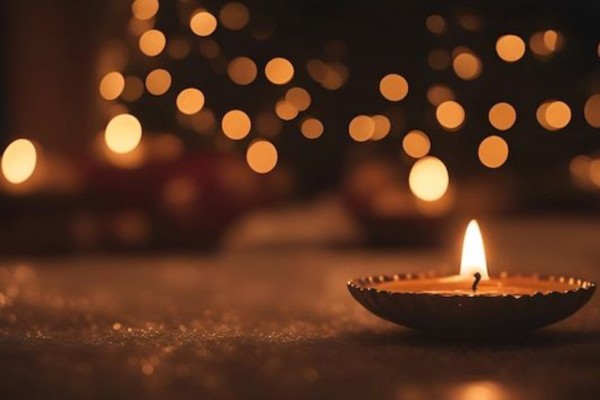
The ritual involves lighting an earthen lamp in honour of Lord Yama (Hindu deity of death and Dharma). Devotees traditionally perform this ritual to pray for protection from untimely death, good health and long life of their family members.
Yama Deepam reminds us that prosperity is not just about money. Health, safety and well being of loved ones are also important.
Related Articles
What Is Yama Deepam?
Yama Deepam (Yamadeep Daan or Deepdan for Yamraj) is a traditional Hindu ritual performed on Dhanteras (also known as Dhantrayodashi).
Devotees light an earthen diya outside the main entrance of their homes during this observance and offer prayers to Lord Yama. In many traditions, lamp is placed facing south because south direction is associated with deity.
The ritual is usually performed in the evening (around sunset) or during Pradosh.
Related Articles


Offering a lamp to Lord Yama is said to protect the household from Akal Mrityu (Sanskrit for untimely death). Prayers are also made for health, safety and longevity of family members.
Why Is a Diya Lit for Lord Yama on Dhanteras?
Dhanteras is generally linked to Goddess Lakshmi and worship of wealth and prosperity. Yama Deepam, on the other hand, is about another aspect of life.
In Hindu tradition Lord Yama is the deity who rules death and Dharma. The offering of a lamp is linked to prayers for his blessings and protection from untimely death.
The tradition is also related to references in Skanda Purana which speaks of offering a lamp outside the home on evening of Kartik Krishna Trayodashi.
The diya is placed facing south because in Hindu tradition the southern direction is associated with Lord Yama.
Lakshmi Puja is about prosperity and abundance but Yama Deepam is a prayer for life, health and protection of loved ones.
The Story Behind Yama Deepam: King Hima's Son
The ritual is usually associated with a folk tale of King Hima and his son.
In the popular Dhanteras legend, the king’s son was prophesied to die on the fourth day after his marriage because of snakebite.
His wife found out about the prediction and decided to protect him. On the night when the predicted event was supposed to take place she gathered gold and silver ornaments and lamps and placed them near the entrance of their room.
She also kept her husband awake by singing songs and telling stories.
Lord Yama came in serpent form. The bright lamps and the shining ornaments did not allow him to enter easily. He was said to be outside listening to wife’s songs and stories till morning.
Daylight came, the time was up and the prince was saved.
The story is traditionally associated with the belief that lighting lamps on Dhanteras will save family members from untimely death. It also shows devotion, courage and determination of the prince’s wife.
Yama Deepam 2026: Date and Auspicious Timing
In 2026, Dhanteras and Yama Deepam will be celebrated on Friday, November 6.
The Yama Deepam evening muhurat is given in the New Delhi Panchang as:
- Date: Friday, November 6, 2026
- Yama Deepam Sayan Sandhya: 5:33 PM to 6:51 PM
- Trayodashi Tithi begins: 10:30 AM on November 6
- Trayodashi Tithi ends: 10:47 AM on November 7
These timings are based on New Delhi Panchang. The exact muhurat will depend upon city and local sunset time. Devotees should check their regional Panchang before performing the ritual.
How to Perform Yama Deepam at Home
Yama Deepam is generally performed through a simple lamp-lighting ritual. Families may follow slightly different customs according to their region and household traditions.
The commonly followed steps include:
1. Prepare an earthen diya
Take a clean clay lamp and fill it with sesame oil or mustard oil. Put cotton wick inside the lamp. In some traditions they use four-wick lamp (Chaumukhi Diya).
2. Clean the entrance of the house
Clean the area outside main entrance where the lamp will be placed. Some families also decorate the entrance with rangoli.
3. Light the diya during the evening
Light the earthen lamp during the prescribed Yama Deepam muhurat (usually around sunset).
4. Place the lamp facing south
In Hindu tradition the diya is placed outside the main entrance with flame facing south (direction of Lord Yama).
5. Offer prayers
Fold your hands and pray for the health, safety and long life of your family members. Some devotees chant traditional prayers and mantras for Lord Yama as well.
The ritual is usually done with devotion and simplicity rather than elaborate arrangements.
Which Mantras Can Be Chanted During Yama Deepam?
During the ritual, devotees can pray for protection, well-being and freedom from fear.
Devotees chant Mahamrityunjaya Mantra when they seek blessings for health and protection. Some also recite Kaal Bhairav Ashtakam as part of their spiritual practice.
The choice of prayer will depend on family tradition as well as personal belief.
What Is the Spiritual Meaning of Yama Deepam?
The deeper message of Yama Deepam is not about lighting a lamp.
Dhanteras celebrations are about wealth, gold and material prosperity. Yama Deepam gives another angle by telling people to value life, health and relationships.
The ritual reminds devotees that financial prosperity is not everything. Good health, family time and loved ones’ well-being are also important.
For many households the diya is a sign of thanks and prayer for protection. It also signals the beginning of Diwali celebrations with a moment of reflection.
Yama Deepam therefore occupies a special place in Dhanteras traditions. The ritual is religious but its message is simple: live life, love your family and never take good health for granted.




Comments 0